
Sign up to save your podcasts
Or

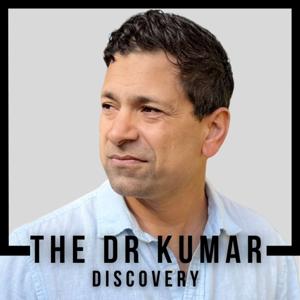


PTSD is often misunderstood as a malfunction; in reality, it is a survival system working exactly as intended, just in the wrong environment.
In this episode of The Dr. Kumar Discovery, Dr. Ravi Kumar sits down with Dr. Trey Tippens, a clinical psychologist and former Army Sergeant who treated severe trauma cases at Walter Reed National Military Medical Center. They reframe PTSD not as a sign of being "broken," but as a learned survival process that keeps individuals alive in dangerous environments but becomes maladaptive back at home.
The discussion explores the "Shattered Assumptions" model—explaining why some develop PTSD while others don't—and dives into the mechanics of recovery. From gold-standard talk therapies to innovative medical interventions, they outline the path toward reclaiming a sense of safety.
What You’ll Learn:
Dr. Trey Tippens is a former Sergeant and Walter Reed-trained psychologist who specializes in military culture and trauma recovery. He has spent years helping people move from being defined by their trauma to having control over their future.
If you enjoyed this episode, make sure to subscribe, rate, and review it on Apple Podcasts, Spotify, and YouTube Podcasts. Instructions on how to do so are here.
Episode Highlights:
[00:00:27] Reframing trauma symptoms as adaptive tools used in the wrong context.
[00:03:21] Dr. Tippens' journey from the field artillery to Walter Reed.
[00:06:55] Understanding it as a learned process from threatening environments.
[00:08:44] Why war-zone behaviors like "scanning for IEDs" fail to fit a home environment?
[00:10:48] How early trauma shapes a person's fundamental worldview and sense of security?
[00:12:35] Exploring the delta between the world we expect and the reality we discover.
[00:15:17] The reality of hyperarousal and the instinctual "patrols" of one's own home.
[00:19:34] A breakdown of Prolonged Exposure (PE) and Cognitive Processing Therapy (CPT).
[00:27:01] Using bilateral stimulation to desensitize the brain to traumatic memories.
[00:31:28] A physical procedure to temporarily "break" the hyperarousal scale.
[00:37:05] The clinical potential of MDMA and Psilocybin and the challenge of "blinding" studies.
[00:41:40] How trauma is transmitted through biology and childhood modeling?
[00:45:32] Moving beyond being a victim to finding "steel in the soul."
Episode Resources:
Why does a car backfire send some people into a full combat response?
Tomorrow on the Dr. Kumar Discovery Podcast, we explore the neurological "filing system" of trauma with military psychologist Dr. Norman "Trey" Tippens.
In this sneak preview, we discuss the "Gold Standard" treatments—Prolonged Exposure, CPT, and EMDR—and why they often fail due to the intense courage required to relive worst-case memories. Dr. Tippens explains how the brain keeps traumatic memories in "front-of-line storage" and how we can finally move that story into long-term memory.
We also dive into:
The full episode drops tomorrow.
If you or someone you love is stuck in the cycle of hyperarousal, tune in to learn how those alarm bells can finally be turned off.
Follow the show in your favorite app to be notified the moment the full interview goes live.
"But my doctor said my levels were normal..."
In this follow-up Q&A to our deep dive on Magnesium, Dr. Ravi Kumar answers the five most-asked questions from the community. If you’ve ever stared at a shelf of 10 different magnesium types or wondered why your "normal" blood test hasn't fixed your symptoms, this episode is for you.
In this episode, we cover:
Stop guessing and start optimizing.
If you are one of the nearly 50% of people not getting enough of this "master mineral," the right form could be the missing link in your health journey.
Magnesium is one of the most critical minerals in human biology yet it’s also one of the most overlooked.
In this episode of The Dr. Kumar Discovery, Dr. Ravi Kumar takes a deep, evidence-based look at magnesium deficiency, a condition that may affect nearly half the population while going largely undetected.
Magnesium plays a foundational role in over 300 enzymatic reactions in the body. It is essential for ATP production (your body’s core energy currency), neurotransmitter synthesis, muscle contraction, heart rhythm regulation, and blood pressure control. In many ways, it sits at the center of how your body produces energy, manages stress, and maintains internal balance.
Despite its importance, modern life has created the perfect conditions for widespread deficiency.
Dr. Kumar explains how industrial agriculture has depleted magnesium levels in soil over the past several decades, reducing the mineral content of the foods we rely on. At the same time, food processing strips away additional nutrients, while chronic stress, poor sleep, and high caffeine intake further deplete magnesium stores within the body.
One of the most important insights from this episode is that standard blood tests are not reliable indicators of magnesium status. Because only a small percentage of magnesium is found in the bloodstream, normal lab values can mask a deeper, systemic deficiency at the cellular level.
Instead, Dr. Kumar highlights a more practical approach - recognizing patterns of symptoms such as fatigue, muscle cramps, poor sleep, anxiety, and irritability, and using targeted supplementation as both a therapeutic and diagnostic tool.
Finally, the episode provides a clear framework for supplementation, including dosing strategies, timing considerations, and important interactions with medications such as antibiotics, thyroid drugs, and calcium supplements.
The takeaway is simple but powerful: magnesium is not just another supplement, it’s a foundational nutrient that your biology depends on. And in a world where deficiency is increasingly common, understanding how to restore optimal levels may be one of the most impactful steps you can take for your long-term health.
What You’ll Learn:
If you enjoyed this episode, make sure to subscribe, rate, and review it on Apple Podcasts, Spotify, and YouTube Podcasts. Instructions on how to do so are here.
Episode Highlights:
Episode Resources:
Think your multivitamin has you covered? Think again. In this preview for tomorrow’s main episode, Dr. Ravi Kumar reveals the "cheap trick" supplement companies use that leaves 48% of Americans deficient in magnesium—even if they take a pill every single day.
If you’ve been feeling wired, anxious, or perpetually tired despite "doing all the right things," the answer might be printed on the back of your supplement bottle in tiny letters. Dr. Kumar explains why Magnesium Oxide is essentially a placebo and why your body is physically unable to use the energy it creates (ATP) without the right form of this mineral.
In this preview, you’ll learn:
Coming Tomorrow:
The full episode of The Doctor Kumar Discovery drops this Tuesday! We’re diving deep into the "silent deficiency" that standard blood tests miss, the clinical evidence for magnesium in blood pressure and sleep, and a step-by-step framework to choose the exact dosage for your body’s needs.
Subscribe and hit the notification bell so you don't miss the full episode coming tomorrow.
For over 60 years, the United States Agency for International Development (USAID) served as a cornerstone of American foreign policy and a global leader in public health, operating in over 130 countries. However, as of January 2025, the agency was essentially shut down, marking a radical shift in U.S. global engagement.
In this episode, Dr. Ravi Kumar is joined by Keith Hourihan, an expert with nearly 20 years of experience in international audit, compliance, and fraud investigations. Having conducted audits in over 45 countries, Keith provides an "insider's view" of the organization that managed the single largest investment in global health aid in history.
The conversation spans the high-stakes world of international development, from the life-saving impact of programs like PEPFAR, which put 20 million people on HIV treatment, to the gritty reality of investigating "Signature Markets" where forged PhDs and government documents are sold on the roadside. They address the primary criticisms that led to the agency's closure: allegations of systemic fraud, waste, and abuse. Keith reveals that while fraud existed, it often constituted a "tiny fraction" of the budget and was frequently caught by the very controls critics claimed were non-existent.
Finally, the episode compares the $23 billion annual USAID budget to the $93.4 billion spent by the Pentagon in a single month, raising a critical question: If "waste" is the metric for elimination, are we applying that standard consistently across the federal government?
What You’ll Learn:
Episode Highlights:
Episode Resources:
GLP-1 receptor agonists have rapidly become some of the most talked-about medications in modern medicine, offering something that once seemed unattainable: significant, sustained weight loss without surgery.
In this episode of The Dr. Kumar Discovery, Dr. Ravi Kumar takes a deep, evidence-based look at these drugs, unpacking both their promise and their limitations.
The story of GLP-1 drugs spans over a century, from early observations about gut hormones in the early 1900s to the discovery of incretins, and eventually to modern compounds like semaglutide. These medications were engineered to mimic a natural hormone that regulates blood sugar, slows gastric emptying, and signals fullness to the brain.
Dr. Kumar explains how GLP-1 agonists work at a neurological level, targeting appetite centers in the hypothalamus to reduce hunger and quiet food cravings. Unlike traditional dieting, which relies heavily on willpower, these drugs change the biological signals driving eating behavior.
But the benefits come with important tradeoffs.
One of the most critical and often overlooked realities is that a significant portion of weight loss from GLP-1 drugs comes from lean mass, including muscle. Estimates suggest that 25–40% of the weight lost may be muscle, which has major implications for long-term metabolic health, strength, and aging - especially in older populations.
The episode also explores how the body adapts to these drugs. While some effects, like delayed gastric emptying, diminish over time (reducing side effects like nausea), others, such as appetite suppression and glucose regulation, remain effective without requiring continuous dose escalation.
From there, Dr. Kumar reframes how these medications should be used.
Rather than viewing GLP-1s as a standalone solution, he presents them as a tool - a bridge that can help patients initiate weight loss and regain metabolic control. But without intentional lifestyle changes, including resistance training, dietary improvements, and aerobic exercise, the benefits may not be sustainable after discontinuation.
The takeaway is clear: GLP-1 agonists are powerful, but they are not magic. Their true value lies in how they are used and whether they are paired with the behaviors that actually build long-term metabolic health.
What You’ll Learn:
If you enjoyed this episode, make sure to subscribe, rate, and review it on Apple Podcasts, Spotify, and YouTube Podcasts. Instructions on how to do so are here.
Episode Highlights:
[00:00:00] Why GLP-1 Drugs Are Being Called Game Changers
[00:03:00] The Obesity Crisis and Failure of Traditional Weight Loss
[00:05:00] The Fascinating 100-Year History Behind GLP-1
[00:08:00] Breakthrough Discovery from Gila Monster Venom
[00:10:00] How GLP-1 Drugs Actually Work in the Body
[00:12:00] Do These Drugs Stop Working Over Time?
[00:14:00] Real Results: Blood Sugar and Weight Loss Data
[00:16:00] Clinical Trial Results That Changed Medicine
[00:17:00] Beyond Weight Loss: Heart and Disease Benefits
[00:18:00] The Most Common and Serious Side Effects
[00:20:00] The Hidden Risk: Muscle Loss
[00:23:00] Comparing Ozempic, Wegovy, and Tirzepatide
[00:25:00] Can Lifestyle Changes Compete with GLP-1?
[00:29:00] Why These Drugs Work So Well Psychologically
[00:30:00] What Happens When You Stop Taking Them
[00:31:00] The Best Way to Use GLP-1 for Long-Term Success
[00:32:00] Who Should (and Shouldn’t) Take GLP-1 Drugs
[00:35:00] Microdosing GLP-1: Hype or Legit?
[00:36:00] Final Verdict: Are GLP-1 Drugs Worth It?
Episode Resources:
Glyphosate is the most widely used herbicide in modern agriculture and there’s a high probability it’s already in your body.
In this episode of The Dr. Kumar Discovery, Dr. Ravi Kumar takes a deep, evidence-based look at glyphosate, moving beyond headlines to examine its chemistry, history, biological mechanisms, and the growing debate around its safety.
The conversation begins with the fundamentals. Glyphosate works by blocking the shikimate pathway, a biological system plants use to produce essential amino acids. Because humans don’t possess this pathway, glyphosate was long considered biologically harmless to us.
But that assumption is now being challenged. While human cells lack the shikimate pathway, the bacteria in our gut microbiome rely on it. Dr. Kumar explains how glyphosate exposure may disrupt gut bacteria, potentially altering the production of amino acids like tryptophan, which plays a key role in neurotransmitter synthesis and overall metabolic health.
The episode then traces glyphosate’s rise, from a shelved chemical compound in the 1950s to a dominant agricultural tool after the introduction of genetically modified, glyphosate-resistant crops in the 1990s. Today, its use is deeply embedded in global food systems, with two major exposure pathways: direct application on GMO crops and pre-harvest desiccation on non-GMO grains like oats and wheat.
Dr. Kumar reviews data showing widespread presence of glyphosate residues in food and human biological samples, highlighting how modern dietary patterns may contribute to chronic low-level exposure.
From there, the discussion turns to health effects and scientific controversy. Regulatory agencies such as the EPA and EFSA classify glyphosate as unlikely to cause cancer when used as directed. In contrast, the World Health Organization’s cancer research arm classifies it as “probably carcinogenic,” based on evidence including links to non-Hodgkin lymphoma.
Dr. Kumar also examines the broader context - legal settlements, conflicting regulatory conclusions, and the economic dependence of modern agriculture on glyphosate. A recent U.S. policy decision to expand glyphosate production under the Defense Production Act underscores how public health, food security, and industry interests can collide.
The episode concludes with a practical framework. Rather than prescribing action, Dr. Kumar outlines ways individuals can reduce exposure, such as prioritizing organic foods for high-risk crops, reducing processed food intake, filtering water, and diversifying dietary sources.
What You’ll Learn:
If you enjoyed this episode, make sure to subscribe, rate, and review it on Apple Podcasts, Spotify, and YouTube Podcasts. Instructions on how to do so are here.
Episode Highlights:
[00:00:00] Intro
[00:01:12] What Glyphosate Is And How It Enters The Human Body
[00:03:50] The Biology Of Glyphosate And Its Impact On The Gut Microbiome
[00:05:21] The Surprising History Of Glyphosate From Chemical To Herbicide
[00:07:15] How Glyphosate Enters The Food Supply Through Crops And Desiccation
[00:10:13] The Science Debate: Cancer Risk, Microbiome, And Health Effects
[00:17:40] Government Policy, Personal Risk, And How To Reduce Exposure
[00:23:07] Practical Steps To Reduce Glyphosate Exposure And Final Takeaways
Episode Resources:
Light is more than illumination - it’s a biological signal that directly interacts with human physiology.
In this episode of The Dr. Kumar Discovery, Dr. Ravi Kumar speaks with Dr. Jason Rountree, an expert in clinical photobiomodulation, about how red and near-infrared light therapy influences cellular metabolism, inflammation, and tissue regeneration.
The conversation begins at the mitochondrial level, where specific wavelengths of light, particularly in the 650–1,064 nanometer range, are absorbed by cytochrome c oxidase within the electron transport chain. This interaction can increase ATP production, improve cellular signaling, and restore metabolic function in damaged or energy-depleted tissues.
Dr. Rountree explains how this mechanism has translated into clinical applications for chronic pain, musculoskeletal injuries, wound healing, and skin rejuvenation. By temporarily increasing nitric oxide release and improving microcirculation, photobiomodulation may accelerate tissue repair while reducing inflammation and pain signaling.
The discussion then expands into neurological applications. Transcranial photobiomodulation, which delivers near-infrared light through the skull, is being explored as a potential intervention for neurodegenerative diseases such as Alzheimer’s. Early research suggests that targeted light exposure may reduce neuroinflammation, improve cerebral blood flow, and enhance glymphatic clearance - mechanisms that support cognitive function and brain health.
Throughout the conversation, Dr. Rountree provides practical guidance on evaluating consumer devices. With many inexpensive products flooding the market, he explains how wavelength accuracy, energy density, and clinical testing determine whether a device delivers therapeutic results or simply expensive placebo.
At its core, this episode reframes light as a biological tool: one capable of modulating mitochondrial function, improving tissue resilience, and potentially reshaping how we approach chronic disease and recovery.
What You’ll Learn:
Dr. Jason Rountree is a chiropractor and clinical expert in photobiomodulation with extensive experience in laser therapy and regenerative medicine. He is a 2010 graduate of Logan College of Chiropractic and serves as the Clinic Director of Montana Laser and Medical Center, an integrative regenerative medicine clinic that performs more than 10,000 laser therapy treatments annually.
As the founder of the Laser Therapy Institute, he has trained hundreds of healthcare professionals in the clinical use of laser and light therapies, helping practitioners integrate photobiomodulation into evidence-based treatment protocols.
If you enjoyed this episode, make sure to subscribe, rate, and review it on Apple Podcasts, Spotify, and YouTube Podcasts. Instructions on how to do so are here.
Episode Highlights:
Episode Resources:
Creatine is the most researched performance supplement in human history, with over 500 peer-reviewed studies, yet most people are taking the wrong dose.
In this solo episode of The Dr Kumar Discovery, Dr. Ravi Kumar takes a deep dive into creatine, from its discovery in a French laboratory in 1832 to cutting-edge research on its role in brain health, methylation, and even Alzheimer’s disease. This episode goes far beyond the typical gym advice and explores why creatine is a foundational molecule for cellular energy in every tissue of your body, and why a one-size-fits-all dosing approach may be leaving significant benefits on the table.
In this episode, you will discover:
Key Takeaways
From the publisher's feed

8,527 Listeners

369,618 Listeners

3,602 Listeners
3,418 Listeners
9,148 Listeners

8,001 Listeners

29,204 Listeners

19,254 Listeners

18,063 Listeners

10,653 Listeners

12,486 Listeners
8,796 Listeners
1,186 Listeners

1,683 Listeners