
Sign up to save your podcasts
Or

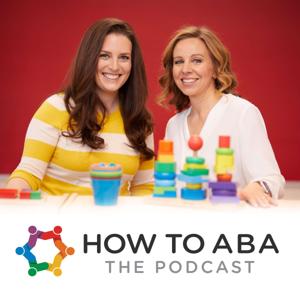
By Shira Karpel & Shayna Gaunt
We are Shira and Shayna and we are so excited to bring you our first podcast episode of How to ABA! We are both BCBAs with over twenty years of experience, and as you can imagine, we have created a
... more

4.7
5757 ratings


The podcast currently has 272 episodes available.
The most played episodes among Podcast App listeners.
As BCBAs, it can be tempting to step in, answer every question, and fix problems ourselves. We want to support our staff, protect our learners, and maintain high-quality services. But when we step in too quickly or too often, we can unintentionally create dependence instead of building confidence. We’re talking about how to shift from being the person with all the answers to becoming a coach who helps staff develop stronger clinical judgment. We explore why micromanaging can lead to supervisor burnout, fewer opportunities for staff to practice decision making, and less confidence when supervisors aren’t present. We also share ways to build independence by teaching the process behind clinical decisions, creating space for safe mistakes, asking reflective questions, and helping staff understand the principles behind protocols rather than simply following scripts. From debriefing after sessions to fading supervisor support and using behavioral skills training, the goal is to help staff think critically and confidently while still knowing when supervisor involvement is necessary. Strong supervision isn’t about always being there with the answer. It’s about building staff who can make thoughtful decisions when we’re not there. What’s Inside: How micromanaging can create staff dependence and supervisor burnoutCoaching strategies that strengthen clinical reasoning, reflection, and confidenceHow to fade support while maintaining appropriate supervision, safety, and ethical careMentioned in This Episode: Episode 133: The BST Model – Behavioral Skills Training The Future of ABA: Building Clinical Judgement and Compassion HowToABA.com/join How to ABA on YouTube Find us on Facebook Follow us on Instagram

Great ABA staff training is about more than teaching procedures. We want our teams to feel prepared, supported, and confident enough to think critically and make strong clinical decisions. Building that confidence takes time, practice, clear expectations, and ongoing coaching. We explore how Behavior Skills Training (BST) can guide staff development through instruction, modeling, practice, and feedback. Just like learning to ride a bike, watching someone else isn’t enough. Staff need opportunities to try skills themselves, make mistakes safely, reflect on their performance, and gradually become more independent. We also talk about creating psychological safety around questions, choosing experienced staff as models, and focusing feedback on what’s going well instead of only pointing out what needs improvement. Supervisors can build stronger clinicians by resisting the urge to immediately jump in with the answer and giving staff space to problem solve. When we pair technical training with reflection, curiosity, and meaningful encouragement, we help staff develop skills that last. That confidence can support staff retention, stronger clinical culture, future leadership, and ultimately better outcomes for learners. What’s Inside: Using BST, practice, and feedback to build staff competence and confidenceCreating psychological safety while encouraging questions, reflection, and problem solvingFading supervisor support to promote independence and stronger clinical decision-makingMentioned in This Episode: Episode 133: The BST Model – Behavioral Skills Training Guiding Your ABA Team: Staff Training that Builds Confidence CEU HowToABA.com/join How to ABA on YouTube Find us on Facebook Follow us on Instagram
When learners with ADHD and autism struggle with tasks, routines, or transitions, it can be easy to focus on the behaviors we see. But those behaviors are often only the tip of the iceberg. Instead of asking why a learner is not doing something, we can ask what might be getting in the way. We explore practical strategies for addressing skill deficits and reducing barriers at home and in the classroom. We discuss reducing response effort by breaking larger tasks into manageable pieces, making expectations visible through schedules and checklists, and supporting task initiation with behavioral momentum, transition warnings, and thoughtfully placed reinforcement. We also look at ways to explicitly teach transitions, reinforce small successes, and proactively offer meaningful choices that support autonomy and independence. Replacement skills are another essential piece, including communication, emotional regulation, problem solving, and self-advocacy. Finally, we consider how these supports can translate between school and home without expecting the systems to look identical. Our goal is to meet learners where they are while continuing to build the skills they need for greater independence and success. What’s Inside: Looking beneath observable behavior to identify skill deficits and barriersPractical supports for task initiation, transitions, routines, and independenceUsing reinforcement, choice, visuals, and replacement skills more effectivelyMentioned in This Episode: Episode 172: How to Teach Executive Functioning Skills Can’t Do or Won’t Do: A Systematic Way of Solving Behavior Challenges with Sasha Long Episode 065: How to Use Reinforcement Properly HowToABA.com/join How to ABA on YouTube Find us on Facebook Follow us on Instagram
When a learner struggles to complete work, follow directions, or stay engaged, it is easy to assume motivation is the problem. But what if the real barrier is a missing skill? We explore the difference between a learner who can't do something and one who won't do it, and why making that distinction is essential for effective, compassionate ABA practice. Using practical examples, we look at how attention, emotional regulation, executive functioning, and other foundational skills can be mistaken for motivation challenges. We also discuss the risks of relying on reinforcement alone when a learner does not yet have the skills needed to succeed. We share simple questions behavior analysts can ask before making assumptions, along with strategies for identifying skill deficits, evaluating environmental barriers, adjusting expectations, and teaching missing skills systematically. When we approach behavior with curiosity instead of judgment, we create interventions that are more effective, more compassionate, and better aligned with each learner's needs. It starts by asking one simple question: Is this really a motivation issue, or are we targeting the wrong thing? What’s Inside: Why "can't do" and "won't do" require different intervention strategiesQuestions to ask before assuming motivation is the problemPractical ways to identify and teach missing skillsMentioned in This Episode: Episode 172: How to Teach Executive Functioning Skills Can’t Do or Won’t Do: A Systematic Way of Solving Behavior Challenges with Sasha Long HowToABA.com/join How to ABA on YouTube Find us on Facebook Follow us on Instagram
What if the biggest obstacle to behavior change is not motivation at all? Executive functioning skills often influence how learners manage tasks, regulate emotions, transition between activities, and develop independence. Whether someone has autism, ADHD, anxiety, a learning disability, or no diagnosis, challenges with executive functioning can make everyday expectations much harder than they appear. We explore the core skills that make up executive functioning, including working memory, cognitive flexibility, inhibition, planning, task initiation, emotional regulation, and self-monitoring. We also discuss why these challenges are so often mistaken for noncompliance and how shifting our perspective can lead to more compassionate, effective support. From independent activity schedules and visual supports to environmental modifications and explicit skill teaching, we share practical strategies that help learners build these essential skills. We also introduce our Early Executive Functioning course, designed to help young children develop foundational executive functioning abilities through structured, developmentally appropriate activities. By focusing on the skills behind the behavior, we can create interventions that build lasting independence and meaningful progress. What’s Inside: Why executive functioning challenges are often mistaken for noncomplianceThe core executive functioning skills that influence behavior and learningPractical strategies to teach independence, flexibility, and task initiationMentioned in This Episode: Episode 172: How to Teach Executive Functioning Skills Early Executive Functioning Mastery Course HowToABA.com/join How to ABA on YouTube Find us on Facebook Follow us on Instagram
The podcast currently has 272 episodes available.
1,336 Listeners
627 Listeners

8,893 Listeners
421 Listeners

5,080 Listeners
438 Listeners

164,732 Listeners

25,870 Listeners
1,327 Listeners

15 Listeners

420 Listeners
86 Listeners

19,066 Listeners
28 Listeners

17 Listeners