
Sign up to save your podcasts
Or

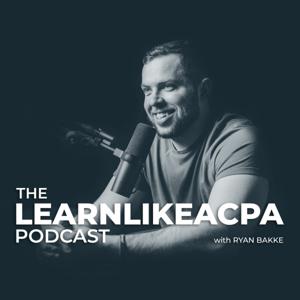


Ready to save $10k-$50k in taxes this year? Book a call here:
► https://taxstrategy365.com/pod-app
In this episode, I scaled my business from zero to $3 million through organic growth, but eventually, I felt like I hit a ceiling. That’s when I decided to acquire a $2.5 million accounting firm in Los Angeles. In this episode, I explain why I made that decision, how acquisition compares to building from scratch, and what shifted in my mindset over the past couple of years. I also share what I learned from evaluating both sides of the growth equation and why firm ownership started making more sense than it ever did before.
Timestamps:
00:00:00 Intro
00:00:50 Why I didn't buy a firm to hit $3M revenue
00:01:56 Visiting the LA firm and evaluating culture
00:02:51 Organic growth vs. acquisition: hitting a ceiling
00:04:14 The power of trust, organic reach, and changing market dynamics
00:05:29 Learning to see both sides: building vs. buying
00:07:46 Pros of acquisition: faster and more scalable
00:10:07 Building a real business vs. owning a high-paying job
00:12:54 Synergies and valuation uplift from acquisitions
00:14:40 Cost breakdown: paid ads vs. buying a firm
00:17:08 Hiring risks vs. acquiring established teams
00:18:08 Final thoughts on firm ownership and what’s next
Want me to answer your real estate questions? Come to my next Ask Me Anything Q&A:
► https://taxstrategy365.com/pod-ama
Let's connect!
► Instagram: https://www.instagram.com/ryanbakkecpa/
► LinkedIn: https://www.linkedin.com/in/ryanbakkecpa/
► Twitter: https://twitter.com/RyanBakkeCPA
► Facebook: https://www.facebook.com/ryanbakkecpa
► TikTok: https://www.tiktok.com/@ryanbakkecpa
*None of this is meant to be specific investment advice, it's for entertainment purposes only.
Ready to save $10k-$50k in taxes this year? Book a call here:
► https://taxstrategy365.com/pod-app
In this episode, I break down how I analyze real estate deals using patterns, historical percentages, and what I call “return on hassle.” I share a story about a 16-unit property I almost bought to retire my mom and how a mentor helped me realize it wouldn’t work—just by looking at the percentages. I go deep into operating expense ratios, debt service thresholds, and how to factor in time and risk. I also touch on contracts, financing contingencies, and why I only move on deals that match my strike zone.
Timestamps:
00:00:00 Intro – why percentages never lie
00:00:50 The 16-unit deal I almost bought to retire my mom
00:02:15 Bringing in a mentor to review the numbers
00:03:28 Learning to read patterns in properties and people
00:04:11 Scarface quote and the power of percentages
00:05:46 Ted Williams and only swinging at your pitch
00:08:13 Applying the strike zone concept to investing
00:09:14 Long-term rental analysis: revenue, OPEX, debt
00:11:45 Utility setups and checking meters on multifamily
00:13:54 Margin of error and padding your projections
00:14:42 Short-term rental rules and the 15% revenue test
00:16:16 Sneaky data hacks: talking to local co-hosts
00:18:29 Evaluating money down vs. ROI on interest savings
00:20:50 Guaranteed returns and the “return on hassle” concept
00:23:00 FHA vs. conventional loan and PMI traps
00:27:54 Why you must revisit the numbers at month 16
00:29:04 Diagnosing why a deal is underperforming
00:31:08 Pattern recognition and IRS fraud flags
00:33:40 What’s included in operating expenses?
00:36:28 Community, status, and why people never downgrade
00:39:53 Appreciation markets vs. cash flow plays
00:41:33 Writing contracts with flexibility: “and/or assign”
00:44:05 Laying out all the skunks as a seller
00:46:02 Contingencies: inspection, appraisal, financing, permits
00:51:04 Buying the LLC to preserve STR permits
00:54:20 DSCR strategy and using interest rate leverage
00:56:05 Only swing at your pitch and know your advantage
00:58:16 Speed, trust, and recognizing patterns in people
01:00:32 Final thoughts and the value of knowing your safety net
Want me to answer your real estate questions? Come to my next Ask Me Anything Q&A:
► https://taxstrategy365.com/pod-ama
Let's connect!
► Instagram: https://www.instagram.com/ryanbakkecpa/
► LinkedIn: https://www.linkedin.com/in/ryanbakkecpa/
► Twitter: https://twitter.com/RyanBakkeCPA
► Facebook: https://www.facebook.com/ryanbakkecpa
► TikTok: https://www.tiktok.com/@ryanbakkecpa
*None of this is meant to be specific investment advice, it's for entertainment purposes only.
Ready to save $10k-$50k in taxes this year? Book a call here:
► https://taxstrategy365.com/pod-app
In this episode, after leaving Deloitte at 23, I set out to help people who were the first in their families to build wealth. Three years later, I’m running two CPA firms with nearly 800 clients and reflecting on how much can change in just one trip around the sun. In this episode, I talk about the lessons that made me feel ten years wiser—lessons I picked up from mentors, clients, and experiences that pushed me to grow. I get into why urgency, focus, and being able to see both sides of an argument have been game changers for me.
Timestamps:
00:00:00 Intro and why I left Deloitte at 23
00:00:32 From quitting corporate to owning two CPA firms
00:01:25 Why I feel 10 years wiser in one year
00:01:58 The meaning of “standing on the shoulders of giants”
00:03:20 Investing in mentors and what it’s really worth
00:04:24 Henry Ford, Thomas Edison, and learning from the top 0.3%
00:06:32 Why in-person learning beats Zoom
00:07:26 Joining Perry Belcher’s mastermind and doubling my business
00:08:10 Acquiring a Beverly Hills CPA firm
00:09:07 Traits of high-net-worth individuals
00:10:43 The power of urgency and Parkinson’s Law
00:12:16 Doing one thing exceptionally well
00:13:32 The value of seeing both sides of an argument
00:17:47 Overpriced vs. overkill: a pricing misconception
00:20:38 What I learned from Robert Greene about storytelling
00:23:32 Final reflection on growing wiser year over year
Want me to answer your real estate questions? Come to my next Ask Me Anything Q&A:
► https://taxstrategy365.com/pod-ama
Let's connect!
► Instagram: https://www.instagram.com/ryanbakkecpa/
► LinkedIn: https://www.linkedin.com/in/ryanbakkecpa/
► Twitter: https://twitter.com/RyanBakkeCPA
► Facebook: https://www.facebook.com/ryanbakkecpa
► TikTok: https://www.tiktok.com/@ryanbakkecpa
*None of this is meant to be specific investment advice, it's for entertainment purposes only.
Ready to save $10k-$50k in taxes this year? Book a call here:
► https://taxstrategy365.com/pod-app
In this episode, I dive into some of the most common tax questions I get from my communities, including how to properly report rental days for short-term rentals, the pros and cons of doing a cost segregation study, and how bonus depreciation really works. I also talk about when it makes sense to hire a CPA versus a tax strategist and explain the differences between the two. With examples from real clients and situations I’ve seen firsthand, I break down complex topics into practical insights.
Timestamps:
00:00:00 Intro
00:00:29 Communities I pull questions from
00:01:00 STR rental days – actual vs. available
00:02:12 Impact on deductions and personal use days
00:03:53 Lending implications of incorrect rental day reporting
00:04:33 Cost segregation vs. not doing it
00:05:36 Bonus depreciation explained
00:06:24 1031 exchange considerations and deadlines
00:07:51 Alternatives to 1031 exchanges
00:08:36 When to hire a CPA vs. a tax strategist
00:09:41 What tax strategists do differently
00:10:41 CPA vs. strategist – two skill sets
00:11:13 Why multiple businesses and properties need strategy
00:12:07 Outro
Want me to answer your real estate questions? Come to my next Ask Me Anything Q&A:
► https://taxstrategy365.com/pod-ama
Let's connect!
► Instagram: https://www.instagram.com/ryanbakkecpa/
► LinkedIn: https://www.linkedin.com/in/ryanbakkecpa/
► Twitter: https://twitter.com/RyanBakkeCPA
► Facebook: https://www.facebook.com/ryanbakkecpa
► TikTok: https://www.tiktok.com/@ryanbakkecpa
*None of this is meant to be specific investment advice, it's for entertainment purposes only.
Ready to save $10k-$50k in taxes this year? Book a call here:
► https://taxstrategy365.com/pod-app
In this episode from the ATL Real Estate Conference, I share how I went from failing senior year math to becoming the youngest CPA in Illinois. I walk through the tax strategies I use with real estate investors, like cost segregation, depreciation, and how to take advantage of the short-term rental loophole. I also talk about mindset, making smart investment decisions, and avoiding common tax mistakes. Throughout the session, I share real examples and lessons from my own journey and client experiences.
Timestamps:
00:00:00 Intro
00:00:30 Writing your own story & becoming a CPA after failing math
00:01:45 Lessons from working at a pizza place
00:03:00 Working at Deloitte & shifting focus to helping everyday investors
00:04:05 First property purchase story and seller concessions
00:05:01 Psychology of loss and walking away from a Deloitte bonus
00:06:32 What you stand to gain vs. lose
00:07:13 Three biggest killers of wealth: taxes, inflation, indecision
00:08:21 Commonly missed tax deductions
00:09:26 Power of depreciation explained
00:10:52 Boosting cash-on-cash returns with cost segregation
00:12:33 Using losses to offset income from other sources
00:13:29 Personal tax return breakdown and tax strategy
00:15:13 Short-term rental loophole & qualifying tests
00:17:33 Real-life client success example
00:20:11 Net worth assessment and investing strategies by stage
00:22:40 Live-in flip and tax-free gains strategy
00:25:03 Rules for converting primary to rental
00:26:24 Cash-out refi vs. selling appreciated properties
00:27:00 Seller financing explained with real examples
00:30:46 Income shifting and Roth IRA strategy for kids
00:32:20 Never hold rentals in a corporation
00:32:50 The "Catch Me If You Can" mentorship analogy
00:33:53 Closing remarks
Want me to answer your real estate questions? Come to my next Ask Me Anything Q&A:
► https://taxstrategy365.com/pod-ama
Let's connect!
► Instagram: https://www.instagram.com/ryanbakkecpa/
► LinkedIn: https://www.linkedin.com/in/ryanbakkecpa/
► Twitter: https://twitter.com/RyanBakkeCPA
► Facebook: https://www.facebook.com/ryanbakkecpa
► TikTok: https://www.tiktok.com/@ryanbakkecpa
*None of this is meant to be specific investment advice, it's for entertainment purposes only.
Ready to save $10k-$50k in taxes this year? Book a call here:
► https://taxstrategy365.com/pod-app
In this episode, I break down the differences between filing jointly and filing separately as a married couple. I go through real scenarios where filing separately can actually lead to better outcomes, especially when it comes to student loans, tax credits, and mortgage approvals. I explain how combining income can sometimes push you out of eligibility for certain benefits, and how separating returns might help reduce payments or qualify for better financing. I also touch on the trade-offs like higher tax brackets and added complexity that come with filing separately.
Timestamps:
00:00:00 Intro
00:00:39 When Filing Separately Saves More
00:01:26 Tax Credits and Deductions Overview
00:02:10 Real Example: Education Credit Eligibility
00:03:11 Using Software to Compare Filing Status
00:04:25 Student Loans and Income-Driven Repayment Plans
00:05:48 How Filing Separately Reduces Student Loan Payments
00:06:28 Mortgage Approval and Debt-to-Income Strategy
00:07:48 Real Estate and Loan Structuring Tips
00:09:00 Downsides of Filing Separately
00:10:00 Decision Framework for Filing Status
00:10:49 Real-World Case: Buying a Home with High Student Debt
00:11:25 Conclusion
Want me to answer your real estate questions? Come to my next Ask Me Anything Q&A:
► https://taxstrategy365.com/pod-ama
Let's connect!
► Instagram: https://www.instagram.com/ryanbakkecpa/
► LinkedIn: https://www.linkedin.com/in/ryanbakkecpa/
► Twitter: https://twitter.com/RyanBakkeCPA
► Facebook: https://www.facebook.com/ryanbakkecpa
► TikTok: https://www.tiktok.com/@ryanbakkecpa
*None of this is meant to be specific investment advice, it's for entertainment purposes only.
Ready to save $10k-$50k in taxes this year? Book a call here:
► https://taxstrategy365.com/pod-app
In this episode, I answer real estate and tax questions from members of my RE Tax Prep and Tax Strategy 365 communities. I talk through the differences between DSCR and second home loans, and how they impact your tax situation and future financing options. I also explain how land-to-structure ratios affect depreciation and why location matters for tax benefits. Finally, I go over common mistakes investors make with LLC structuring and why it’s important to get it right from the start.
Timestamps:
00:00:00 Intro
00:00:40 First STR: DSCR vs. Second Home Loans
00:01:53 Understanding Tax Benefits Regardless of Loan Type
00:03:13 Thinking Two to Three Deals Ahead
00:05:11 Long-Term Strategy and Career Analogy
00:06:09 Why Net Worth Doesn’t Guarantee Loan Approval
00:07:45 Evaluating Depreciation by State and County
00:09:51 Using Assessor Sites to Understand Land vs. Building Value
00:11:19 Tax Benefits of Condos, Townhomes, and Different Markets
00:12:35 Entity Structuring: Single vs. Multi-Member LLCs
00:13:58 Pitfalls of Aggressive Legal Structures
00:15:31 Closing Remarks
Want me to answer your real estate questions? Come to my next Ask Me Anything Q&A:
► https://taxstrategy365.com/pod-ama
Let's connect!
► Instagram: https://www.instagram.com/ryanbakkecpa/
► LinkedIn: https://www.linkedin.com/in/ryanbakkecpa/
► Twitter: https://twitter.com/RyanBakkeCPA
► Facebook: https://www.facebook.com/ryanbakkecpa
► TikTok: https://www.tiktok.com/@ryanbakkecpa
*None of this is meant to be specific investment advice, it's for entertainment purposes only.
Ready to save $10k-$50k in taxes this year? Book a call here:
► https://taxstrategy365.com/pod-app
If a real estate contract doesn’t have the right protections, you can end up overpaying, losing your deposit, or getting stuck with costly repairs. In this episode, I walk through the six key clauses I use in every deal to make sure I'm protected—no matter what market I’m in. I cover things like inspection contingencies, appraisal gaps, financing terms, permit and license transfers, and the “and/or assign” clause. I also share a few stories from my own deals where these clauses saved me thousands.
Timestamps:
00:00:00 Intro
00:00:27 Why contracts can make or break your deal
00:01:11 Understanding buyer vs. seller markets
00:02:13 How market conditions impact your negotiation leverage
00:03:14 Strategy if you're a buyer
00:04:13 Strategy if you're a seller
00:05:26 Inspection contingency explained
00:07:32 Real-world example: tree roots and sewer damage
00:08:01 Appraisal contingency breakdown
00:10:02 What is an appraisal gap and how to handle it
00:10:36 Financing contingency and rising interest rates
00:11:52 DSCR example and renegotiating purchase price
00:13:10 Why financing contingencies are critical
00:13:50 Permit and license transfer contingency
00:15:57 STR regulation example from Hot Springs, AR
00:16:19 Why this matters in regulated or urban markets
00:17:15 Assignment clause and “and/or assign” contracts
00:18:08 Contingency checklist for real estate deals
Want me to answer your real estate questions? Come to my next Ask Me Anything Q&A:
► https://taxstrategy365.com/pod-ama
Let's connect!
► Instagram: https://www.instagram.com/ryanbakkecpa/
► LinkedIn: https://www.linkedin.com/in/ryanbakkecpa/
► Twitter: https://twitter.com/RyanBakkeCPA
► Facebook: https://www.facebook.com/ryanbakkecpa
► TikTok: https://www.tiktok.com/@ryanbakkecpa
*None of this is meant to be specific investment advice, it's for entertainment purposes only.
Join my Facebook group, Tax Strategies for Real Estate Investors, and become part of a community with 11,500+ high-level real estate investors
► Join here: https://www.facebook.com/groups/taxstrategyforinvestors
In this episode, I sit down with John Bianchi and Taylor Jones to explore strategies for maximizing tax savings in real estate, leveraging short-term rental loopholes, and optimizing return on equity. We discuss actionable insights into material participation requirements, identifying favorable investment markets, and practical examples of tax-efficient property upgrades. The episode also features expert advice on managing financial records and preparing for potential audits.
Timestamps:
00:00:00 - Intro
00:02:15 - The benefits of short-term rental tax loopholes
00:10:45 - Material participation: Meeting IRS requirements
00:18:30 - Identifying markets for tax-efficient investments
00:26:20 - Understanding the importance of cost segregation
00:34:15 - How to conduct a return on equity audit
00:42:50 - Balancing cash flow and tax savings for portfolio growth
00:51:30 - Preparing for audits: Financial records and credibility
01:00:10 - Q&A: Common challenges and strategies
Interested in working with me? Apply here:
► https://taxstrategy365.com/apply?el=podcast
Let's connect!
► Instagram: https://www.instagram.com/learnlikeacpa/
► LinkedIn: https://www.linkedin.com/in/learnlikeacpa/
► Twitter: https://x.com/LearnLikeaCPA
► Facebook: https://www.facebook.com/learnlikeacpa
► Tiktok: https://www.tiktok.com/@learnlikeacpa
*None of this is meant to be specific investment advice, it's for entertainment purposes only.
From the publisher's feed

16,697 Listeners
829 Listeners
406 Listeners
422 Listeners

3,064 Listeners
617 Listeners

588 Listeners

1,812 Listeners
7 Listeners

318 Listeners

130 Listeners
444 Listeners

891 Listeners
841 Listeners
700 Listeners