
Sign up to save your podcasts
Or

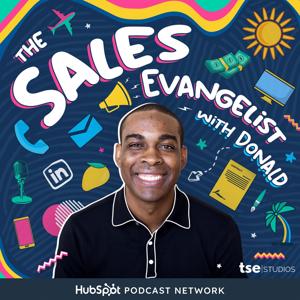
By Donald C. Kelly


4.9
265265 ratings


The podcast currently has 3,094 episodes available.
The most played episodes among Podcast App listeners.
A former Marine who did eight combat deployments in eight years now spends his time teaching people to stop pitching and start asking better questions. Keith Gillispie, founder of REI Automated, left the Marines in 2020 to build a real estate investing and coaching business that's helped more than 1,200 people, with close to 580 of them closing their very first deal. He broke down exactly how he qualifies, questions, and consults his way to the close. Why "Selling" Is the Wrong Mindset (Stop Being House Horny)Keith's blunt term for pushy sellers: house horny, chasing the deal so hard that they force the wrong solution onto someone just to close it.His fix is simple: stop selling, and start asking great questions that guide the prospect to the answer on their own.He reviews sales calls with his own team every week, and the biggest issue he catches with newer reps is a used-car-salesman energy that shows up the moment they stop asking and start pitching. Qualify for the Right Industry FirstKeith gets over a hundred Facebook messages a day, and his team has to pre-qualify people before he ever gets on a call.A recent example: a rep flagged someone as "qualified" who actually wanted coaching on commercial real estate, which Keith doesn't teach at all. Same broad label, completely wrong fit.Even inside a niche that sounds close enough, being in the wrong specific industry wastes everyone's time. Qualify for the Right Problem: Your Core Competency Must Match Their Core ConstraintKeith's rule: everyone has problems, but that alone doesn't make someone a fit. What he's good at has to be exactly what the prospect is bad at.He calls this matching your core competency to their core constraint. If there's no real gap for him to fill, there's no real reason for the two of them to work together.This is what separates a win-win engagement from a sale that shouldn't have happened in the first place. Qualify for the Right Money (Or Every Call Becomes Charity)Even with the right industry and the right problem, a prospect still has to be able to afford the solution, or the call turns into free coaching.Keith shared a recent example of two prospects who badly wanted to join his program but couldn't spend even $300, when his coaching runs into the thousands.He's direct with his own team about this: sending him financially unqualified leads turns every call into charity work, which isn't sustainable as a business, even though he's genuinely happy to hand out free value when it makes sense. Diagnose Before You PrescribeKeith estimates that more than half of the people who come to him think they know what they need, and they're wrong.His example: prospects ask for automation when they don't even have leads coming in yet, or don't know how to structure a deal. Automating a broken process just scales the chaos faster.He compares it to a patient self-diagnosing before seeing a doctor. The seller's job, like a doctor's, is to ask enough questions to find the real issue before recommending anything. Get Comfortable Asking Uncomfortable Financial QuestionsKeith walks straight into questions like current income, whether that number is gross or net, and total debt, early in a call, because he can't build a plan without knowing where someone actually stands.He compares it to Google Maps: you need a point of origin and a point of destination before you can build the route in between.Roughly one in twenty-five or thirty people push back on how direct these questions are. Keith's response is straightforward: if they can't handle these basic questions now, the program itself is going to be a rough fit. Build Yes Momentum With Small AsksKeith structures his qualifying questions to build what he calls yes momentum: each small, reasonable question makes the next one easier to answer.He starts broad, what do you do, how long have you done it, before narrowing into income, debt, and financial specifics, so the conversation earns its way to the harder questions instead of opening with them.That same sequence doubles as training. The financial questions he asks on a discovery call mirror the exact questions his students will later need to ask sellers and private lenders. Ask Questions, Don't Make StatementsKeith's rule for himself: don't make a statement for the first 60 percent of any sales call, aside from short softening statements like "I'm glad you asked that."The only exception is a brief acknowledgment before turning right back around and asking another question.Whoever is asking the questions is steering the conversation, and Keith treats that as true for the entire first half of every call he runs. Never Fully Answer a Question Without Asking One BackKeith borrows from Socratic questioning: when a prospect asks a direct question, like how fast he can close on a house, answering too quickly and too specifically can blow up the deal in either direction.Instead, he gives a partial, honest answer, then asks a question that uncovers the real reason behind their question, like whether they need to move fast or need more time.That extra step means his eventual answer is actually calibrated to what the person needs, instead of a generic response that might scare them off or fail to meet an urgent situation. Become a Lifelong Student of Your CraftKeith has taken more than ten thousand sales calls over eleven years and still says the more he learns about sales psychology, the more he realizes he doesn't know.His advice for anyone serious about improving: invest in a coach or mentor who can review real calls and point out specific gaps, rather than trying to learn everything for free through trial and error.His framing: you'll pay for the lesson either way, either in money to a mentor, or in wasted time and missed opportunity learning the hard way. "People don't care how much you know until they know how much you care." — Keith Gillispie ResourcesConnect with Keith Gillispie on LinkedIn.Visit REI Automated to learn more about Keith's education, software, and coaching community for real estate investors.Join our LinkedIn cohort and learn to prospect the right way.Visit Blue Mango Studios for help creating podcast production content. Sponsorship OffersThis episode is brought to you in part by Hubspot. With HubSpot sales hubs, your data tools and teams join a single platform to close deals and turn prospects into pipelines. Try it for yourself at hubspot.com/sales.This episode is brought to you in part by the TSE Sales Foundation. Improve your connection on LinkedIn and land three or five appointments with our LinkedIn prospecting course. Go to the salesevangelist.com/linkedin. Credits As one of our podcast listeners, we value your opinion and always want to improve the quality of our show. Complete our two-minute survey here: thesalesevangelist.com/survey. We’d love for you to join us for our next episodes by tuning in on Apple Podcast, Google Podcast, Stitcher, or Spotify. Audio provided by Free SFX, Soundstripe, and Bensound. Other songs used in the episodes are as follows: The Organ Grinder written by Bradley Jay Hill, performed by Bright Seed, and produced by Brightseed and Hill.

37 reps who got the least recognition on one 153-person sales team averaged 62 percent quota attainment. The team average was 107 percent. That gap is the whole argument Sindre Haaland, CEO and founder of SalesScreen, makes for why comp plans alone don't explain sales performance. Why Identical Comp Plans Produce Wildly Different ResultsSindre's core observation: two reps can work under the exact same comp plan and produce completely different results, which means money alone isn't the daily driver of performance.Comp plans set the structure and tell a rep what they need to do to get paid, but engagement is what determines whether they actually do it consistently.An engaged rep will outperform a disengaged one with the identical incentive on the table, every time. Know Your Sales MathSindre's first question to any rep: have you actually broken your quota down into what you need to do today, not just what you need to hit by year end?Reps who treat sales as a series of repeatable, data-driven daily activities have a far more predictable path to their number than those relying on charisma alone.Even with a full pipeline of data, the numbers only matter if a rep has the motivation to actually execute the plan. That's the gap gamification is built to close. The Four Player Types on Every Sales TeamSindre borrows a framework from game theory to describe four types of sales reps: killers, achievers, explorers, and socialites.Killers are driven by being number one and seeing their name at the top of the leaderboard. Achievers care about personal bests, regardless of where they rank against everyone else.Explorers enjoy the process itself, testing new tools and new angles. Socialites, the majority of most sales teams, are driven by recognition, visibility, and feeling like their effort is seen. The TV and Music Moment That Changed Sindre's CareerSindre described watching a sales floor the first time his team replaced a whiteboard with TVs that played music and visuals every time a rep closed a deal.People were jumping on their desks. That reaction is what convinced him sales motivation itself, not another feature, was the real business to build.A rep's win becoming a shared, visible, celebrated moment does something a quiet bank deposit never will. Three Rules for Running a Contest That Moves the NeedleTiming matters more than most leaders assume. Contests started on a Wednesday consistently outperform ones started on a Monday, since early-week motivation has usually faded by midweek.Shorter is better. Month-long contests tend to create a "valley of disengagement," with excitement in week one, a dead middle, and a scramble at the end. One-day sprints create urgency without the letdown.Change the format so more than the top performer has a real shot. A lottery-style contest, where every meeting booked or deal closed earns a ticket, gives the middle of the pack a genuine "I might actually win this time" feeling. Get Creative: Pairing, Envelopes, and the White Elephant GamePairing a high performer with a lower performer on a team-based contest naturally creates coaching and mentorship, without ever calling it that.Simple physical mechanics work too: envelopes on a wall that reps can pick from after hitting an activity, some holding a dollar, some holding a bigger prize.Sindre's favorite: a white elephant style game where prizes range from real rewards to silly forfeits, and reps can steal from each other until the contest ends, creating genuinely memorable moments on the floor. The Recognition Stat That Proves the PointSindre shared data from a 153-person sales team where they measured how often each rep received recognition in a month.The 37 reps who received the least recognition averaged 62 percent quota attainment. The team average was 107 percent.Recognition and quota attainment move together closely enough that Sindre treats recognition frequency as a leading indicator, not just a nice-to-have. Where to Start as a New Sales LeaderSindre's starting point for anyone new to this: interview your top performers and find out what they actually do every day, not just what the official process says they should do.Frequently, top performers are doing things nobody explicitly asked them to do, or doing an already-known behavior far more consistently than everyone else.Cross-check those behaviors against the rest of the team. Wherever the gap is real, that's where a leader's next contest or incentive should be aimed. "A motivated person will do better than a disengaged one, even with the same comp plan." — Sindre Haaland ResourcesConnect with Sindre Haaland on LinkedIn.Visit SalesScreen, the world's leading sales gamification platform.Join our LinkedIn cohort and learn to prospect the right way.Visit Blue Mango Studios for help creating podcast production content. Sponsorship OffersThis episode is brought to you in part by Hubspot. With HubSpot sales hubs, your data tools and teams join a single platform to close deals and turn prospects into pipelines. Try it for yourself at hubspot.com/sales.This episode is brought to you in part by LinkedIn. Are you tired of prospective clients not responding to your emails? Sign up for a free 60-day trial of LinkedIn Sales Navigator at linkedin.com/tse.This episode is brought to you in part by the TSE Sales Foundation. Improve your connection on LinkedIn and land three or five appointments with our LinkedIn prospecting course. Go to the salesevangelist.com/linkedin. Credits As one of our podcast listeners, we value your opinion and always want to improve the quality of our show. Complete our two-minute survey here: thesalesevangelist.com/survey. We’d love for you to join us for our next episodes by tuning in on Apple Podcast, Google Podcast, Stitcher, or Spotify. Audio provided by Free SFX, Soundstripe, and Bensound. Other songs used in the episodes are as follows: The Organ Grinder written by Bradley Jay Hill, performed by Bright Seed, and produced by Brightseed and Hill.
Only 10 percent of sales messages actually explain why something should matter to the buyer. The other 90 percent are just decoration on a generic pitch. That stat comes from Leslie Venetz, who audits thousands of sales messages every year and just released her USA Today bestseller, Profit-Generating Pipeline. She broke down what real relevance looks like, and the exact method she uses to build it. What Relevance Actually Means (And Why Most Sellers Miss It)Leslie defines relevance simply: a message has to be relevant to the person receiving it, not to the seller sending it.The biggest problem she sees is that most outreach centers on the seller's process, product, and company goals instead of the buyer.When she audits sales messaging, and she reviews thousands of messages a year, only about 10 percent actually explain why a piece of information should matter to the prospect. The Mail Merge Era: When "Fake Personalization" Felt Like MagicBack around 2012, Leslie ran a basic mail merge strategy that felt groundbreaking at the time. Prospects were genuinely impressed just to see their name and company pulled into an email.That tactic hasn't disappeared. It's evolved into things like mentioning a prospect's new job title or congratulating them on a funding round.The problem is the same one it's always been: something can be true about a prospect without being relevant to them right now. Personalization Versus RelevanceLeslie draws a clear distinction: personalization is a fact about the prospect. Relevance is why that fact should matter to them today.I shared my own experience of digging through my inbox after the pandemic and realizing most pitches weren't even relevant to my actual role, let alone my actual problems.The real gap, in Leslie's words, is that most sellers never get into the buyer's emotional state, the specific pressure a person is under right now, not just their job title or industry. The Earn the Right Philosophy: De-Centering Yourself From the PitchLeslie's core philosophy is called Earn the Right: before asking for a meeting, a call, or a contract, a seller has to earn the right to that person's attention.That means shifting language away from "I'm an account executive at [Company] and we sell [Feature]" toward messaging built entirely around the buyer's specific situation and outcome.The shift shows up in something as simple as word choice. Leslie says the biggest difference she sees in client messaging is emails that stop being about I, we, and our, and start being about you and your. The Five-Filter Segmentation MethodLeslie's starting point for anyone new to territory planning is the five-filter method: four firmographic filters plus one demographic filter, layered together to turn a broad list into a hyper-specific one.She recommends starting with the demographic filter first, since narrowing a title, like going from "IT executives" down to just "CIO," forces a seller to ask what that exact role actually cares about.That one change alone, narrowing from a broad title to a specific one, has increased reply rates by more than 12 percent for her clients. A Real Client Example: Narrowing a Healthcare IT ListLeslie walked through a real example from a global software company: a list originally aimed at "IT executives in healthcare" got narrowed down using all five filters.The firmographic filters included US-only, hospitals specifically, revenue between 100 million and a billion dollars, and customer service departments over 100 people.They also added a signal: whether the hospital had missed a recent best-of list. That detail alone reframed the entire pitch around better patient outcomes and service rankings, instead of generic product features. Shorter Emails, Longer CadencesA common mistake Leslie sees even after sellers embrace outcome-focused messaging: trying to cram everything they want to say into a single email.Her fix is to trust the cadence. Spread the story about a buyer's likely outcomes across multiple touches instead of one dense pitch.That shift also means holding off on a hard call to action early in a sequence, and letting later touches carry more of that weight. Why "More" Isn't a StrategyWhen results slow down, Leslie sees most teams reach for the same lever: hire more reps, send more emails, make more calls.Her pushback is direct: more is never the answer on its own, because it skips the harder work of understanding who you're actually talking to.Good segmentation is what makes every other activity, calls, emails, cadences, actually worth doing in the first place. The Marriage of Art and Science in SalesLeslie pushes back on using AI as a way to fully remove the seller from the process. If a prospect is expected to give their time and attention to a reply, the seller owes them a message that was actually written with care.The science side is the data: confirming you're talking to the right person, at the right account, about the right thing.The art side is judgment: knowing that just because something is technically personalized, like mentioning a promotion, doesn't mean it's the most relevant or human thing to say next. One Thing to Do Right Now to Get More RelevantLeslie's starting point for any sales leader: audit your current sales messaging and count how often it uses I, we, my, and our instead of you and your.That audit gives you real data on how self-centered your outreach actually is, even if it doesn't feel that way from the inside.From there, use AI for research instead of mass automation. Learn what a specific persona at a specific type of account actually cares about, then build that into the message. "More is not a strategy." — Leslie Venetz ResourcesGrab Leslie's book, Profit-Generating Pipeline: A Proven Formula to Earn Trust and Drive Revenue.Visit Leslie's company, The Sales-Led GTM Agency.Connect with Andy Paul, Leslie's mentor and host of The Win Rate Podcast, on LinkedIn.Join our LinkedIn cohort and learn to prospect the right way.Visit Blue Mango Studios for help creating podcast production content. Credits As one of our podcast listeners, we value your opinion and always want to improve the quality of our show. Complete our two-minute survey here: thesalesevangelist.com/survey. We’d love for you to join us for our next episodes by tuning in on Apple Podcast, Google Podcast, Stitcher, or Spotify. Audio provided by Free SFX, Soundstripe, and Bensound. Other songs used in the episodes are as follows: The Organ Grinder written by Bradley Jay Hill, performed by Bright Seed, and produced by Brightseed and Hill.
Most salespeople treat follow-up like an afterthought: a quick check-in email, then nothing. I sat down with Corrie George, founder of YESA and Canada First, and former president of Grant Cardone Canada, to talk about the follow-up system that's actually helped him close hundreds of millions of dollars in sales. Most Sales Are Won After the Fifth ContactAccording to Salesforce, less than 20 percent of sales happen in the first few points of contact.82 percent of sales happen between the fifth and twelfth point of contact.Most sales reps stop following up long before they reach that window, which means they're walking away from the majority of their pipeline. Know Where Your Buyer Really Is in the Buying CycleBefore you follow up, figure out where the buyer actually is. Some people aren't even aware they have the problem you solve yet.Corrie says salespeople often compete with a purchase in a completely different category, not just a direct competitor.Understanding that stage changes how, and how often, you should be reaching out. The Four Types of Follow-Up: Information, Education, Entertainment, and ServiceCorrie breaks follow-up into four categories, and they have to happen in order: information, education, entertainment, then service.Skipping the order, especially jumping to entertainment before you've built credibility, makes a rep look unprofessional instead of likable. Information Follow-Up Covers Your Product and CompanyThis is the follow-up most reps already do: spec sheets, product comparisons, and warranty details.Corrie also uses this stage to introduce the buyer to the service team they'll work with after the sale, so promises made during the pitch feel real. Education Follow-Up Turns You Into an AdvisorEducation follow-up gives the buyer something useful whether they buy from you or not, like an honest guide to navigating your industry.Corrie points to the movie Air, where Nike won over the Jordan family by telling them exactly what to expect from competitors before ever pitching a shoe.This step also means telling buyers the hard questions they should ask your competitors, even when it makes your own company look more exposed. Entertainment Comes After You've Earned TrustEntertainment, things like memes, a pizza delivery, or a Rubik's Cube with a clever note, only works once you've already built credibility.Trying to build rapport before trust exists makes a buyer more suspicious, not less. Service Follow-Up Closes the LoopService follow-up means offering something small and free, like a low cost version of your product, a free workshop, or a discounted service, to prove your competence before the big ask.It comes last because you don't want to give away value to buyers who are still early in the process. Physical Follow-Up Beats DigitalEvery digital follow-up competes with hundreds of unread emails and notifications already on a buyer's phone.A physical card, book, or package sits on someone's desk with no competition, and Corrie treats that as one of the most underused tools in follow-up. Play the Long Game With Every ProspectSome deals will close this month, some in three months, and some won't close for a year. Reps need to plan follow-up around that reality instead of giving up early.Corrie's rule: do something today that your future self will thank you for. "Don't expect him to spend fifty grand with you if you won't spend fifty dollars on him." — Corrie George ResourcesLearn more about Corrie's sales trade school, YESA.Learn more about Corrie's home security company, Canada First.Keep track of your sales activity and boost your results with the Prospect Pro sales tool.Step up your sales game with Sales Mastermind. Get accountability, stay motivated, and tackle the blockers keeping you from hitting your goals.Visit Blue Mango Studios for help creating podcast production content.Join our LinkedIn cohort and learn to prospect the right way. Sponsorship OffersThis episode is brought to you in part by Hubspot. With HubSpot sales hubs, your data tools and teams join a single platform to close deals and turn prospects into pipelines. Try it for yourself at hubspot.com/sales.This episode is brought to you in part by the TSE Sales Foundation. Improve your connection on LinkedIn and land three or five appointments with our LinkedIn prospecting course. Go to the salesevangelist.com/linkedin. Credits As one of our podcast listeners, we value your opinion and always want to improve the quality of our show. Complete our two-minute survey here: thesalesevangelist.com/survey. We’d love for you to join us for our next episodes by tuning in on Apple Podcast, Google Podcast, Stitcher, or Spotify. Audio provided by Free SFX, Soundstripe, and Bensound. Other songs used in the episodes are as follows: The Organ Grinder written by Bradley Jay Hill, performed by Bright Seed, and produced by Brightseed and Hill.
Every seller has been there. You send the perfect proposal, deliver a great pitch, and then the exec on the other end goes silent. I sat down with Anthony Reeves, a former global executive at Amazon, WPP, LVMH, and Airbnb, to talk about the real reason executives ghost you. It's not what most sellers think. Executives Aren't Ghosting You, They're Protecting ThemselvesExecutives get to their position by protecting their career and their company, and staying out of trouble.The number one question running through their head in a pitch is whether this decision could embarrass them personally or embarrass the company.If a sales conversation doesn't address that fear directly, it gets pushed to the back burner, which looks a lot like ghosting. Slow Down. You're Probably Over-PreparingAnthony spent years as the final decision maker at companies like Amazon and WPP, with back to back thirty minute meetings from morning to night.By the time a deal reaches an executive's desk, it's often already been vetted by their team. They just want confirmation, not a full pitch from scratch.Sales reps who try to sell all the way through the meeting are working against how executives actually make decisions. Get to the Point in the First Few MinutesAnthony has sat through pitches that took twenty five minutes to get to the point. At his level, he needed the point in the first few minutes.He recommends opening with a short greeting, then moving straight into what you're there to talk about: the product, the plan forward, the price, and the benefit to their organization.That structure resets a busy exec's mind fast, since they're usually jumping straight from a completely different meeting into yours. Let Data Do the ConvincingOne of the best lessons Anthony learned at Amazon was to make decisions with data, not opinion.Jeff Bezos's rule was that seventy percent of the data is usually enough, with the rest filled in by good judgment.Data driven pitches remove the office politics and personal bias from a decision, which makes it easier for an executive to say yes. Data Levels the Playing Field for Junior SellersAt the enterprise level, a purchase usually has to clear procurement, legal, compliance, and IT, four teams that rarely speak the same language.Data is the one language all four of those teams can agree on.Anthony says a junior sales rep with strong data can out argue the most senior person in the room, because the data doesn't care who's presenting it. Think Like the Person You're PitchingExecutives are jumping from meeting to meeting all day, often with almost no gap in between.Anthony suggests opening with a quick, genuine greeting, then naming exactly what the meeting will cover so the buyer can mentally reset.That small structure change respects their time more than small talk does. Don't Hide the Facts, Especially the PriceEvery fact in a deal comes out eventually, so there's no reason to delay the ones that matter most, especially price.Anthony compares a slow sales pitch to a used car lot that won't just tell you the price. Buyers respect a rep who's upfront, even about the tough numbers.Getting to price early doesn't kill a deal. It builds the trust that keeps the conversation moving. Build a Set of Principles You Won't CrossAnthony points to Amazon's leadership principles, especially customer obsession, as an example of a rule that guided every decision regardless of the revenue on the table.He's turned down revenue in the past because saying yes would have gone against a personal or company principle, and it paid off long term.Reps who define their own non negotiables ahead of time make faster, more confident decisions in the room. The Real Reason Executives Ghost YouIf you push a short term sale that embarrasses or overwhelms the buyer, you lose the long term relationship, and most future business comes from existing customers.Sometimes the right move is to say no to a deal, because protecting the relationship is worth more than the transaction.Thinking long term, and putting the buyer's reputation ahead of the sale, is what keeps executives responding instead of disappearing. "Sometimes saying no and not embarrassing the customer is actually a really good thing. It'll benefit you in the longer term." — Anthony Reeves ResourcesConnect with Anthony Reeves on LinkedIn.Visit Anthony's website.Keep track of your sales activity and boost your results with the Prospect Pro sales tool.Step up your sales game with Sales Mastermind. Get accountability, stay motivated, and tackle the blockers keeping you from hitting your goals.Visit Blue Mango Studios for help creating podcast production content.Join our LinkedIn cohort and learn to prospect the right way. Sponsorship OffersThis episode is brought to you in part by Hubspot. With HubSpot sales hubs, your data tools and teams join a single platform to close deals and turn prospects into pipelines. Try it for yourself at hubspot.com/sales.This episode is brought to you in part by LinkedIn. Are you tired of prospective clients not responding to your emails? Sign up for a free 60-day trial of LinkedIn Sales Navigator at linkedin.com/tse.This episode is brought to you in part by the TSE Sales Foundation. Improve your connection on LinkedIn and land three or five appointments with our LinkedIn prospecting course. Go to the salesevangelist.com/linkedin. Credits As one of our podcast listeners, we value your opinion and always want to improve the quality of our show. Complete our two-minute survey here: thesalesevangelist.com/survey. We’d love for you to join us for our next episodes by tuning in on Apple Podcast, Google Podcast, Stitcher, or Spotify. Audio provided by Free SFX, Soundstripe, and Bensound. Other songs used in the episodes are as follows: The Organ Grinder written by Bradley Jay Hill, performed by Bright Seed, and produced by Brightseed and Hill.
show notes
The podcast currently has 3,094 episodes available.

3,329 Listeners
585 Listeners

1,252 Listeners

2,198 Listeners

13,972 Listeners

4,460 Listeners
2,315 Listeners

2,657 Listeners

393 Listeners

29,081 Listeners
212 Listeners

951 Listeners

658 Listeners

262 Listeners

939 Listeners