
Sign up to save your podcasts
Or

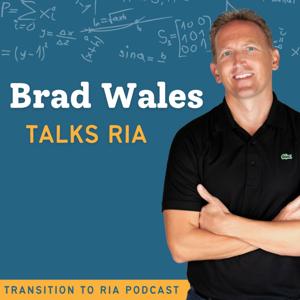


Should you consider joining a “roll-up” firm?
But what exactly are they rolling up?
All of your practice?
Some of your practice?
Do they take operational control of your practice?
Is this a succession play?
As I frequently lament about the term “hybrid” as well, the term “roll-up” is often used to describe different types of RIA firms, providing very different solutions for advisors.
In this episode (#130) of the Transition To RIA question & answer series I explain several different ways “roll-up” firms are structured and when it might appeal to you.
Come take a listen!
P.S. Prefer video? You can find this entire series in video format on Youtube. Search for the TRANSITION TO RIA channel.
Show notes: https://TransitionToRIA.com/what-is-an-ria-roll-up-firm/
About Host: Brad Wales is the founder of Transition To RIA, where he helps financial advisors understand everything there is to know about WHY and HOW to transition their practice to the Registered Investment Advisor (RIA) model. Brad has 20+ years of industry experience, including direct RIA related roles in Compliance, Finance and Business Development. He has an MBA and has held the 4, 7, 24, 63 & 65 licenses. The Transition To RIA website (TransitionToRIA.com) has a large catalog of free videos, articles, whitepapers, as well as other resources to help advisors understand the RIA model and how it would apply to their unique circumstances.
“You won’t be able to use Alts (alternative investments) if you transition to the RIA model.”
“Ok, maybe that’s no longer the case….but you won’t have access to as many investment options as we have in the large broker/dealer world.”
“Well….maybe that’s no longer true either, but our large scale gets us better availability/pricing than the RIA space.”
“Damn it…..that’s no longer true either. You RIA folks now often have better options, pricing, etc. than we do!”
This progression is how using Alts in the RIA space has generally played out. While advisors at large wirehouse type firms once had the advantage when it comes to Alts, in most cases it is now the opposite.
In this episode (#129) of the Transition To RIA question & answer series, I explain how Alts are used in the RIA model and why it is often to your advantage.
Come take a listen!
P.S. Prefer video? You can find this entire series in video format on Youtube. Search for the TRANSITION TO RIA channel.
Show notes: https://TransitionToRIA.com/can-i-use-alternative-investments-as-an-ria/
About Host: Brad Wales is the founder of Transition To RIA, where he helps financial advisors understand everything there is to know about WHY and HOW to transition their practice to the Registered Investment Advisor (RIA) model. Brad has 20+ years of industry experience, including direct RIA related roles in Compliance, Finance and Business Development. He has an MBA and has held the 4, 7, 24, 63 & 65 licenses. The Transition To RIA website (TransitionToRIA.com) has a large catalog of free videos, articles, whitepapers, as well as other resources to help advisors understand the RIA model and how it would apply to their unique circumstances.
A benefit of transitioning your practice to the RIA model is gaining access to a wider array of investment solutions, technology offerings, and service providers.
But with some variables of your practice, you might desire to maintain a status quo.
Advisors that currently outsource their asset management to 3rd party models or managers often prefer to maintain similar solutions upon transitioning.
In this episode (#128) of the Transition To RIA question and answer series, I explain the variables and considerations involved with maintaining your existing approach to managing assets.
Come take a listen!
P.S. Prefer video? You can find this entire series in video format on Youtube. Search for the TRANSITION TO RIA channel.
Show notes: https://TransitionToRIA.com/can-i-keep-using-the-same-investment-models-or-smas-that-im-using-now-if-i-transition-to-the-ria-model/
About Host: Brad Wales is the founder of Transition To RIA, where he helps financial advisors understand everything there is to know about WHY and HOW to transition their practice to the Registered Investment Advisor (RIA) model. Brad has 20+ years of industry experience, including direct RIA related roles in Compliance, Finance and Business Development. He has an MBA and has held the 4, 7, 24, 63 & 65 licenses. The Transition To RIA website (TransitionToRIA.com) has a large catalog of free videos, articles, whitepapers, as well as other resources to help advisors understand the RIA model and how it would apply to their unique circumstances.
Participants in our industry often talk about moving to another broker/dealer.
But when they say “broker/dealer” they are also often referring to an RIA.
Or conversely, you’ll hear voices discussing joining or starting an RIA.
Yet that too, could also potentially involve a broker/dealer as well.
Confused yet?
In this episode (#127) of the Transition To RIA question and answer series I explain the difference in these two structures and how the terminology is used properly.
Come take a listen!
P.S. Prefer video? You can find this entire series in video format on Youtube. Search for the TRANSITION TO RIA channel.
Show notes: https://TransitionToRIA.com/what-is-the-difference-between-an-ria-and-a-broker-dealer/
About Host: Brad Wales is the founder of Transition To RIA, where he helps financial advisors understand everything there is to know about WHY and HOW to transition their practice to the Registered Investment Advisor (RIA) model. Brad has 20+ years of industry experience, including direct RIA related roles in Compliance, Finance and Business Development. He has an MBA and has held the 4, 7, 24, 63 & 65 licenses. The Transition To RIA website (TransitionToRIA.com) has a large catalog of free videos, articles, whitepapers, as well as other resources to help advisors understand the RIA model and how it would apply to their unique circumstances.
The RIA model typically provides far more flexibility with how you can charge your clients for your services.
AUM, flat, subscription, hourly are some of the options.
Even the most used “AUM fee” comes with additional flexibility.
In this episode (#126) of the Transition To RIA question and answer series I explain the different fee types most often used in the RIA model.
Come take a listen!
P.S. Prefer video? You can find this entire series in video format on Youtube. Search for the TRANSITION TO RIA channel.
Show notes: https://TransitionToRIA.com/what-type-of-fees-can-i-charge-my-clients-in-the-ria-model/
About Host: Brad Wales is the founder of Transition To RIA, where he helps financial advisors understand everything there is to know about WHY and HOW to transition their practice to the Registered Investment Advisor (RIA) model. Brad has 20+ years of industry experience, including direct RIA related roles in Compliance, Finance and Business Development. He has an MBA and has held the 4, 7, 24, 63 & 65 licenses. The Transition To RIA website (TransitionToRIA.com) has a large catalog of free videos, articles, whitepapers, as well as other resources to help advisors understand the RIA model and how it would apply to their unique circumstances.
How difficult is a transition to the RIA model?
It’s difficult enough that some advisors and teams can never bring themselves to cross the bridge.
Whereas other advisors and teams learn how to navigate the process, and successfully do so.
There are nonetheless still “difficult” parts to a transition:
In this episode (#125) of the Transition To RIA question & answer series I explain how to successfully navigate these “difficult” steps.
Come take a listen!
P.S. Prefer video? You can find this entire series in video format on Youtube. Search for the TRANSITION TO RIA channel.
Show notes: https://TransitionToRIA.com/how-difficult-is-a-transition-to-the-ria-model/
About Host: Brad Wales is the founder of Transition To RIA, where he helps financial advisors understand everything there is to know about WHY and HOW to transition their practice to the Registered Investment Advisor (RIA) model. Brad has 20+ years of industry experience, including direct RIA related roles in Compliance, Finance and Business Development. He has an MBA and has held the 4, 7, 24, 63 & 65 licenses. The Transition To RIA website (TransitionToRIA.com) has a large catalog of free videos, articles, whitepapers, as well as other resources to help advisors understand the RIA model and how it would apply to their unique circumstances.
You don’t have to be 100% fee-only to transition your practice to the RIA model.
There are potential ways to “solve” for your remaining legacy commission assets.
One potential way is to utilize an “RIA-Friendly Broker-Dealer.”
But what exactly is an RIA-Friendly Broker-Dealer?
How does it work?
Is it available for you to use?
How much does it cost?
In this episode (#124) of the Transition To RIA question and answer series, I explain what an RIA-Friendly Broker-Dealer is and when you might consider using one.
Come take a listen!
P.S. Prefer video? You can find this entire series in video format on Youtube. Search for the TRANSITION TO RIA channel.
Show notes: https://TransitionToRIA.com/what-is-an-ria-friendly-broker-dealer/
About Host: Brad Wales is the founder of Transition To RIA, where he helps financial advisors understand everything there is to know about WHY and HOW to transition their practice to the Registered Investment Advisor (RIA) model. Brad has 20+ years of industry experience, including direct RIA related roles in Compliance, Finance and Business Development. He has an MBA and has held the 4, 7, 24, 63 & 65 licenses. The Transition To RIA website (TransitionToRIA.com) has a large catalog of free videos, articles, whitepapers, as well as other resources to help advisors understand the RIA model and how it would apply to their unique circumstances.
So, you want to start an RIA?
You want the better economics that come with it?
The increased flexibility you’ll have with your practice?
But are you aware of the additional responsibilities that come with it as well?
As advantageous as the RIA model is, there is no free lunch.
It’s important to understand what the additional responsibilities are, to determine if they are something you are able/willing to accommodate.
And with your specific situation, whether the added benefits of the model outweigh the added responsibilities.
In this episode (#123) of the Transition To RIA question & answer series, I explain what the additional responsibilities are of having your own RIA.
Come take a listen!
P.S. Prefer video? You can find this entire series in video format on Youtube. Search for the TRANSITION TO RIA channel.
Show notes: https://TransitionToRIA.com/what-additional-responsibilities-come-with-your-own-ria/
About Host: Brad Wales is the founder of Transition To RIA, where he helps financial advisors understand everything there is to know about WHY and HOW to transition their practice to the Registered Investment Advisor (RIA) model. Brad has 20+ years of industry experience, including direct RIA related roles in Compliance, Finance and Business Development. He has an MBA and has held the 4, 7, 24, 63 & 65 licenses. The Transition To RIA website (TransitionToRIA.com) has a large catalog of free videos, articles, whitepapers, as well as other resources to help advisors understand the RIA model and how it would apply to their unique circumstances.
Advocates of the RIA model will often passionately proclaim “THE PAYOUT IN THE RIA MODEL IS 100%!!!”
With such generous economics, the RIA path must surely be best, right?
For many advisors, it is the best path to take. But boastful headline numbers alone are not what determines that.
For starters, it’s not a “payout” at all. As your own RIA, you’re simply receiving the fee revenue you generate from your clients for the value and services you provide for them.
From that revenue, you must then deduct the expense associated with providing that value.
Then with multiple variables now involved, you must be careful to do a true apples-to-apples comparison to what “payout” you have currently.
In this episode of the Transition To RIA question & answer series I explain how the 100% “payout” in the RIA model works and how it would look for your practice.
Come take a listen!
P.S. Prefer video? You can find this entire series in video format on Youtube. Search for the TRANSITION TO RIA channel.
Show notes: https://TransitionToRIA.com/is-the-payout-in-the-ria-model-really-100-percent/
About Host: Brad Wales is the founder of Transition To RIA, where he helps financial advisors understand everything there is to know about WHY and HOW to transition their practice to the Registered Investment Advisor (RIA) model. Brad has 20+ years of industry experience, including direct RIA related roles in Compliance, Finance and Business Development. He has an MBA and has held the 4, 7, 24, 63 & 65 licenses. The Transition To RIA website (TransitionToRIA.com) has a large catalog of free videos, articles, whitepapers, as well as other resources to help advisors understand the RIA model and how it would apply to their unique circumstances.
You studied for months to take the Series 7.
You anxiously sat through the multi-hour test. Perhaps with your livelihood on the line.
You finished the test and nervously awaited the result.
You passed!
Years, if not decades have now since past.
You’re considering transitioning your practice to the RIA model, but don’t want to “lose” the 7 you worked so hard for all those years ago.
But do you have to?
In this episode of the Transition To RIA question & answer series I explain if you must drop your 7 to go RIA.
Come take a listen!
P.S. Prefer video? You can find this entire series in video format on Youtube. Search for the TRANSITION TO RIA channel.
Show notes: https://TransitionToRIA.com/do-i-have-to-drop-my-series-7-if-i-go-ria/
About Host: Brad Wales is the founder of Transition To RIA, where he helps financial advisors understand everything there is to know about WHY and HOW to transition their practice to the Registered Investment Advisor (RIA) model. Brad has 20+ years of industry experience, including direct RIA related roles in Compliance, Finance and Business Development. He has an MBA and has held the 4, 7, 24, 63 & 65 licenses. The Transition To RIA website (TransitionToRIA.com) has a large catalog of free videos, articles, whitepapers, as well as other resources to help advisors understand the RIA model and how it would apply to their unique circumstances.
From the publisher's feed

4,053 Listeners

2,170 Listeners

194 Listeners

2,023 Listeners
101 Listeners

462 Listeners

2,139 Listeners

243 Listeners

10,107 Listeners

1,556 Listeners

114 Listeners

420 Listeners

26 Listeners
136 Listeners

9 Listeners