
Sign up to save your podcasts
Or

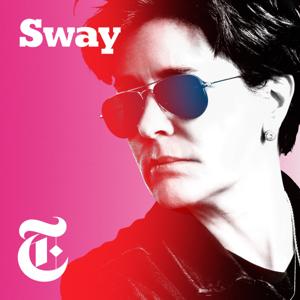

Hans Zimmer has spent his career scoring cinematic worlds, from the ancient Rome of “Gladiator” to the futuristic landscape of “Dune.” So what does the metaverse sound like to him? “It sounds like just some giant, horrible, dehumanizing mess right now,” he says.
Zimmer sees tech’s influence everywhere in music. He posits that from drums to violins to synthesizers, “every piece that we use other than the human voice is a piece of technology.” But he’s also cleareyed about how innovations like artificial intelligence and streaming don’t fix underlying issues of fairness in compensation: “The people who have access to the distribution systems really still always will hold the cards.”
In this conversation, Kara Swisher talks to Zimmer about his process for composing the score for “Dune” and why he says finding out that the movie would premiere simultaneously in theaters and on HBO Max was a “crushing moment.” They also discuss how composers can adapt to the shifting demands of viewers and a streaming economy — and what he’s working on next.
(A full transcript of the episode will be available midday on the Times website.)
Kara Swisher is working on a podcast for HBO, which is part of WarnerMedia and is a major player in streaming media.
You can find transcripts (posted midday) and more information for all episodes at nytimes.com/sway, and you can find Kara on Twitter @karaswisher.
Unlock full access to New York Times podcasts and explore everything from politics to pop culture. Subscribe today at nytimes.com/podcasts or on Apple Podcasts and Spotify.
 View all episodes
 By New York Times Opinion


3.6
7676 ratings
Hans Zimmer has spent his career scoring cinematic worlds, from the ancient Rome of “Gladiator” to the futuristic landscape of “Dune.” So what does the metaverse sound like to him? “It sounds like just some giant, horrible, dehumanizing mess right now,” he says.
Zimmer sees tech’s influence everywhere in music. He posits that from drums to violins to synthesizers, “every piece that we use other than the human voice is a piece of technology.” But he’s also cleareyed about how innovations like artificial intelligence and streaming don’t fix underlying issues of fairness in compensation: “The people who have access to the distribution systems really still always will hold the cards.”
In this conversation, Kara Swisher talks to Zimmer about his process for composing the score for “Dune” and why he says finding out that the movie would premiere simultaneously in theaters and on HBO Max was a “crushing moment.” They also discuss how composers can adapt to the shifting demands of viewers and a streaming economy — and what he’s working on next.
(A full transcript of the episode will be available midday on the Times website.)
Kara Swisher is working on a podcast for HBO, which is part of WarnerMedia and is a major player in streaming media.
You can find transcripts (posted midday) and more information for all episodes at nytimes.com/sway, and you can find Kara on Twitter @karaswisher.
Unlock full access to New York Times podcasts and explore everything from politics to pop culture. Subscribe today at nytimes.com/podcasts or on Apple Podcasts and Spotify.

8,822 Listeners

38,062 Listeners

6,826 Listeners
3,970 Listeners

4,038 Listeners

1,508 Listeners
9,622 Listeners

2,063 Listeners

145 Listeners

111,948 Listeners

1,522 Listeners

12,628 Listeners

310 Listeners

7,230 Listeners

466 Listeners

51 Listeners

2,347 Listeners

380 Listeners

6,685 Listeners

5,530 Listeners

15,950 Listeners

1,501 Listeners

10,745 Listeners
1,688 Listeners

3,483 Listeners

736 Listeners

13 Listeners

640 Listeners
27 Listeners

83 Listeners

0 Listeners