
Sign up to save your podcasts
Or

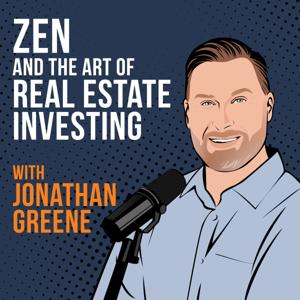


On this episode of Zen and the Art of Real Estate Investing, Jonathan Greene welcomes back Whitney Elkins-Hutten to explore one of the most overlooked, but most important, concepts in building long-term wealth: creating an investor thesis. Whitney, Director of Investor Education at PassiveInvesting.com and founder of Ash Wealth, shares how investors can stop collecting random deals and start building portfolios that actually align with how they want to live their lives.
Whitney explains that an investor thesis is essentially a set of decisions made before ever evaluating a deal. Rather than reacting emotionally to opportunities, investors can define their goals, timeline, risk capacity, preferred asset classes, geographic exposure, liquidity needs, and lifestyle objectives ahead of time. The result is a portfolio designed intentionally rather than assembled accidentally.
The conversation dives into why passive investing has become increasingly attractive for busy professionals and experienced investors alike. Whitney and Jonathan discuss the difference between serving your portfolio versus having your portfolio serve your life, and why many high-income earners may benefit from leveraging experienced operators instead of building active real estate businesses from scratch.
Whitney also breaks down the growing role of debt funds in modern portfolios, explaining how they differ from equity investments and why they can create stability during uncertain market cycles. She shares practical due diligence questions investors should ask, how liquidity really works in passive investments, and why understanding risk capacity, not just risk tolerance, can dramatically improve decision-making.
Throughout the conversation, Whitney emphasizes the importance of maintaining reserves, reviewing portfolio allocation regularly, and conducting postmortems not only on investments that fail, but also on the ones that succeed. The episode offers a thoughtful framework for building wealth intentionally while maintaining flexibility through changing market conditions.
In this episode, you will hear:
• What an investor thesis is and why every investor should create one before evaluating deals • How passive investing can support lifestyle goals and long-term wealth creation • Why diversification should extend across operators, strategies, timelines, and capital structures • The role debt funds can play in balancing cash flow and portfolio flexibility • How understanding risk capacity can improve investment decisions • Why successful investors review both winning and losing investments to refine their strategy
Follow and Review
If you enjoy the show, please follow Zen and the Art of Real Estate Investing on Apple Podcasts and leave a rating and review. It helps other listeners discover the show and supports its continued growth.
Supporting Resources
Connect with Whitney:
Website - PassiveInvestingWithWhitney.com
Facebook - https://www.facebook.com/WhitneyHuttenInvesting
Instagram - https://www.instagram.com/whitneyhutten/
LinkedIn - https://www.linkedin.com/in/whitneyelkinshutten/
Connect with Jonathan:
Podcast - www.zenandtheartofrealestateinvesting.com
YouTube - www.youtube.com/JonathanGreenere
Instagram - www.instagram.com/zenrealestateinvesting
Instagram - www.instagram.com/trustgreene
Bigger Pockets - www.biggerpockets.com/users/TrustGreene
Facebook - www.facebook.com/zenandtheartofrealestateinvesting
Jonathan's Hub Site - www.trustgreene.com
Brokerage - https://www.streamlined.properties
This episode was produced by Outlier Audio.
On this episode of Zen and the Art of Real Estate Investing, Jonathan Greene sits down with Scott Carson, known throughout the industry as "The Note Guy", to explore one of real estate's most misunderstood investment strategies: non-performing notes. Scott shares how his own experience with overleveraging into rental properties and facing financial hardship became the foundation for building a business around distressed debt, helping homeowners stay in their homes while creating profitable opportunities for investors.
Scott explains what note investing actually is and why so many people misunderstand the asset class. Instead of owning and managing property directly, note investors purchase the debt secured by real estate, often at a discount, and step into the lender's position. That opens the door to restructuring loans, modifying payments, negotiating exits, and in many cases keeping borrowers in their homes while generating strong returns.
The conversation dives into where note investors fit in the foreclosure process and how they work with distressed homeowners. Scott walks through how lenders decide to sell non-performing loans, why flexibility matters once notes are acquired, and how loan modifications can create better outcomes for everyone involved, including homeowners, neighborhoods, and investors. Jonathan and Scott also discuss the realities of foreclosure, borrower psychology, and why empathy and business discipline both matter when navigating financial hardship.
Scott also shares practical advice for investors interested in entering the note space, including where to find opportunities, how to think about evaluating deals, and why building relationships matters more than chasing flashy opportunities online. They explore why many investors migrate into notes after difficult experiences with other real estate strategies and how note investing can offer a more scalable and operationally efficient approach for those willing to learn the process.
In this episode, you will hear:
• How Scott's experience facing foreclosure led him into note investing • Why buying debt creates different opportunities than buying real estate directly • How loan modifications can help homeowners while improving investor returns • Where investors can find note opportunities and build relationships with lenders • Why successful note investing requires process, patience, and long-term thinking
Follow and Review
If you enjoy the show, please follow Zen and the Art of Real Estate Investing on Apple Podcasts and leave a rating and review. It helps other listeners discover the show and supports its continued growth.
Supporting Resources
Connect with Scott:
Website - http://WeCloseNotes.com
Youtube - http://WeCloseNotes.tv
Facebook - http://Facebook.com/1scottcarson
Instagram - http://instagram.com/1scottcarson
LinkedIn - https://www.linkedin.com/in/1scottcarson/
Connect with Jonathan:
Podcast - www.zenandtheartofrealestateinvesting.com
YouTube - www.youtube.com/JonathanGreenere
Instagram - www.instagram.com/zenrealestateinvesting
Instagram - www.instagram.com/trustgreene
Bigger Pockets - www.biggerpockets.com/users/TrustGreene
Facebook - www.facebook.com/zenandtheartofrealestateinvesting
Jonathan's Hub Site - www.trustgreene.com
Brokerage - https://www.streamlined.properties
This episode was produced by Outlier Audio.
On this episode of Zen and the Art of Real Estate Investing, Jonathan Greene welcomes back Lauren Saidel-Baker, economist at ITR Economics, for a wide-ranging conversation about where the economy stands today and how investors should think about the years ahead. Returning after her earlier appearance discussing unbiased and apolitical forecasting, Lauren brings an updated perspective on inflation, interest rates, real estate, AI, demographic shifts, and why long-term planning matters more than reacting to headlines.
Lauren explains how economists approach uncertainty by relying on historical precedent instead of daily news cycles. While current events—from geopolitical conflict to inflation concerns—create volatility and attention-grabbing narratives, she shares why forecasting requires stepping back and focusing on long-term indicators rather than constant reactions. The conversation explores how factors like energy prices, wage pressure, consumer sentiment, and affordability continue shaping the economy even when individual headlines dominate public attention.
Jonathan and Lauren also dive into what these trends mean specifically for real estate investors. They discuss why housing affordability remains strained, how builders may still be creating the wrong types of homes for today's buyers, and why demographic and migration trends matter more than broad national narratives. Lauren explains how investors should think about interest rates, local market dynamics, and positioning themselves for long-term opportunity instead of waiting for perfect market conditions.
The episode also revisits one of Lauren's most discussed forecasts: the economic challenges projected around 2030. She outlines why demographic shifts, government spending obligations, and debt pressures remain central themes in ITR's long-term outlook and explains why preparation—not fear—is the right response. Rather than viewing downturns as disasters, Lauren emphasizes that periods of disruption often create extraordinary opportunities for investors who remain disciplined, stay informed, and maintain flexibility in their financial decisions.
In this episode, you will hear:
• Why economists rely on historical precedent instead of reacting to daily headlines • How inflation, energy prices, and interest rates continue shaping real estate markets • Why affordability challenges and migration trends are changing housing demand • What investors should understand about AI, productivity, and long-term economic growth • Why Lauren continues to emphasize planning ahead for the economic shifts expected around 2030
Follow and Review
If you enjoy the show, please follow Zen and the Art of Real Estate Investing on Apple Podcasts and leave a rating and review. It helps other listeners discover the show and supports its continued growth.
Supporting Resources
Connect with Lauren:
Website - https://itreconomics.com/
Youtube - https://www.youtube.com/@ITREconomics
Instagram - https://www.instagram.com/itreconomics
LinkedIn - https://www.linkedin.com/in/lauren-saidel-baker/
Other Resources - https://hubs.la/Q04kKs-k0
Connect with Jonathan:
Podcast - www.zenandtheartofrealestateinvesting.com
YouTube - www.youtube.com/JonathanGreenere
Instagram - www.instagram.com/zenrealestateinvesting
Instagram - www.instagram.com/trustgreene
Bigger Pockets - www.biggerpockets.com/users/TrustGreene
Facebook - www.facebook.com/zenandtheartofrealestateinvesting
Jonathan's Hub Site - www.trustgreene.com
Brokerage - https://www.streamlined.properties
This episode was produced by Outlier Audio.
On this episode of Zen and the Art of Real Estate Investing, Jonathan Greene shares a solo episode challenging one of the most common habits in modern real estate investing: relying too heavily on spreadsheets to make decisions. Despite openly admitting that he loves spreadsheets and uses them extensively across his businesses and daily life, Jonathan explains why investors can get themselves into trouble when spreadsheets stop being tools and start becoming substitutes for judgment, experience, and real-world investing skills.
Jonathan breaks down how spreadsheets can create a false sense of certainty by allowing investors to manipulate assumptions until a deal appears to work. From adjusting vacancy rates and repair budgets to stretching future projections and return expectations, he explains how easy it becomes to convince yourself that a deal is better — or worse — than reality. Rather than treating spreadsheets as predictive machines, Jonathan encourages investors to view them as rough frameworks that must be validated through due diligence, property visits, market knowledge, and practical experience.
The episode also explores the limitations of spreadsheets when evaluating the parts of investing that can't easily be measured. Jonathan discusses why factors like geography, neighborhood quality, tenant selection, management ability, deferred maintenance, traffic patterns, layout issues, and even intuition often matter more than perfectly modeled returns. He explains why many investors become trapped in what they call "analysis paralysis," when in reality they may simply lack enough real-world reps and confidence to make decisions.
Throughout the episode, Jonathan emphasizes that successful investing requires balancing data with action. He shares why experience sharpens judgment over time and why some of the most important investing decisions happen outside of formulas and projections. Ultimately, this episode serves as a reminder that spreadsheets should support decision-making — not replace observation, instinct, and the ability to adapt when reality inevitably differs from the model.
In this episode, you will hear:
• Why spreadsheets should be used as tools rather than substitutes for investing judgment • How changing assumptions can make almost any deal appear to work on paper • Why viewing properties and validating assumptions matters more than projections • The investing risks spreadsheets cannot account for, including people, geography, and operations • How overreliance on spreadsheets contributes to analysis paralysis and slows decision-making
Follow and Review
If you enjoy the show, please follow Zen and the Art of Real Estate Investing on Apple Podcasts and leave a rating and review. It helps other listeners discover the show and supports its continued growth.
Supporting Resources
Connect with Jonathan:
Podcast - www.zenandtheartofrealestateinvesting.com
YouTube - www.youtube.com/JonathanGreenere
Instagram - www.instagram.com/zenrealestateinvesting
Instagram- www.instagram.com/trustgreene
Bigger Pockets - www.biggerpockets.com/users/TrustGreene
Facebook - www.facebook.com/zenandtheartofrealestateinvesting
Jonathan's Hub Site - www.trustgreene.com
Brokerage - https://www.streamlined.properties
This episode was produced by Outlier Audio.
On this episode of Zen and the Art of Real Estate Investing, Jonathan Greene welcomes back Alyssa Holbrook for her fourth appearance on the show to explore what it means to evolve your identity as an investor, lean into bigger opportunities, and build a business around what actually energizes you. Alyssa shares why she no longer primarily identifies as a coach and instead leads with being a developer — not because she stopped helping people, but because building projects and creating at scale became the clearest expression of who she is.
The conversation centers around Alyssa's newest and biggest development project yet — a luxury residential development with an estimated total value between $10 and $14 million. She opens up about navigating risk, moving through fear, evaluating partnership structures, and trusting her intuition after years of saying no to deals that weren't aligned. Rather than chasing certainty, she explains how gathering enough information and then making decisive moves has become her framework for growth.
Jonathan and Alyssa also unpack themes of agency, mentorship, and why bigger opportunities often require becoming a different version of yourself. They discuss why many investors get stuck in passive learning, how powerful decisions create momentum, and why building wealth should never come at the expense of fulfillment. Alyssa reflects on balancing ambition with ease, prioritizing relationships over money, and creating a life where growth happens intentionally instead of through crisis.
Ultimately, this episode is about redefining success — not as accumulating more properties or income, but as staying in motion, trusting your own judgment, and building a life that reflects your values. Whether you're making your first investment or stepping into a larger arena, Alyssa's perspective offers a reminder that growth often starts with saying yes before you feel fully ready.
In this episode, you will hear:
• Why Alyssa shifted her identity from coach to developer • How to evaluate bigger opportunities without waiting for certainty • The role intuition plays alongside logic and due diligence • Why partnerships don't always reduce risk the way investors expect • How powerful decisions create momentum and long-term growth • Why staying in action matters more than waiting for perfect deals • How coaching, mentorship, and self-awareness accelerate success • Why fulfillment and alignment should drive business decisions
Follow and Review
If you enjoy the show, please follow Zen and the Art of Real Estate Investing on Apple Podcasts and leave a rating and review. It helps other listeners discover the show and supports its continued growth.
Supporting Resources
Connect with Alyssa:
Website - https://alyssaholbrook.as.me/consultcall
Instagram - https://www.instagram.com/alyssaholbrookcoach
LinkedIn - https://www.linkedin.com/in/alyssa-holbrook-a190072a/
Connect with Jonathan:
Podcast - www.zenandtheartofrealestateinvesting.com
YouTube - www.youtube.com/JonathanGreenere
Instagram - www.instagram.com/zenrealestateinvesting
Instagram- www.instagram.com/trustgreene
Bigger Pockets - www.biggerpockets.com/users/TrustGreene
Facebook - www.facebook.com/zenandtheartofrealestateinvesting
Jonathan's Hub Site - www.trustgreene.com
Brokerage - https://www.streamlined.properties
This episode was produced by Outlier Audio.
On this episode of Zen and the Art of Real Estate Investing, Jonathan Greene interviews John McNellis, a longtime developer, investor, writer, lecturer, and principal at McNellis Partners, as well as the author of Making It in Real Estate: Thriving as a Developer. Drawing from decades of experience in development and commercial real estate, John shares how he unexpectedly transitioned from practicing law into real estate and built a career developing shopping centers and navigating changing market cycles.
John explains how his legal background gave him an early advantage by exposing him to larger deals, partnerships, financing structures, and the people behind major real estate projects. He reflects on starting with small residential investments before moving into industrial and eventually finding his niche in retail development. Throughout the conversation, he emphasizes that investors often overcomplicate deal analysis and argues that great opportunities should still make sense with simple back-of-the-napkin math rather than relying entirely on projections and complex models.
The conversation also explores what makes retail real estate work and why location still matters more than ever. John shares insights into shopping center development, tenant relationships, traffic patterns, anchor tenants, and why concepts like "right in, right out" continue to influence successful projects. He explains how retailers think about demographics, parking, visibility, and customer behavior — and why understanding these details separates experienced operators from investors chasing surface-level opportunities.
Jonathan and John also discuss why retail has proven more resilient than many predicted despite years of headlines claiming e-commerce would replace physical stores. John shares how successful retail operators adapted by combining physical locations with online fulfillment and explains why neighborhood shopping centers continue to perform well. Ultimately, the episode highlights that great real estate investing still comes down to relationships, understanding human behavior, and staying focused on fundamentals over trends.
In this episode, you will hear:
• How John McNellis transitioned from law into real estate development • Why simple underwriting often beats complicated financial models • What makes shopping centers succeed or fail over time • How traffic patterns, anchor tenants, and demographics drive retail performance • Why retail real estate continues to evolve rather than disappear • How experienced developers evaluate opportunities and avoid common mistakes • Why local knowledge and relationships create long-term investing advantages
Follow and Review
If you enjoy the show, please follow Zen and the Art of Real Estate Investing on Apple Podcasts and leave a rating and review. It helps other listeners discover the show and supports its continued growth.
Supporting Resources
Connect with John McNellis
Website - https://www.johnmcnellis.com/
Youtube - https://www.youtube.com/@JohnMcNellis-CRE
LinkedIn - https://www.linkedin.com/in/john-mcnellis-b6a1674/
Connect with Jonathan Greene:
Podcast - www.zenandtheartofrealestateinvesting.com
YouTube - www.youtube.com/JonathanGreenere
Instagram - www.instagram.com/zenrealestateinvesting
Instagram- www.instagram.com/trustgreene
Bigger Pockets - www.biggerpockets.com/users/TrustGreene
Facebook - www.facebook.com/zenandtheartofrealestateinvesting
Jonathan's Hub Site - www.trustgreene.com
Brokerage - https://www.streamlined.properties
This episode was produced by Outlier Audio.
On this episode of Zen and the Art of Real Estate Investing, Jonathan Greene welcomes back Henry Washington for a conversation about what it really takes to succeed in changing market conditions. Henry shares why he's never focused on headlines, interest rates, or market predictions—instead relying on disciplined underwriting, risk management, and buying properties with enough margin to withstand changing conditions.
Henry explains how his investing philosophy has evolved while remaining rooted in fundamentals. From flips to long-term rentals, short-term rentals, and even mobile home parks, he discusses why investors should stay flexible and evaluate each opportunity on its own merits rather than forcing every deal into a predetermined strategy. He also shares how having multiple exit strategies creates resilience and protects investors from unexpected market shifts.
The conversation explores how short-term rentals have matured into a more operationally demanding business and why understanding your local market matters more than ever. Henry walks through how his team evaluates markets, why hospitality standards have changed, and how investors can avoid becoming dependent on one strategy that may not work long-term.
Jonathan and Henry also discuss the importance of relationships, local expertise, and returning to old-school investing principles. Henry shares why many experienced investors have become too comfortable in recent years and how getting back to fundamentals—like driving for dollars, making offers, and building real community connections—can create opportunities in any market.
In this episode, you will hear:
• Why managing risk matters more than predicting interest rates or market cycles • How multiple exit strategies create flexibility and protect your investments • The evolution of short-term rentals and why operators must understand their local market • Why experienced investors may need to return to old-school deal-finding methods • How to evaluate opportunities without limiting yourself to one investing strategy • The importance of relationships, trust, and local knowledge in sourcing better deals
Follow and Review
If you enjoy the show, please follow Zen and the Art of Real Estate Investing on Apple Podcasts and leave a rating and review. It helps other listeners discover the show and supports its continued growth.
Supporting Resources
Connect with Henry:
Website - www.henrywashington.com
Instagram - @thehenrywashington
Website - www.seeyouattheclosingtable.com
Event - www.roadtotheclosingtable.com
Connect with Jonathan:
Podcast - www.zenandtheartofrealestateinvesting.com
YouTube - www.youtube.com/JonathanGreenere
Instagram - www.instagram.com/zenrealestateinvesting
Instagram- www.instagram.com/trustgreene
Bigger Pockets - www.biggerpockets.com/users/TrustGreene
Facebook - www.facebook.com/zenandtheartofrealestateinvesting
Jonathan's Hub Site - www.trustgreene.com
Brokerage - https://www.streamlined.properties
This episode was produced by Outlier Audio.
On this episode of Zen and the Art of Real Estate Investing, Jonathan Greene shares a solo episode focused on the ethical way to wholesale real estate. Drawing from years of observing wholesalers in his New Jersey market and working with clients who have bought from them, Jonathan explains why wholesaling has such a poor reputation — and what wholesalers can do to change that. Rather than dismissing the business model outright, he offers ten guiding principles for building a wholesaling practice rooted in integrity, accuracy, and long-term thinking.
Jonathan breaks down the mindset shifts wholesalers need to make to earn respect in the industry. He introduces his core philosophy: become a bridge, not a toll booth. Instead of positioning yourself in the middle simply to extract the largest spread possible, Jonathan argues that ethical wholesalers act as genuine conduits between sellers and end buyers. He also stresses the critical importance of knowing construction costs, understanding rehab estimates, and using accurate comparable sales rather than inflated ARV figures. Without those fundamentals, wholesalers cannot earn trust — or repeat business.
The episode also explores the dangers of greed and impatience in wholesaling. Jonathan advises against swinging for the fences on every deal, encouraging a singles-and-doubles approach that builds credibility over time. He explains how rushing to lock up deals with unrealistic numbers ultimately destroys a wholesaler's reputation and limits long-term success. By focusing on smaller, more accurate spreads and building a reputation for reliability, wholesalers can attract serious investors who will buy everything they bring to the table.
Throughout the episode, Jonathan challenges wholesalers to rethink their role in the real estate ecosystem. Rather than treating each transaction as a one-time payday, he encourages a relationship-driven model where transparency, competence, and fair dealing create sustainable success. The episode serves as a practical guide for anyone looking to wholesale real estate the right way — with integrity, skill, and a focus on serving both sides of the deal.
In this episode, you will hear:
• Why wholesalers should become a bridge, not a toll booth • How learning construction costs and rehab estimates builds credibility • The importance of using accurate, comparable sales for ARV • Why swinging for the fences on every deal undermines long-term success • How transparency and fair spreads attract repeat buyers • The dangers of inflated numbers and unrealistic expectations
Follow and Review
If you enjoy the show, please follow Zen and the Art of Real Estate Investing on Apple Podcasts and leave a rating and review. It helps other listeners discover the show and supports its continued growth.
Supporting Resources
Connect with Jonathan:
Podcast - www.zenandtheartofrealestateinvesting.com
YouTube - www.youtube.com/JonathanGreenere
Instagram - www.instagram.com/zenrealestateinvesting
Instagram- www.instagram.com/trustgreene
Bigger Pockets - www.biggerpockets.com/users/TrustGreene
Facebook - www.facebook.com/zenandtheartofrealestateinvesting
Jonathan's Hub Site - www.trustgreene.com
Brokerage - https://www.streamlined.properties
This episode was produced by Outlier Audio.
On this episode of Zen and the Art of Real Estate Investing, Jonathan Greene shares a solo episode focused on the mindful approach to landlording. Drawing from his own experiences managing rental properties alongside his father at a young age, Jonathan explains why successful landlording goes far beyond simply collecting rent. Instead, he emphasizes that long-term success comes from building respectful relationships, properly maintaining properties, and viewing tenants as caretakers of the investment rather than as adversaries.
Jonathan breaks down the mindset shifts landlords need to make to create better tenant experiences and stronger long-term property performance. He discusses why choosing the right tenant is one of the most important decisions an investor can make and explains how understanding local demographics, tenant "avatars," and neighborhood dynamics can help landlords attract higher-quality renters. He also shares practical advice on screening tenants, verifying employment, and avoiding costly mistakes driven by desperation or impatience.
The episode also explores the importance of communication, curb appeal, and operational systems in creating stable rental properties. Jonathan explains how exterior upkeep, common area maintenance, parking rules, and laundry schedules all contribute to tenant satisfaction and lower turnover. He highlights why landlords should remain approachable and present rather than hiding behind LLCs or management companies, stressing that accountability and accessibility often lead to better tenant relationships and better care for the property itself.
Throughout the conversation, Jonathan encourages investors to adopt a more thoughtful and human-centered approach to landlording. From allowing tenants to "have their story" during difficult moments to maintaining firm but fair boundaries, he explains how empathy and professionalism can coexist with the protection of the investment. Ultimately, the episode serves as a practical guide for creating healthier landlord-tenant relationships while maximizing long-term property performance.
In this episode, you will hear:
• Why tenants should be viewed as caretakers of an investment property • How choosing the right tenant can determine long-term property success • Why landlords should understand local demographics and tenant "avatars" • The importance of curb appeal, common area upkeep, and clear house rules • How communication, responsiveness, and accountability improve tenant relationships • Why landlords should avoid making desperate or rushed tenant decisions • How empathy, boundaries, and professionalism create better long-term outcomes
Follow and Review
If you enjoy the show, please follow Zen and the Art of Real Estate Investing on Apple Podcasts and leave a rating and review. It helps other listeners discover the show and supports its continued growth.
Supporting Resources
Connect with Jonathan:
Podcast - www.zenandtheartofrealestateinvesting.com
Brokerage - www.streamlined.properties
YouTube - www.youtube.com/c/JonathanGreeneRE/videos
Instagram - www.instagram.com/zenrealestateinvesting
Instagram- www.instagram.com/trustgreene
Instagram - www.instagram.com/streamlinedproperties
Instagram - www.instagream.com/zenupstate
Zillow - www.zillow.com/profile/trustgreene
Bigger Pockets - www.biggerpockets.com/users/TrustGreene
Facebook - www.facebook.com/zenandtheartofrealestateinvesting
Jonathan's Hub Site - www.trustgreene.com
Email - [email protected]
This episode was produced by Outlier Audio.
On this episode of Zen and the Art of Real Estate Investing, Jonathan Greene interviews returning guest Jennifer Ruelens, founder of One Focus Property Management in Central Pennsylvania. Jennifer shares a practical guide for buy-and-hold investors on how to find, hire, manage, and ultimately fire a property manager when necessary. Drawing from her experience overseeing more than 600 units, she explains why property management is often misunderstood and how investors can better protect their assets by asking smarter questions and setting clearer expectations.
Jennifer breaks down the most important factors investors should evaluate before hiring a management company, including licensing, trust accounting, operational structure, and oversight. She explains why many property management companies operate with weak systems or poor supervision and why investors should understand exactly who is handling their money, security deposits, tenant communication, and day-to-day operations. The conversation also explores how inexperienced investors often mistake accessibility for professionalism and why strong systems and boundaries are critical for long-term property performance.
Jonathan and Jennifer also discuss the operational realities of property management, including tenant screening, lease enforcement, maintenance coordination, and capital improvement planning. Jennifer explains why property management should function like a systems-driven business rather than a reactive side hustle and why many traditional real estate agents struggle with the operational demands of managing rental properties effectively. They also examine the warning signs investors should look for when a property manager is underperforming or allowing deferred maintenance and tenant issues to spiral out of control.
The conversation also focuses heavily on transitions and accountability. Jennifer shares how investors should approach difficult conversations with property managers, what to inspect and monitor on an ongoing basis, and how to professionally terminate a management relationship when things are no longer working. Throughout the episode, both Jonathan and Jennifer emphasize that great property management is one of the most important factors in protecting long-term wealth for buy-and-hold investors.
In this episode, you will hear:
• What investors should ask before hiring a property manager • Why licensing, trust accounts, and financial oversight matter in property management • How to evaluate property managers by experiencing the tenant process firsthand • Why property management requires systems, operations, and strong boundaries • The warning signs that a property manager may be underperforming • How to professionally transition away from a bad property management relationship • Why proactive maintenance and capital planning protect long-term investment value
Follow and Review
If you enjoy the show, please follow Zen and the Art of Real Estate Investing on Apple Podcasts and leave a rating and review. It helps other listeners discover the show and supports its continued growth.
Supporting Resources
Connect with Jennifer
Website: http://www.holditwithpmjen.com/
Youtube: https://www.youtube.com/@HoldItwithPMJen
Facebook: https://www.facebook.com/HoldItwithPMJen/
Instagram: https://www.instagram.com/holditwithpmjen/
LinkedIn: https://www.linkedin.com/in/jenniferruelens/
TikTok: https://www.tiktok.com/@holditwithpmjen
Article: https://www.linkedin.com/pulse/buy-hold-investors-guide-finding-hiring-firing-property-ruelens-evm1e/
Connect with Jonathan:
Podcast - www.zenandtheartofrealestateinvesting.com
Brokerage - www.streamlined.properties
YouTube - www.youtube.com/c/JonathanGreeneRE/videos
Instagram - www.instagram.com/zenrealestateinvesting
Instagram- www.instagram.com/trustgreene
Instagram - www.instagram.com/streamlinedproperties
Instagram - www.instagream.com/zenupstate
Zillow - www.zillow.com/profile/trustgreene
Bigger Pockets - www.biggerpockets.com/users/TrustGreene
Facebook - www.facebook.com/zenandtheartofrealestateinvesting
Jonathan's Hub Site - www.trustgreene.com
Email - [email protected]
This episode was produced by Outlier Audio.
From the publisher's feed

16,700 Listeners
991 Listeners
828 Listeners
959 Listeners
407 Listeners

11 Listeners
511 Listeners

3 Listeners
616 Listeners

144 Listeners

697 Listeners

1,814 Listeners

317 Listeners
131 Listeners

893 Listeners
841 Listeners
697 Listeners

14 Listeners