
Sign up to save your podcasts
Or

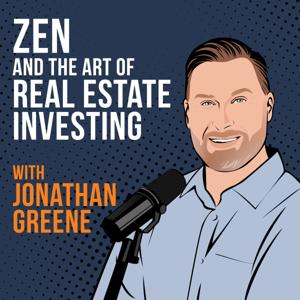


On this episode of Zen and the Art of Real Estate Investing, Jonathan Greene breaks down why most of his recent personal real estate deals have failed, despite decades of experience and a long track record of successful transactions. In this solo episode, he walks through several real deals that fell apart and explains the mindset behind why he chose to walk away from each one.
Jonathan shares how his perspective on investing has shifted as he has become more selective, emphasizing the difference between wanting a deal and actually needing one. He explains how inspections, unexpected costs, and changing assumptions often reveal risks that weren't visible at the outset, and why he is always willing to cancel a deal when the numbers or circumstances no longer make sense.
The episode also explores how negotiation style, ego, and pricing influence outcomes. Jonathan reflects on moments where he may have pushed too hard, as well as deals where walking away was clearly the right decision. Through examples ranging from mixed-use commercial properties to a short-term rental impacted by a natural disaster, he highlights how external factors and new information can quickly change an investment thesis.
For investors, this episode reinforces that failed deals are not mistakes but part of the process. By staying disciplined, unemotional, and willing to walk away, investors can avoid bad outcomes and focus on better opportunities.
In this episode, you will hear:
Why most of Jonathan's recent personal real estate deals have failed
The difference between wanting a deal and actually needing one
How inspections and unexpected costs can derail a transaction
Why being willing to walk away is a critical investing skill
How negotiation style and pricing influence deal outcomes
The impact of external events on an investment thesis
Follow and Review
If you enjoy the show, please follow Zen and the Art of Real Estate Investing on Apple Podcasts and leave a rating and review. It helps other listeners discover these conversations and supports the show's growth.
Connect with Jonathan:
Website: www.streamlined.properties
Website: https://www.trustgreene.com/
YouTube: https://www.youtube.com/jonathangreenere
Instagram: www.instagram.com/trustgreene
Instagram: www.instagram.com/streamlinedproperties
Zillow: www.zillow.com/profile/streamlinenj
Bigger Pockets: www.biggerpockets.com/users/jonathangreene
Facebook: www.facebook.com/streamlinedproperties
Email: [email protected]
This episode was produced by Outlier Audio.
On this episode of Zen and the Art of Real Estate Investing, Jonathan Greene sits down with Jason Hartman, CEO of Empowered Investor and a longtime real estate investor with experience across multiple markets and thousands of transactions. Jason shares his perspective on today's housing environment, from higher interest rates to constrained inventory, and explains why these conditions require patience, discipline, and a long-term mindset.
The conversation centers on how investors should think about real estate in a slower, more uncertain market cycle. Jason emphasizes that much of real estate's return is not immediately visible—what he describes as the "iceberg effect"—where appreciation and cash flow are only part of the picture, while loan paydown, tax advantages, and inflation-driven debt reduction happen quietly over time. He also highlights how market conditions, including limited supply and a growing pool of sidelined buyers, could create future pressure on prices when rates eventually decline.
Jonathan and Jason also explore the importance of execution over information. While many investors spend time consuming content and analyzing deals, Jason reinforces that real learning comes from action. They discuss how real estate remains an "imperfect market," where investors can create value, adjust strategies, and improve outcomes over time—unlike more passive asset classes. The discussion also touches on the importance of surrounding yourself with the right people, understanding local markets, and focusing on consistent, repeatable decisions rather than chasing quick wins.
For investors, this episode is a reminder that success in real estate is built through consistency, not timing. Staying active in the market, even during slower periods, allows you to benefit from long-term trends, build experience, and position yourself ahead of future cycles when competition increases.
In this episode, you will hear:
Why much of real estate's return comes from factors investors don't immediately see
How inflation and long-term debt can work in favor of property owners
Why waiting for perfect timing often leads to more competition and higher prices
The difference between learning about real estate and actually doing it
How supply constraints and sidelined buyers could impact future pricing
Why consistency and execution matter more than chasing short-term wins
Follow and Review
If you enjoy the show, please follow Zen and the Art of Real Estate Investing on Apple Podcasts and leave a rating and review. It helps other listeners discover these conversations and supports the show's growth.
Supporting Resources
Connect with Jason Hartman:
Website: https://www.jasonhartman.com/
Youtube: https://www.youtube.com/@JasonHartmanEmpoweredInvestor
Facebook: https://www.facebook.com/jason.hartman
Instagram: https://www.instagram.com/jasonhartman1/
Linkedin: https://www.linkedin.com/in/jasonhartmaninvestor/
Twitter: https://x.com/JasonHartmanROI
Connect with Jonathan:
Website: www.streamlined.properties
Website: https://www.trustgreene.com/
You Tube: https://www.youtube.com/jonathangreenere
Instagram: www.instagram.com/trustgreene
Instagram: www.instag.ram.com/streamlinedproperties
Zillow: www.zillow.com/profile/streamlinenj
Bigger Pockets: www.biggerpockets.com/users/jonathangreene
Facebook: www.facebook.com/streamlinedproperties
Email: [email protected]
This episode was produced by Outlier Audio.
On this episode of Zen and the Art of Real Estate Investing, Jonathan Greene sits down with Jennifer Grimes, founder of Country House Realty and Red Cottage Inc., to discuss how she built a short-term rental business before it was widely recognized as an industry. Starting with a single weekend home in upstate New York, Jennifer shares how an impulsive purchase turned into a growing portfolio and eventually a company managing dozens of properties.
The conversation explores the early days of short-term rentals, when platforms like Airbnb were just emerging and most bookings came from Craigslist and direct marketing. Jennifer explains how timing, the 2008 financial crisis, and shifting travel behavior helped fuel demand, allowing her to scale Red Cottage into a 75-property operation while also launching her brokerage.
Listeners will also hear a candid discussion about the realities of short-term rental investing, including operational challenges, pricing complexity, and increasing regulation. Jennifer shares lessons from growing and selling her company, along with insights into today's market and what investors often misunderstand about owning and managing rental properties.
In this episode, you will hear:
How Jennifer built a rental business from a single weekend property
What it was like operating before Airbnb became mainstream
How early marketing strategies helped grow Red Cottage
Lessons from navigating the 2008 financial crisis
How COVID reshaped demand for short-term rentals
Why many investors underestimate the work involved in rentals
Follow and Review
If you enjoy the show, please follow Zen and the Art of Real Estate Investing on Apple Podcasts and leave a rating and review. It helps other listeners discover these conversations and supports the show's growth.
Supporting Resources
Connect with Jennifer
Website: http://countryhouserealty.com/
Youtube: https://www.youtube.com/@countryhouserealty/featured
Facebook: https://www.facebook.com/countryhouserealty
Instagram: https://www.instagram.com/countryhouserealty/
LinkedIn: http://www.linkedin.com/in/jennifergrimes1
Connect with Jonathan:
Website: www.streamlined.properties
Website: https://www.trustgreene.com/
YouTube: https://www.youtube.com/jonathangreenere
Instagram: www.instagram.com/trustgreene
Instagram: www.instagram.com/streamlinedproperties
Zillow: www.zillow.com/profile/streamlinenj
Bigger Pockets: www.biggerpockets.com/users/jonathangreene
Facebook: www.facebook.com/streamlinedproperties
Email: [email protected]
This episode was produced by Outlier Audio.
On this episode of Zen and the Art of Real Estate Investing, Jonathan Greene interviews Brandon Cobb, CEO of HBG Capital and founder of Land Development Accelerator. Brandon shares how he went from an unexpected job loss to building a real estate business focused on land development, entitlement, and scaling into larger, more strategic deals.
Brandon explains why land investing remains less saturated than other real estate niches and how many investors overlook it in favor of more visible strategies like house flipping. He breaks down the progression from flipping houses to building homes and eventually shifting into land development, highlighting how each stage builds the skills needed to operate at a higher level.
The conversation also explores the mechanics behind land entitlement and development, including how to identify opportunities by reverse engineering what large homebuilders are already doing. Brandon shares how a more targeted, relationship-driven approach replaces traditional high-volume marketing, and why understanding the approval process and working with the right professionals can significantly reduce risk.
For investors, this episode reinforces that real estate is a long game built on progression, not shortcuts. Larger opportunities often come from layering new strategies onto an existing foundation, and those who focus on building skills, relationships, and consistent deal flow are better positioned to create long-term wealth through fewer, more impactful deals.
In this episode, you will hear:
Why land investing is often less competitive than other real estate strategies
How Brandon transitioned from house flipping to large-scale land development
The key differences between high-volume marketing and targeted land acquisition
How to identify development opportunities by following major homebuilders
Why entitlement and approval processes create barriers to entry
How land development can serve as a long-term wealth-building strategy
Follow and Review If you enjoy the show, please follow Zen and the Art of Real Estate Investing on Apple Podcasts and leave a rating and review. It helps other listeners discover these conversations and supports the show's growth.
This episode was produced by Outlier Audio.
Supporting Resources
Connect with Brandon Cobb
Website: https://www.hbgcapital.net/
Youtube: https://www.youtube.com/@hbgcapital662
Facebook: https://www.facebook.com/hbgcapital
Instagram: https://www.instagram.com/hbgcapital/
LinkedIn: https://www.linkedin.com/in/hbgcapital/
Land Development Accelerator: https://learnlanddevelopment.com/
Connect with Jonathan:
Website: www.streamlined.properties
Website: https://www.trustgreene.com/
YouTube: https://www.youtube.com/jonathangreenere
Instagram: www.instagram.com/trustgreene
Instagram: www.instagram.com/streamlinedproperties
Zillow: www.zillow.com/profile/streamlinenj
Bigger Pockets: www.biggerpockets.com/users/jonathangreene
Facebook: www.facebook.com/streamlinedproperties
Email: [email protected]
This episode was produced by Outlier Audio.
On this episode of Zen and the Art of Real Estate Investing, Jonathan Greene breaks down how to tell the difference between a guru and a mentor in the real estate investing space. Drawing from his own experiences with masterminds, courses, and industry trends, Jonathan explains why this distinction matters for investors at every level—not just beginners.
He explores how the rise of online courses and communities has made it easier than ever to access education, but also harder to evaluate quality and intent. Jonathan emphasizes that many programs—good or bad—contain useful information, and that success often comes down to how individuals engage with the material and the people around them.
The conversation highlights key warning signs of guru-driven programs, including heavy sales tactics, MLM-style recruitment structures, and constant upselling. In contrast, Jonathan explains that true mentorship is built on genuine relationships, aligned incentives, and a willingness to help without always requiring payment.
Ultimately, Jonathan argues that the real value of any mastermind or community lies in the relationships you build within it. By focusing on like-minded peers and applying the material consistently, investors can still succeed—even if the program itself isn't perfect.
In this episode, you will hear:
The key differences between a guru and a mentor
Why MLM-style recruiting is a major red flag in real estate programs
How expectations and user behavior impact success in masterminds
Why relationships inside a community matter more than the leader
The pros and cons of courses, retreats, and large conferences
How pricing and sales tactics can influence perceived value
Why smaller, high-touch groups often deliver better results
Follow and Review If you enjoy the show, please follow Zen and the Art of Real Estate Investing on Apple Podcasts and leave a rating and review. It helps other listeners discover these conversations and supports the show's growth.
This episode was produced by Outlier Audio.
Supporting Resources
Connect with Jonathan:
Website: www.streamlined.properties
Website: https://www.trustgreene.com/
YouTube: https://www.youtube.com/jonathangreenere
Instagram: www.instagram.com/trustgreene
Instagram: www.instagram.com/streamlinedproperties
Zillow: www.zillow.com/profile/streamlinenj
Bigger Pockets: www.biggerpockets.com/users/jonathangreene
Facebook: www.facebook.com/streamlinedproperties
Email: [email protected]
This episode was produced by Outlier Audio.
On this episode of Zen and the Art of Real Estate Investing, Jonathan Greene interviews Bob Knakal, chairman and CEO of BKREA and a longtime leader in New York City commercial real estate. With more than four decades of experience and over 2,000 building sales, Bob shares how deep market knowledge, relationships, and data have driven his success in one of the world's most complex real estate markets.
Bob explains why real estate is fundamentally an information and relationship-based business and how tools like his "map room" and proprietary datasets give him a competitive edge. He discusses the evolution of the industry from analog processes to AI-driven insights, emphasizing that while technology has changed dramatically, the core principles of success remain the same.
The conversation also explores the realities of New York City development, including zoning, tax abatements, and the growing trend of office-to-residential conversions. Bob breaks down how public policy directly impacts real estate outcomes, why certain incentives drive development behavior, and how misaligned legislation can unintentionally reduce housing supply.
For investors and developers, this episode highlights the importance of specialization, discipline, and long-term optimism. Bob shares the key traits he sees in top performers and offers practical advice for anyone looking to enter the development space, from building the right team to truly understanding your market before making your first deal.
In this episode, you will hear:
Why real estate is ultimately an information and relationship business
The three traits shared by top real estate brokers
How specialization in a small market niche creates a competitive edge
The impact of zoning, tax abatements, and public policy on development
Why office-to-residential conversions are accelerating in New York City
The biggest mistakes new developers make and how to avoid them
Follow and Review If you enjoy the show, please follow Zen and the Art of Real Estate Investing on Apple Podcasts and leave a rating and review. It helps other listeners discover these conversations and supports the show's growth.
Supporting Resources
Connect with Bob:
Website: https://bobknakal.com/
Youtube: https://www.youtube.com/@bobknakalnyc
Facebook: https://www.facebook.com/BobKnakalNYC
Instagram: https://www.instagram.com/bobknakalnyc/
LinkedIn: https://www.linkedin.com/in/bobknakal/
Twitter: https://x.com/BobKnakal
BKREA: https://www.bkrea.com/
Selling Buildings Book: https://go.massimo-group.com/selling-buildings
Connect with Jonathan:
Website: www.streamlined.properties
Website: https://www.trustgreene.com/
YouTube: https://www.youtube.com/jonathangreenere
Instagram: www.instagram.com/trustgreene
Instagram: www.instagram.com/streamlinedproperties
Zillow: www.zillow.com/profile/streamlinenj
Bigger Pockets: www.biggerpockets.com/users/jonathangreene
Facebook: www.facebook.com/streamlinedproperties
Email: [email protected]
This episode was produced by Outlier Audio.
On this episode of Zen and the Art of Real Estate Investing, Jonathan Greene breaks down what it actually means to be ready to invest in real estate and why so many investors sabotage themselves right after getting an offer accepted. He shares his frustration with a growing pattern of buyers who do the work to win deals, only to panic, second-guess, and ultimately walk away from strong opportunities.
Jonathan explains that readiness goes far beyond getting pre-approved. While having finances in order, reserves set aside, and a clear understanding of costs is critical, the real differentiator is confidence. He emphasizes the importance of trusting your team, including your agent and lender, and warns that constantly seeking validation from friends, family, or AI tools signals a lack of readiness that can derail deals.
The conversation also explores the emotional side of investing. Jonathan highlights how fear, outside opinions, and overanalysis can lead to meltdowns that waste time for everyone involved and damage relationships. He encourages investors to be honest with themselves about whether they are truly prepared to move forward or just testing the waters without commitment.
Ultimately, this episode is about personal accountability. Jonathan challenges listeners to evaluate their mindset, build a trusted team, and develop the confidence needed to follow through. For those who are ready, real estate can be a powerful wealth-building tool—but only if they are willing to act decisively and trust the process.
In this episode, you will hear:
Why getting pre-approved is only one piece of being truly ready to invest
The role confidence plays in successfully closing real estate deals
How relying on the wrong voices can derail otherwise strong opportunities
Why trust in your agent and lender is essential to moving forward
The importance of having reserves and understanding total costs
How to recognize whether you are actually ready or just "getting ready to get ready"
Follow and Review If you enjoy the show, please follow Zen and the Art of Real Estate Investing on Apple Podcasts and leave a rating and review. It helps other listeners discover these conversations and supports the show's growth.
Connect with Jonathan:
Website: www.streamlined.properties
Website: https://www.trustgreene.com/
YouTube: https://www.youtube.com/jonathangreenere
Instagram: www.instagram.com/trustgreene
Instagram: www.instagram.com/streamlinedproperties
Zillow: www.zillow.com/profile/streamlinenj
Bigger Pockets: www.biggerpockets.com/users/jonathangreene
Facebook: www.facebook.com/streamlinedproperties
Email: [email protected]
This episode was produced by Outlier Audio.
On this episode of Zen and the Art of Real Estate Investing, Jonathan Greene interviews Justin Ford, director of safety and certification programs at Breezeway and a leading expert in short-term rental safety. Justin shares how a life-altering incident in one of his own properties led him to focus full-time on improving safety standards across the industry.
Justin explains that the biggest risks in short-term rentals are often overlooked, with slips, trips, and falls making up the majority of incidents—not fires or other dramatic events. He highlights how common amenities like hot tubs, bunk beds, decks, and fire pits can create serious liability if not properly managed, and emphasizes that most properties fall short of even basic safety standards. Through real-world examples, Justin shows how small oversights can lead to major consequences for both guests and operators.
The conversation also explores how prioritizing safety can become a competitive advantage. Properties that clearly communicate safety measures tend to attract higher-quality guests, reduce liability, and perform better over the long term. Justin introduces the concept of proactive safety systems, including checklists, documentation, and inspections, as essential tools for professional operators.
For investors, this episode reinforces that safety is not just a compliance issue but a strategic one. By implementing proper systems and thinking like a first-time guest, operators can protect their investment, improve the guest experience, and future-proof their business against increasing regulation.
In this episode, you will hear:Why slips, trips, and falls are the most common short-term rental injuries
How one safety incident reshaped Justin's entire career
The hidden risks behind popular amenities like hot tubs and bunk beds
How safety-focused properties attract better guests and fewer issues
Why documentation and checklists can protect you in lawsuits
How to evaluate your property through the lens of a first-time guest
If you enjoy the show, please follow Zen and the Art of Real Estate Investing on Apple Podcasts and leave a rating and review. It helps other listeners discover these conversations and supports the show's growth.
This episode was produced by Outlier Audio.
Supporting Resources
Connect with Justin
Website: http://breezeway.io/
Youtube: https://www.youtube.com/@breezewayio
Facebook: https://www.facebook.com/shorttermrentalsafety/
Instagram: https://www.instagram.com/shorttermrentalsafety
LinkedIn: https://www.linkedin.com/in/rentalsafety/
Promo code of 50ZEN for the safety course - https://breezeway.learnworlds.com/
Guide for buying an STR - https://www.breezeway.io/blog/before-you-buy-an-airbnb-property
Connect with Jonathan:
Website: www.streamlined.properties
Website: https://www.trustgreene.com/
YouTube: https://www.youtube.com/jonathangreenere
Instagram: www.instagram.com/trustgreene
Instagram: www.instagram.com/streamlinedproperties
Zillow: www.zillow.com/profile/streamlinenj
Bigger Pockets: www.biggerpockets.com/users/jonathangreene
Facebook: www.facebook.com/streamlinedproperties
Email: [email protected]
This episode was produced by Outlier Audio.
On this episode of Zen and the Art of Real Estate Investing, Jonathan Greene makes the case for why many investors may want to start their real estate journey as passive investors rather than jumping directly into active ownership. Drawing from decades of experience as an active investor and landlord, Jonathan explains how his perspective has evolved and why he now prefers the simplicity and learning opportunities that come with being a limited partner in real estate syndications.
Jonathan breaks down the differences between active and passive investing, explaining how passive investments allow investors to participate in large real estate deals without taking on the operational responsibilities of ownership. He shares examples from his own portfolio, including several multifamily syndications and a wellness hotel development, and describes how evaluating operators, assets, and markets has shaped his investment decisions.
The conversation also highlights the hidden realities of active real estate investing. Jonathan discusses the operational headaches of flipping houses, managing tenants, and running short-term rentals, emphasizing that many investors underestimate the time, stress, and experience required to succeed in those strategies.
For investors with deployable capital but limited time, Jonathan argues that passive investing can offer a powerful alternative. By partnering with experienced operators and investing in carefully selected assets, investors can still benefit from real estate's long-term growth and income potential while focusing their time and energy on their careers, families, and other priorities.
In this episode, you will hear:
Why Jonathan shifted from active real estate investing to passive syndications
The key differences between passive and active real estate investments
How to evaluate operators, assets, and markets before investing in a syndication
Why spreadsheets and projections can be misleading for new investors
The risks and benefits of investing as a limited partner in real estate deals
Why passive investing may be a better starting point for busy professionals
Follow and Review If you enjoy the show, please follow Zen and the Art of Real Estate Investing on Apple Podcasts and leave a rating and review. It helps other listeners discover these conversations and supports the show's growth.
This episode was produced by Outlier Audio.
Supporting Resources
Connect with Jonathan:
Website: www.streamlined.properties
Website: https://www.trustgreene.com/
YouTube: https://www.youtube.com/jonathangreenere
Instagram: www.instagram.com/trustgreene
Instagram: www.instagram.com/streamlinedproperties
Zillow: www.zillow.com/profile/streamlinenj
Bigger Pockets: www.biggerpockets.com/users/jonathangreene
Facebook: www.facebook.com/streamlinedproperties
Email: [email protected]
This episode was produced by Outlier Audio.
On this episode of Zen and the Art of Real Estate Investing, Jonathan Greene interviews James Faillettaz, founder and CEO of Verus Praedium Holding. James oversees multiple real estate businesses, including brokerage, property management, acquisitions, and leasing, and shares how building an interconnected platform has helped him grow his portfolio and create opportunities across different parts of the industry.
Jonathan and James explore the operational realities of running several real estate businesses at once and why property management is often the most challenging part of the business. James explains how managing subsidized housing and diverse tenant situations requires empathy, adaptability, and strong systems. They also discuss how organizational structure and long-term planning help companies scale without constantly rebuilding their internal processes.
The conversation also dives into the culture of multifamily properties and how small operational issues can quickly compound if they are not addressed. James shares how the "broken window theory" applies to property management and why maintaining standards across buildings is essential as a portfolio grows. The discussion highlights how leadership, consistency, and attention to detail can dramatically change the environment and performance of a property.
In this episode, you will hear:
Why property management is often the hardest part of running a real estate business
How owning multiple real estate businesses can create operational advantages
The importance of planning a company structure with long-term growth in mind
How building culture can improve the performance of multifamily properties
Lessons from scaling a portfolio while maintaining operational standards
Why small operational problems can compound if they are ignored
Follow and Review
If you enjoy the show, please follow Zen and the Art of Real Estate Investing on Apple Podcasts and leave a rating and review. It helps other listeners discover these conversations and supports the show's growth.
Supporting Resources
Connect with James
Website: https://revolutionrealtymn.com/
Facebook: https://www.facebook.com/p/Revolution-Realty-Group-61574230950443/
Instagram: https://www.instagram.com/revolutionrealtygroupmn/
Connect with Jonathan:
Website: www.streamlined.properties
Website: https://www.trustgreene.com/
YouTube: https://www.youtube.com/jonathangreenere
Instagram: www.instagram.com/trustgreene
Instagram: www.instagram.com/streamlinedproperties
Zillow: www.zillow.com/profile/streamlinenj
Bigger Pockets: www.biggerpockets.com/users/jonathangreene
Facebook: www.facebook.com/streamlinedproperties
Email: [email protected]
This episode was produced by Outlier Audio.
From the publisher's feed

16,702 Listeners
991 Listeners
828 Listeners
959 Listeners
407 Listeners

11 Listeners
511 Listeners

3 Listeners
616 Listeners
144 Listeners

697 Listeners

1,813 Listeners

318 Listeners
131 Listeners

893 Listeners
841 Listeners
697 Listeners

14 Listeners