
Sign up to save your podcasts
Or

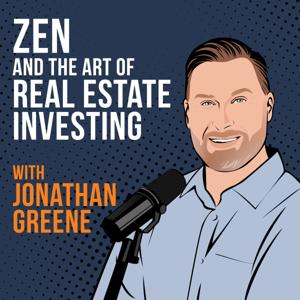


On this episode of Zen and the Art of Real Estate Investing, Jonathan Greene sits down with Jeff Hurst, CEO of Furnished Finder, to explore the fast-growing world of midterm rentals and why they're becoming an increasingly attractive option for both renters and real estate investors. Jeff explains how monthly furnished rentals serve professionals, relocating families, and healthcare workers—distinctly different from traditional short-term vacation rentals.
The conversation breaks down why midterm rentals often deliver better cash flow than long-term rentals with far less operational intensity than short-term rentals. Jeff also shares insights from Furnished Finder's first-of-its-kind housing market report, created in partnership with AirDNA, revealing just how durable and widespread demand for monthly rentals has become across the U.S.
Listeners will walk away with a clearer understanding of where midterm rentals fit between long-term and short-term housing, how investors are discovering this niche, and why this category may continue to grow as housing affordability, mobility, and lifestyle preferences evolve.
In this episode, you will hear:Why midterm rentals serve a fundamentally different tenant base than short-term rentals
How furnished monthly rentals can outperform long-term rentals with less management
Key insights from the Furnished Finder and AirDNA housing market report
Why hospitals, universities, and commuter corridors are strong midterm rental locations
How investors can reduce risk by underwriting midterm rentals as long-term deals
If you enjoy the show, please follow Zen and the Art of Real Estate Investing on Apple Podcasts and leave a rating and review. It helps other listeners discover these conversations and supports the show's growth.
Supporting ResourcesConnect with Jeff:
Website: http://www.furnishedfinder.com/
Youtube: https://www.youtube.com/@FurnishedFinder
Facebook: https://www.facebook.com/FURNISHEDFINDER
Instagram: https://www.instagram.com/furnishedfinder/
LinkedIn: https://www.linkedin.com/company/furnished-finder/
The Report: https://www.furnishedfinder.com/resources/monthly-rental-market-trends-report
Connect with Jonathan:
Website - www.streamlined.properties
YouTube - www.youtube.com/c/JonathanGreeneRE/videos
Instagram - www.instagram.com/trustgreene
Instagram - www.instagram.com/streamlinedproperties
Zillow - www.zillow.com/profile/streamlinenj
Bigger Pockets - www.biggerpockets.com/users/jonathangreene
Facebook - www.facebook.com/streamlinedproperties
Email - [email protected]
This episode was produced by Outlier Audio.
On this episode of Zen and the Art of Real Estate Investing, Jonathan Greene is joined by Jonathan Iger, CEO of Sage Realty Corporation, to explore how a 100-year-old, family-owned real estate company is redefining the modern office experience. Drawing on Sage's deep roots in New York City office development, Jonathan explains how brand, hospitality, and operational excellence can drive higher tenant retention and long-term value creation.
The conversation dives into why office real estate was already changing before COVID, how renewal rates are often misunderstood, and why "experience" has become a core driver of NOI and asset performance. Jonathan also shares how Sage applies hospitality principles like consistency, service recovery, and "surprise and delight" to create differentiated office environments that tenants don't want to leave.
Listeners will gain insight into where the office market is heading, how branded office platforms can create alpha for investors, and why the future of office belongs to owners who treat buildings as long-term relationships rather than short-term transactions.
In this episode, you will hear:How Sage Realty evolved from traditional office ownership into a branded office platform
Why tenant renewal rates are far lower than most underwriting assumptions
The role of hospitality, SOPs, and service recovery in commercial real estate
How experience-driven offices can increase rents, NOI, and long-term asset value
Why office real estate isn't dead, but fundamentally changing
If you enjoy the show, please follow Zen and the Art of Real Estate Investing on Apple Podcasts and leave a rating and review. It helps other listeners discover these conversations and supports the show's growth.
Supporting ResourcesConnect with Jonathan:
Website: https://sagerealty.com/
Instagram: https://www.instagram.com/experience_sage/
LinkedIn: https://www.linkedin.com/company/sage-realty-corporation/
Connect with Jonathan:
Website - www.streamlined.properties
YouTube - www.youtube.com/c/JonathanGreeneRE/videos
Instagram - www.instagram.com/trustgreene
Instagram - www.instagram.com/streamlinedproperties
Zillow - www.zillow.com/profile/streamlinenj
Bigger Pockets - www.biggerpockets.com/users/jonathangreene
Facebook - www.facebook.com/streamlinedproperties
Email - [email protected]
This episode was produced by Outlier Audio.
On this episode of Zen and the Art of Real Estate Investing, Jonathan Greene is joined by Stuart Gethner, a longtime real estate investor, educator, and connector who has spent decades helping investors move from analysis into action. Stuart shares insights from his experience coaching investors and building his own portfolio across multiple market cycles.
The conversation centers on why real estate is ultimately a people business. Stuart explains how networking, local market knowledge, and face-to-face relationships help investors avoid costly mistakes—especially when investing out of state or relying too heavily on online education. He and Jonathan discuss the limits of "YouTube University" and why real confidence comes from real conversations with experienced investors.
Jonathan and Stuart also dive into partnerships, property management, and investor self-awareness. From understanding your personal strengths to building complementary partnerships and avoiding shiny object syndrome, the episode emphasizes patience, humility, and long-term thinking as foundations for sustainable investing success.
In this episode, you will hear:Why networking groups accelerate investor confidence and clarity
The risks of relying solely on online education without local insight
How partnerships work best when both sides have equal skin in the game
Why investing close to home often reduces operational risk
How patience and long-term thinking outperform "get rich quick" strategies
If you enjoy the show, please follow Zen and the Art of Real Estate Investing on Apple Podcasts and leave a rating and review. It helps other listeners discover these conversations and supports the show's growth.
Supporting ResourcesConnect with Stuart:
Website: http://www.stuartgethner.com/
Youtube: https://www.youtube.com/@StuartGethner
Facebook: https://www.facebook.com/people/Gethner-Education-Consulting/61578852277422/
Instagram: https://www.instagram.com/stuartgethner
LinkedIn: http://linkedin.com/in/stuartgethner/
TikTok: https://www.tiktok.com/@stuart_gethner
Connect with Jonathan:
Website - www.streamlined.properties
YouTube - www.youtube.com/c/JonathanGreeneRE/videos
Instagram - www.instagram.com/trustgreene
Instagram - www.instagram.com/streamlinedproperties
Zillow - www.zillow.com/profile/streamlinenj
Bigger Pockets - www.biggerpockets.com/users/jonathangreene
Facebook - www.facebook.com/streamlinedproperties
Email - [email protected]
This episode was produced by Outlier Audio.
On this episode of Zen and the Art of Real Estate Investing, Jonathan Greene sits down with Nick Corwin, founder of Oak and Ember, to explore what it really looks like to move from long-term rentals into short-term hospitality and eventually into ground-up development. Nick shares how an engineering mindset, strong mentorship, and disciplined downside analysis shaped his early investing decisions.
The conversation traces Nick's evolution from owning Midwest long-term rentals to building unique short-term experiences in the Wisconsin Dells. He explains why chasing the middle of the market can be a losing strategy, how combining units and serving overlooked guest segments created an edge, and why operating short-term rentals requires far more systems and empathy than most investors expect.
Jonathan and Nick also unpack the realities of entitlement risk, zoning battles, and development timelines. Nick offers a candid look at what it takes to push a project through local approvals, manage rising costs, and stay grounded when timelines and budgets inevitably expand.
In this episode, you will hear:Why testing whether you even like being a landlord matters before scaling
How Nick identified underserved short-term rental niches instead of competing in crowded markets
The operational differences between long-term rentals and hospitality businesses
Lessons learned from zoning, entitlement hurdles, and community resistance
Why doubling both your budget and timeline can save you from painful surprises
If you enjoy the show, please follow Zen and the Art of Real Estate Investing on Apple Podcasts and leave a rating and review. It helps other listeners discover these conversations and supports the show's growth.
Supporting ResourcesConnect with Nick:
Website: http://www.stayoakandember.com/
Youtube: https://www.youtube.com/@Korwinning
Instagram: https://www.instagram.com/korwinning/
LinkedIn: https://www.linkedin.com/in/korwinning/
TikTok: https://www.tiktok.com/@korwinning
Connect with Jonathan:
Website - www.streamlined.properties
YouTube - www.youtube.com/c/JonathanGreeneRE/videos
Instagram - www.instagram.com/trustgreene
Instagram - www.instagram.com/streamlinedproperties
Zillow - www.zillow.com/profile/streamlinenj
Bigger Pockets - www.biggerpockets.com/users/jonathangreene
Facebook - www.facebook.com/streamlinedproperties
Email - [email protected]
This episode was produced by Outlier Audio.
On this episode of Zen and the Art of Real Estate Investing, Jonathan Greene sits down with Bri West, co-founder of Somerled Designs, to explore how strategic design has become a competitive advantage in today's short-term rental market. Drawing on her background in marketing and real estate investing, Bri explains why design should be treated as a revenue-driving investment rather than a cosmetic expense.
The conversation dives into how niching down on a clear guest avatar, using data to guide design decisions, and prioritizing high-impact spaces can dramatically increase ADR—even if occupancy is lower. Bri also shares insights from managing and designing hundreds of short-term rentals nationwide, including common mistakes investors make, how to think about amenities and bed configurations, and why lifestyle photography and branding are no longer optional.
Listeners will come away with a clearer framework for evaluating short-term rental opportunities, aligning design with long-term investment goals, and standing out in increasingly saturated markets.
In this episode, you will hear:Why short-term rental design should start with data and investment strategy, not personal taste
How niching down on a specific guest experience can outperform "general" properties
The role of amenities, durability, and bed layout in guest satisfaction and reviews
Why branding and lifestyle photography directly impact bookings and pricing power
How to think about long-term competitiveness as markets become more saturated
Follow and Review If you enjoy the show, please follow Zen and the Art of Real Estate Investing on Apple Podcasts and leave a rating and review. It helps other listeners discover these conversations and supports the show's growth.
Supporting ResourcesConnect with Bri:
Website: https://www.somerleddesigns.com/
Instagram: https://www.instagram.com/somerled.designs/
LinkedIn: https://www.linkedin.com/company/somerled-designs/
Connect with Jonathan:
Website - www.streamlined.properties
YouTube - www.youtube.com/c/JonathanGreeneRE/videos
Instagram - www.instagram.com/trustgreene
Instagram - www.instagram.com/streamlinedproperties
Zillow - www.zillow.com/profile/streamlinenj
Bigger Pockets - www.biggerpockets.com/users/jonathangreene
Facebook - www.facebook.com/streamlinedproperties
Email - [email protected]
This episode was produced by Outlier Audio.
On this episode of Zen and the Art of Real Estate Investing, Jonathan Greene sits down with Ash Patel, a commercial real estate investor with more than 15 years of experience investing beyond multifamily. Ash shares how an early mixed-use deal opened his eyes to the advantages of commercial assets and ultimately reshaped his entire investing approach.
The conversation explores why many commercial assets are misunderstood or overlooked, including office, retail, medical, and mixed-use properties. Ash explains how changing work patterns, suburban growth, and market cycles are creating rare opportunities to acquire high-quality commercial buildings at deep discounts, often well below replacement cost.
Jonathan and Ash also dig into the mindset required to succeed in real estate, the dangers of chasing trends promoted on social media, and why newer investors may benefit from escaping overcrowded asset classes. This episode offers a grounded look at how flexibility, curiosity, and long-term thinking can open doors to less competitive—and often more resilient—investment opportunities.
In this episode, you will hear:How Ash transitioned from residential and mixed-use into commercial real estate
Why office, retail, and medical assets are misunderstood by many investors
How market cycles create opportunities across different commercial asset classes
The risks of following social-media-driven investment trends
Why parking, location, and tenant mix matter more than asset labels
How mindset plays a larger role than mechanics in long-term success
If you enjoy the show, please follow Zen and the Art of Real Estate Investing on Apple Podcasts and leave a rating and review. It helps other listeners discover these conversations and supports the show's growth.
Supporting ResourcesConnect with Ash:
Website: http://www.investbeyondmultifamily.com/
Youtube: https://www.youtube.com/@ashpatel_official
Facebook: https://www.facebook.com/ash.patel.58118
Instagram: https://www.instagram.com/ashpatel_official/
LinkedIn: https://www.linkedin.com/in/ash-patel-95b1a25/
TikTok: https://www.tiktok.com/@ashpatel_official
Connect with Jonathan:
Website - www.streamlined.properties
YouTube - www.youtube.com/c/JonathanGreeneRE/videos
Instagram - www.instagram.com/trustgreene
Instagram - www.instagram.com/streamlinedproperties
Zillow - www.zillow.com/profile/streamlinenj
Bigger Pockets - www.biggerpockets.com/users/jonathangreene
Facebook - www.facebook.com/streamlinedproperties
Email - [email protected]
This episode was produced by Outlier Audio.
On this episode of Zen and the Art of Real Estate Investing, Jonathan Greene sits down with Jennifer Ruelens, a longtime property manager and unapologetic truth-teller in the real estate industry. With more than two decades of hands-on experience, Jennifer shares what buy-and-hold investors often misunderstand about property management, tenant relationships, and the real work required to make rentals perform over time.
The conversation explores why real estate investing is rarely passive, how deferred maintenance and avoidance cost investors far more than management fees, and why many landlords struggle when they underestimate the human side of housing. Jennifer explains how professional property management reduces risk, stabilizes assets, and helps investors focus on long-term wealth rather than short-term cash flow.
Listeners will also hear a candid discussion about ego, DIY investing, family dynamics, and why many investors fail not because of bad deals, but because they avoid hard conversations and responsibility. This episode offers a grounded, experience-driven perspective on what it really takes to succeed with buy-and-hold real estate.
In this episode, you will hear:Why buy-and-hold real estate is a business, not a passive investment
How poor property management decisions erode long-term returns
The true cost of deferred maintenance and conflict avoidance
Why professional management often increases NOI despite added fees
How stabilizing properties protects both tenants and investors
The role of expectations, transparency, and service in tenant retention
If you enjoy the show, please follow Zen and the Art of Real Estate Investing on Apple Podcasts and leave a rating and review. It helps other listeners discover these conversations and supports the show's growth.
Supporting ResourcesConnect with Jen:
Website: https://holditwithpmjen.com/
Youtube: https://www.youtube.com/@holditwithpmjen
Facebook: https://www.facebook.com/HoldItwithPMJen/
Instagram: https://www.instagram.com/holditwithpmjen/
LinkedIn: http://linkedin.com/in/jenniferruelens
TikTok: https://www.tiktok.com/@holditwithpmjen
Connect with Jonathan:
Website - www.streamlined.properties
YouTube - www.youtube.com/c/JonathanGreeneRE/videos
Instagram - www.instagram.com/trustgreene
Instagram - www.instagram.com/streamlinedproperties
Zillow - www.zillow.com/profile/streamlinenj
Bigger Pockets - www.biggerpockets.com/users/jonathangreene
Facebook - www.facebook.com/streamlinedproperties
Email - [email protected]
This episode was produced by Outlier Audio.
Jonathan Greene is joined by August Biniaz, co-founder and CIO of CPI Capital, to explore how early exposure to real estate shaped August's investing philosophy and led him from single-family investing into large-scale multifamily and build-to-rent strategies. August shares how his family's experience with real estate as a hedge against inflation influenced his long-term view on housing and capital preservation.
The conversation dives into the realities of syndication, from learning the GP/LP structure through trial and error to building investor trust, infrastructure, and discipline over time. August explains why CPI focuses on U.S. markets like Tampa and San Antonio, how oversupply cycles create both risk and opportunity, and why patience and underwriting discipline matter more than deal volume.
Jonathan and August also discuss the value of passive investing, especially for professionals who want real estate exposure without taking on a second job. August outlines how investors can think clearly about asset classes, sponsors, and alignment before committing capital, emphasizing that trust and communication are just as important as returns.
In this episode, you will hear:How early family exposure to real estate can shape long-term investing instincts
Why August transitioned from development into real estate private equity
The differences between Canadian and U.S. multifamily investing environments
How CPI evaluates Tampa and San Antonio amid oversupply and shifting demand
Why being a limited partner can be the best education for future operators
What passive investors should consider when choosing asset classes and sponsors
If you enjoy the show, please follow Zen and the Art of Real Estate Investing on Apple Podcasts and leave a rating and review. It helps other listeners discover these conversations and supports the show's growth.
Supporting ResourcesConnect with August:
Website: https://cpicapital.com/
Youtube: https://www.youtube.com/@realestateinvestingdemystified
Facebook: https://www.facebook.com/soheil.biniaz
Instagram: https://www.instagram.com/augustbiniaz/
LinkedIn: https://www.linkedin.com/in/augustbiniaz/
Twitter: https://x.com/CPI_Capital
Connect with Jonathan:
Website - www.streamlined.properties
YouTube - www.youtube.com/c/JonathanGreeneRE/videos
Instagram - www.instagram.com/trustgreene
Instagram - www.instagram.com/streamlinedproperties
Zillow - www.zillow.com/profile/streamlinenj
Bigger Pockets - www.biggerpockets.com/users/jonathangreene
Facebook - www.facebook.com/streamlinedproperties
Email - [email protected]
This episode was produced by Outlier Audio.
On this episode of Zen and the Art of Real Estate Investing, Jonathan Greene sits down with Bob Fraser, bestselling author of Invest Like a Billionaire and CFO and Chief Macro Strategist at Aspen Funds. Bob shares how billionaire investors moved away from traditional 60/40 portfolios toward alternative investments—and why everyday investors can adopt the same mindset without billionaire-level wealth.
Throughout the conversation, Bob explains why professionally managed real estate is often the most approachable entry point into alternatives, especially for investors who want exposure without taking on a second full-time job. He and Jonathan explore the differences between active and passive investing, the importance of aligned partnerships, and why many investors underestimate the operational demands of being a landlord.
The discussion then dives deep into macro-driven investing, with Bob outlining why industrial real estate stands out today due to reshoring trends, logistics demand, and lower construction and operational complexity compared to multifamily. Bob also explains why fund structures can be more efficient than single-asset syndications, offering better capital deployment, diversification, and investor control—especially around taxes and liquidity.
In this episode, you will hear:
Why billionaires shifted away from traditional portfolios toward alternatives
How everyday investors can think like billionaires without massive capital
The difference between active real estate and truly passive investing
Why industrial real estate is outperforming multifamily in the current cycle
How fund structures can improve diversification, tax efficiency, and liquidity
What macro trends Bob looks for when evaluating alternative investments
Follow and Review If you enjoy the show, please follow Zen and the Art of Real Estate Investing on Apple Podcasts and leave a rating and review. It helps other listeners discover these conversations and supports the show's growth.
Supporting ResourcesConnect with Bob:
Website: http://aspenfunds.us/
Instagram: https://www.instagram.com/aspenfunds
LinkedIn: https://www.linkedin.com/in/bobfraser10/
Connect with Jonathan:
Website - www.streamlined.properties
YouTube - www.youtube.com/c/JonathanGreeneRE/videos
Instagram - www.instagram.com/trustgreene
Instagram - www.instagram.com/streamlinedproperties
Zillow - www.zillow.com/profile/streamlinenj
Bigger Pockets - www.biggerpockets.com/users/jonathangreene
Facebook - www.facebook.com/streamlinedproperties
Email - [email protected]
This episode was produced by Outlier Audio.
On this episode of Zen and the Art of Real Estate Investing, Jonathan Greene sits down with Greg Trotter, CEO and founder of Commercial Building Consultants, to unpack what real estate investors often miss during commercial due diligence. With over 40 years of experience in construction, inspections, and forensic building analysis, Greg explains how his role is to act as a "bodyguard" for investors—protecting their equity by identifying real risks before they close.
Greg walks through how property condition assessments should align with an investor's hold period and exit strategy, why cosmetic upgrades are often a distraction, and how overlooked systems like roofs, drainage, lift stations, and life-safety infrastructure can quietly derail deals. He also shares stories from projects across the U.S. and beyond, highlighting how climate, weather events, deferred maintenance, and operational blind spots create long-term financial consequences.
Listeners will gain a deeper understanding of why transparency, conservative planning, and honest reporting matter more than optimism in underwriting—and how knowing the full story of a building can protect both operators and investors from costly surprises down the line.
In this episode, you will hear:How Greg's construction background led him into commercial inspection and consulting
Why due diligence must account for hold period, capex timing, and exit strategy
Commonly overlooked risks like drainage, roofing, lift stations, and life-safety systems
How deferred maintenance compounds into multimillion-dollar problems
Why weather events, storm surge, and climate risks are changing how buildings must be evaluated
The difference between cosmetic improvements and protecting long-term asset value
Follow and Review If you enjoy the show, please follow Zen and the Art of Real Estate Investing on Apple Podcasts and leave a rating and review. It helps other listeners discover these conversations and supports the show's growth.
Supporting ResourcesConnect with Greg
Website: http://thecbcteam.com/
LinkedIn: https://www.linkedin.com/in/thebuildingguy/
Connect with Jonathan:
Website - www.streamlined.properties
YouTube - www.youtube.com/c/JonathanGreeneRE/videos
Instagram - www.instagram.com/trustgreene
Instagram - www.instagram.com/streamlinedproperties
Zillow - www.zillow.com/profile/streamlinenj
Bigger Pockets - www.biggerpockets.com/users/jonathangreene
Facebook - www.facebook.com/streamlinedproperties
Email - [email protected]
This episode was produced by Outlier Audio.
From the publisher's feed

16,700 Listeners
991 Listeners

828 Listeners
959 Listeners

407 Listeners

11 Listeners

511 Listeners

3 Listeners

616 Listeners
144 Listeners

697 Listeners

1,814 Listeners

317 Listeners
131 Listeners

893 Listeners
841 Listeners
697 Listeners

14 Listeners