
Sign up to save your podcasts
Or

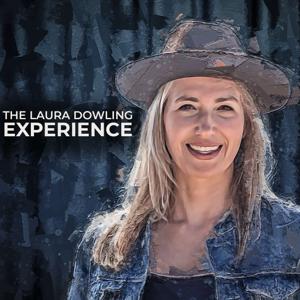

In this episode, Michelle Flynn shares her deeply personal and professional insight into birth trauma, and why it’s not always about what happens, but how it’s experienced.
Drawing on her own journey through pregnancy anxiety and her work as a perinatal psychotherapist, Michelle explains how trauma can live in the nervous system, showing up long after the moment has passed. From hypervigilance and intrusive thoughts to sensory triggers that bring the body straight back into the experience, she breaks down why these reactions happen and what they actually mean.
Together, Michelle and Laura unpack the importance of feeling safe, seen and supported, both for patients and for healthcare professionals. This really comes back to understanding your body and how trauma can show up differently for each of us.
Postnatal Depression
A type of depression that can occur after childbirth, affecting mood, energy, and ability to care for yourself or your baby.
Postnatal Anxiety
A condition involving excessive worry, fear, or intrusive thoughts during the postpartum period.
Obsessive Compulsive Disorder (OCD)
A mental health condition involving intrusive thoughts and repetitive behaviours, which can present during pregnancy or postpartum.
Post-Traumatic Stress Disorder (PTSD)
A condition that can develop after experiencing or witnessing a traumatic event, including childbirth.
Perinatal Mental Health
Mental health during pregnancy and the early years after birth, typically up until a child is around two years old, when individuals may be more vulnerable to anxiety and mood disorders.
Somatic Experiencing (Peter Levine)
A body-based trauma therapy focused on how the nervous system stores and processes traumatic experiences.
The Body Keeps the Score - Dr Bessel van der Kolk
A widely recognised book exploring how trauma is stored in the body and how it can be treated.
EMDR (Eye Movement Desensitisation and Reprocessing)
A psychotherapy approach used to help people process and recover from traumatic memories.
Cognitive Behavioural Therapy (CBT)
A structured therapy that focuses on identifying and changing unhelpful thought and behaviour patterns.
MBRRACE-UK Report
A UK report examining maternal deaths and inequalities, including higher risks among Black and ethnic minority women.
00:00 - What is birth trauma
02:00 - Michelle’s personal pregnancy experience
04:00 - Pregnancy anxiety and early fears
07:30 - Feeling dismissed and unsupported
10:30 - Who is more vulnerable to trauma
20:00 - PTSD in healthcare professionals
24:00 - Communication and consent in care
28:00 - Can trauma be prevented
36:00 - The lemon experiment and body response
45:00 - Understanding somatic therapy
50:00 - Why CBT may not work for trauma
Thanks for listening! You can watch the full episode on YouTube here. Don’t forget to follow The Laura Dowling Experience podcast on Instagram @lauradowlingexperience for updates and more information. You can also follow our host, Laura Dowling, @fabulouspharmacist for more insights and tips. If you enjoyed this episode, please subscribe and leave a review—it really helps us out! Stay tuned for more great conversations.
Hosted on Acast. See acast.com/privacy for more information.
 View all episodes
 By Laura Dowling

4.9
77 ratings
In this episode, Michelle Flynn shares her deeply personal and professional insight into birth trauma, and why it’s not always about what happens, but how it’s experienced.
Drawing on her own journey through pregnancy anxiety and her work as a perinatal psychotherapist, Michelle explains how trauma can live in the nervous system, showing up long after the moment has passed. From hypervigilance and intrusive thoughts to sensory triggers that bring the body straight back into the experience, she breaks down why these reactions happen and what they actually mean.
Together, Michelle and Laura unpack the importance of feeling safe, seen and supported, both for patients and for healthcare professionals. This really comes back to understanding your body and how trauma can show up differently for each of us.
Postnatal Depression
A type of depression that can occur after childbirth, affecting mood, energy, and ability to care for yourself or your baby.
Postnatal Anxiety
A condition involving excessive worry, fear, or intrusive thoughts during the postpartum period.
Obsessive Compulsive Disorder (OCD)
A mental health condition involving intrusive thoughts and repetitive behaviours, which can present during pregnancy or postpartum.
Post-Traumatic Stress Disorder (PTSD)
A condition that can develop after experiencing or witnessing a traumatic event, including childbirth.
Perinatal Mental Health
Mental health during pregnancy and the early years after birth, typically up until a child is around two years old, when individuals may be more vulnerable to anxiety and mood disorders.
Somatic Experiencing (Peter Levine)
A body-based trauma therapy focused on how the nervous system stores and processes traumatic experiences.
The Body Keeps the Score - Dr Bessel van der Kolk
A widely recognised book exploring how trauma is stored in the body and how it can be treated.
EMDR (Eye Movement Desensitisation and Reprocessing)
A psychotherapy approach used to help people process and recover from traumatic memories.
Cognitive Behavioural Therapy (CBT)
A structured therapy that focuses on identifying and changing unhelpful thought and behaviour patterns.
MBRRACE-UK Report
A UK report examining maternal deaths and inequalities, including higher risks among Black and ethnic minority women.
00:00 - What is birth trauma
02:00 - Michelle’s personal pregnancy experience
04:00 - Pregnancy anxiety and early fears
07:30 - Feeling dismissed and unsupported
10:30 - Who is more vulnerable to trauma
20:00 - PTSD in healthcare professionals
24:00 - Communication and consent in care
28:00 - Can trauma be prevented
36:00 - The lemon experiment and body response
45:00 - Understanding somatic therapy
50:00 - Why CBT may not work for trauma
Thanks for listening! You can watch the full episode on YouTube here. Don’t forget to follow The Laura Dowling Experience podcast on Instagram @lauradowlingexperience for updates and more information. You can also follow our host, Laura Dowling, @fabulouspharmacist for more insights and tips. If you enjoyed this episode, please subscribe and leave a review—it really helps us out! Stay tuned for more great conversations.
Hosted on Acast. See acast.com/privacy for more information.

177 Listeners

123 Listeners
42 Listeners

74 Listeners

58 Listeners

89 Listeners

875 Listeners

59 Listeners

41 Listeners

7 Listeners

101 Listeners
44 Listeners

11 Listeners

12 Listeners

5 Listeners