
Sign up to save your podcasts
Or

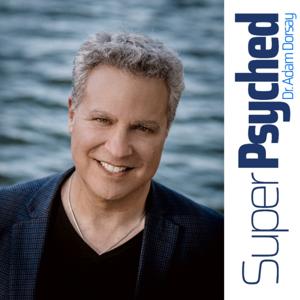

Dr. Adam Dorsay introduces his podcast episode featuring Melissa Orlov, a Harvard-educated expert on ADHD and marriage and author of “The ADHD Effect on Marriage” and “The Couple’s Guide to Thriving with ADHD.” They discuss what adult ADHD is and is not, emphasizing attention dysregulation, distractibility, impulsivity, planning and working-memory difficulties, and emotional dysregulation, along with the hereditary and neurochemical basis (notably low dopamine) and why stimulants can be calming by increasing dopamine availability. Dorsay shares his own late ADHD diagnosis, his first experience taking Ritalin, and how medication helped him build habits and identity-based changes he later maintained without medication.
Orlov describes common, predictable relationship patterns in ADHD-impacted couples, including the “hyperfocus courtship” phase driven by elevated dopamine and the shift after 24–28 months when symptoms become more visible. She outlines the experiences of both partners: the ADHD partner often carries lifelong shame and sensitivity to criticism, while the non-ADHD partner can feel lonely, resentful, and overwhelmed by chaos and perceived lack of follow-through. They explore distractibility and how “new or shiny” can override what is important, and they highlight strengths often associated with ADHD such as creativity, energy, passion, and effective performance in high-stimulation contexts.
Orlov presents a three-stage framework for healing: moving out of denial and learning how ADHD impacts relationships, both partners taking responsibility for their own work, and breaking entrenched patterns such as parent-child dynamics and “symptom-response-response” cycles by reframing symptoms and changing reactions. They address sleep hygiene as foundational, noting sleep deprivation can worsen or mimic ADHD symptoms, and discuss strategies like consistent bedtime routines, “sacred bedtime,” and limiting electronics and blue-light exposure. They also discuss how parent-child dynamics harm sexual connection, the importance of lowering pressure when restarting sex, and improving communication about sex. Orlov closes with the importance of rebuilding trust through transparency and ownership rather than equating trust solely with perfect follow-through, and she names self-compassion and compassion for others as the key skill she would give to everyone.
00:00 Welcome to Dorsay
00:28 ADHD and Marriage Stakes
01:00 Meet Melissa Orlov
03:00 Why ADHD Feels Familiar
04:17 What ADHD Is and Isnt
06:23 Why Stimulants Help
07:38 Adams Diagnosis Story
09:36 Medication Targets and Hope
12:14 Habits and Identity Shifts
13:15 Empathy for Both Partners
14:50 ADHD Partner Childhood Shame
20:13 Non ADHD Partner Experience
22:19 Hyperfocus Courtship Chemistry
24:46 Distractibility in Relationships
26:49 Main Thing Mantra
27:24 Medication to Structure
28:39 ADHD Strengths Kept
30:17 Three Stages Healing
31:29 Breaking Bad Patterns
34:57 Sleep Hygiene Fixes
40:36 Electronics at Bedtime
42:14 Sex and Reconnection
49:06 Rebuilding Trust
54:21 Compassion Magic Skill
55:22 Closing Thanks
Helpful Links:
Melissa Orlov
Melissa Orlov The Couple's Guide to Thriving with ADHD Book
 View all episodes
 By SuperPsyched ©

4.9
167167 ratings
Dr. Adam Dorsay introduces his podcast episode featuring Melissa Orlov, a Harvard-educated expert on ADHD and marriage and author of “The ADHD Effect on Marriage” and “The Couple’s Guide to Thriving with ADHD.” They discuss what adult ADHD is and is not, emphasizing attention dysregulation, distractibility, impulsivity, planning and working-memory difficulties, and emotional dysregulation, along with the hereditary and neurochemical basis (notably low dopamine) and why stimulants can be calming by increasing dopamine availability. Dorsay shares his own late ADHD diagnosis, his first experience taking Ritalin, and how medication helped him build habits and identity-based changes he later maintained without medication.
Orlov describes common, predictable relationship patterns in ADHD-impacted couples, including the “hyperfocus courtship” phase driven by elevated dopamine and the shift after 24–28 months when symptoms become more visible. She outlines the experiences of both partners: the ADHD partner often carries lifelong shame and sensitivity to criticism, while the non-ADHD partner can feel lonely, resentful, and overwhelmed by chaos and perceived lack of follow-through. They explore distractibility and how “new or shiny” can override what is important, and they highlight strengths often associated with ADHD such as creativity, energy, passion, and effective performance in high-stimulation contexts.
Orlov presents a three-stage framework for healing: moving out of denial and learning how ADHD impacts relationships, both partners taking responsibility for their own work, and breaking entrenched patterns such as parent-child dynamics and “symptom-response-response” cycles by reframing symptoms and changing reactions. They address sleep hygiene as foundational, noting sleep deprivation can worsen or mimic ADHD symptoms, and discuss strategies like consistent bedtime routines, “sacred bedtime,” and limiting electronics and blue-light exposure. They also discuss how parent-child dynamics harm sexual connection, the importance of lowering pressure when restarting sex, and improving communication about sex. Orlov closes with the importance of rebuilding trust through transparency and ownership rather than equating trust solely with perfect follow-through, and she names self-compassion and compassion for others as the key skill she would give to everyone.
00:00 Welcome to Dorsay
00:28 ADHD and Marriage Stakes
01:00 Meet Melissa Orlov
03:00 Why ADHD Feels Familiar
04:17 What ADHD Is and Isnt
06:23 Why Stimulants Help
07:38 Adams Diagnosis Story
09:36 Medication Targets and Hope
12:14 Habits and Identity Shifts
13:15 Empathy for Both Partners
14:50 ADHD Partner Childhood Shame
20:13 Non ADHD Partner Experience
22:19 Hyperfocus Courtship Chemistry
24:46 Distractibility in Relationships
26:49 Main Thing Mantra
27:24 Medication to Structure
28:39 ADHD Strengths Kept
30:17 Three Stages Healing
31:29 Breaking Bad Patterns
34:57 Sleep Hygiene Fixes
40:36 Electronics at Bedtime
42:14 Sex and Reconnection
49:06 Rebuilding Trust
54:21 Compassion Magic Skill
55:22 Closing Thanks
Helpful Links:
Melissa Orlov
Melissa Orlov The Couple's Guide to Thriving with ADHD Book
10,522 Listeners

3,348 Listeners
12,754 Listeners
2,529 Listeners
7,995 Listeners
283 Listeners
14,404 Listeners
8,203 Listeners
2,209 Listeners

29,207 Listeners
655 Listeners

2,046 Listeners
1,114 Listeners

19,524 Listeners

1,794 Listeners