
Sign up to save your podcasts
Or

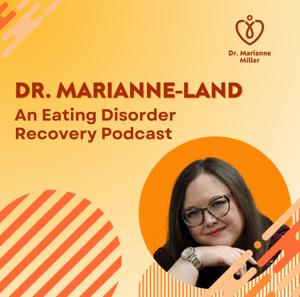

In this solo episode, Dr. Marianne explores how autism shapes eating in ways that many providers overlook. Sensory needs, interoception, routines, and safety all influence how autistic people navigate food. Instead of seeing these challenges as resistance, Dr. Marianne reframes them as intelligent body signals that protect a sensitive nervous system.
Dr. Marianne explains why autistic eating experiences often get misunderstood. She discusses how overwhelming textures, smells, and sounds affect tolerance for certain foods, how interoceptive confusion can disrupt hunger cues, and how predictability reduces chaos during meals. She also explores the deep need for safety and how early food trauma can lead to long-lasting protective patterns.
This episode highlights how autistic people may develop ARFID due to sensory overload, fear, or confusion around internal cues. Dr. Marianne emphasizes the need for neurodivergent affirming care that respects autonomy, consent, and the right to eat in ways that support comfort rather than compliance.
Dr. Marianne also examines intersectionality. Autistic people of color, LGBTQIA+ autistic people, and disabled autistic people often face additional barriers to care and experience higher rates of dismissal. Understanding these intersections helps us provide real support.
Throughout the episode, Dr. Marianne offers a compassionate framework for supporting autistic eating. She centers curiosity, sensory awareness, co-regulation, predictable routines, and respect for safe foods. She encourages listeners to trust their bodies and seek environments that reduce overwhelm instead of increasing it.
How texture, smell, sound, and temperature influence food tolerance and how sensory overwhelm shapes avoidance patterns.
Why autistic people often experience muted or confusing hunger cues and how supportive routines help.
Why sameness offers safety during meals and how routine helps regulate the nervous system.
The long-term effects of force feeding, pressure, and food shame and how safety becomes essential for healing.
How ARFID develops in autistic people and why care must support autonomy, sensory comfort, and consent.
How race, gender, sexuality, class, and disability shape autistic eating experiences and influence the support people receive.
How validation, sensory awareness, predictable rhythms, and co-regulation improve access to nourishment.
In this episode, I discusseeating challenges, restriction patterns, sensory overload, trauma, and ARFID. Please listen gently and take breaks if needed.
This episode is for autistic adults, parents of autistic children, providers who want to offer neurodivergent affirming care, and anyone who wants a deeper understanding of autistic eating experiences. It is also supportive for people exploring ARFID symptoms rooted in sensory needs, trauma histories, or routines that feel protective.
If you want support that honors your sensory needs and your autonomy, you can learn more about my therapy services in California, Texas, and Washington, D.C., as well as global coaching options at drmariannemiller.com. You can also explore my ARFID and selective eating course and my binge eating and bulimia membership for additional tools. You deserve care that meets your body where it is.
 View all episodes
 By mariannemillerphd
5
1212 ratings
In this solo episode, Dr. Marianne explores how autism shapes eating in ways that many providers overlook. Sensory needs, interoception, routines, and safety all influence how autistic people navigate food. Instead of seeing these challenges as resistance, Dr. Marianne reframes them as intelligent body signals that protect a sensitive nervous system.
Dr. Marianne explains why autistic eating experiences often get misunderstood. She discusses how overwhelming textures, smells, and sounds affect tolerance for certain foods, how interoceptive confusion can disrupt hunger cues, and how predictability reduces chaos during meals. She also explores the deep need for safety and how early food trauma can lead to long-lasting protective patterns.
This episode highlights how autistic people may develop ARFID due to sensory overload, fear, or confusion around internal cues. Dr. Marianne emphasizes the need for neurodivergent affirming care that respects autonomy, consent, and the right to eat in ways that support comfort rather than compliance.
Dr. Marianne also examines intersectionality. Autistic people of color, LGBTQIA+ autistic people, and disabled autistic people often face additional barriers to care and experience higher rates of dismissal. Understanding these intersections helps us provide real support.
Throughout the episode, Dr. Marianne offers a compassionate framework for supporting autistic eating. She centers curiosity, sensory awareness, co-regulation, predictable routines, and respect for safe foods. She encourages listeners to trust their bodies and seek environments that reduce overwhelm instead of increasing it.
How texture, smell, sound, and temperature influence food tolerance and how sensory overwhelm shapes avoidance patterns.
Why autistic people often experience muted or confusing hunger cues and how supportive routines help.
Why sameness offers safety during meals and how routine helps regulate the nervous system.
The long-term effects of force feeding, pressure, and food shame and how safety becomes essential for healing.
How ARFID develops in autistic people and why care must support autonomy, sensory comfort, and consent.
How race, gender, sexuality, class, and disability shape autistic eating experiences and influence the support people receive.
How validation, sensory awareness, predictable rhythms, and co-regulation improve access to nourishment.
In this episode, I discusseeating challenges, restriction patterns, sensory overload, trauma, and ARFID. Please listen gently and take breaks if needed.
This episode is for autistic adults, parents of autistic children, providers who want to offer neurodivergent affirming care, and anyone who wants a deeper understanding of autistic eating experiences. It is also supportive for people exploring ARFID symptoms rooted in sensory needs, trauma histories, or routines that feel protective.
If you want support that honors your sensory needs and your autonomy, you can learn more about my therapy services in California, Texas, and Washington, D.C., as well as global coaching options at drmariannemiller.com. You can also explore my ARFID and selective eating course and my binge eating and bulimia membership for additional tools. You deserve care that meets your body where it is.

7,263 Listeners

2,504 Listeners

133 Listeners
281 Listeners
48 Listeners
105 Listeners

367 Listeners

3,848 Listeners

41,562 Listeners

19,718 Listeners

150 Listeners

3,600 Listeners

21 Listeners

8 Listeners