
Sign up to save your podcasts
Or



Based on Podcast App listening data
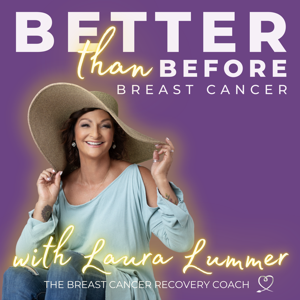
Peripheral neuropathy is one of the most common—and frustrating—side effects of chemotherapy used to treat breast cancer. From numbness and tingling to pain, weakness, and balance issues, it can affect everything from your ability to walk to the simple act of holding a pen or buttoning a shirt.
In this episode of Better Than Before Breast Cancer, we take a closer look at what peripheral neuropathy really is, how it impacts the nervous system, and why it's so common in breast cancer survivors. Most importantly, you'll learn about natural and functional ways to support nerve repair and reduce discomfort, so you can reclaim more freedom and ease in your everyday life.
This episode is for you if:
You're experiencing tingling, numbness, or pain in your hands and feet after treatment
You're struggling with balance, coordination, or fine motor skills
You want to understand how chemo affects your nerves—and what you can do about it
You're looking for evidence-based strategies to support healing without more medications
Follow me on Social Media:
YouTube
Ketogenic diets promise benefits like fat loss, stable energy, brain health, and even cancer prevention. Meanwhile, plant-based eating is backed by decades of research for supporting longevity, reducing inflammation, and protecting against chronic disease. So which one is right for you—especially after breast cancer?
In this episode of Better Than Before Breast Cancer, we explore the strengths of both ketogenic and plant-based nutrition, and introduce a flexible, real-life approach that merges them into one healing path: ketotarian eating. You'll learn how this fusion supports metabolic health, reduces cancer risk, and adapts to your body's changing needs—all without feeling restricted or overwhelmed.
You'll also hear about a great resource to help you start your ketotarian journey with confidence, creativity, and satisfaction.
This episode is for you if:
You're curious about keto, but committed to plant-forward living
You want the cancer-fighting, brain-boosting benefits of both nutrition plans
You're looking for a sustainable, nourishing way to eat that supports long-term healing
You're tired of the nutrition "either/or" mindset and want a strategy that fits your unique lifestyle
Resources:
Studies:
Diabetes and Breast Cancer Risk
Websites:
2018 Food and Health Survey
Glycemic Index Chart
Books:
Ketotarian: The (Mostly) Plant-Based Plan to Burn Fat, Boost Your Energy, Crush Your Cravings, and Calm Inflammation
Easy Dairy-Free Ketogenic Recipes: 200+ Low-Carb Family Favorites for Weight Loss and Health
Supplements:
Designs for Health PurePaleo Collagen Protein Powder
Follow me on Social Media:
YouTube
As if going through breast cancer treatment isn't hard enough—many survivors are left wondering, "Why did I gain weight, especially around my middle?" In this episode of Better Than Before Breast Cancer, we look at the science behind body fat changes, chemotherapy, and breast cancer treatment—and how they impact your metabolism, hormones, and fat storage.
Sometimes just understanding why your body is changing can bring a huge sense of relief and clarity. You'll also learn three practical steps you can take to manage your weight post-treatment, along with some real talk about what "healthy weight" actually means—without shame, guilt, or unrealistic expectations.
This episode is for you if:
You've noticed weight gain during or after treatment and want to understand why
You're frustrated by body changes and ready for a compassionate, science-based approach
You want practical tips for supporting your metabolism after chemotherapy or hormone therapy
You're looking to feel better in your body without restrictive diets or punishing exercise
Resources:
Energy Balance and Metabolism after Cancer Treatment
An observational study to examine changes in metabolic syndrome components in patients with breast cancer receiving neoadjuvant or adjuvant chemotherapy
Premature ovarian failure and body composition changes with adjuvant chemotherapy for breast cancer
Weight change in women treated with adjuvant therapy or observed following mastectomy for node-positive breast cancer
Follow me on Social Media:
YouTube
Hot flashes—those sudden waves of heat, sweating, and discomfort—are more than just an annoyance. For breast cancer patients and survivors, they can be a side effect of treatment or early menopause, and they often signal a major shift in hormone balance. But did you know that hot flashes may also have deeper scientific significance for breast cancer outcomes?
In this episode of Better Than Before Breast Cancer, we take a closer look at what hot flashes really are, what they may be telling you, and what the research says about their connection to breast cancer risk and recurrence. You'll also discover natural ways to manage hot flashes, including how phytoestrogens, Ayurvedic herbs, and other plant-based remedies might offer soothing relief—without disrupting your healing journey.
This episode is for you if:
You're dealing with hot flashes from cancer treatment or menopause
You're looking for non-hormonal ways to reduce discomfort and improve sleep
You want to better understand the potential link between hot flashes and breast cancer
You're curious about using food, herbs, and lifestyle strategies to stay cool and balanced
Resources:
Studies:
Relationship between specific adverse events and efficacy of exemestane therapy in early postmenopausal breast cancer patients.
Relationship between menopausal symptoms and risk of postmenopausal breast cancer.
Phytoestrogens and breast cancer
Tamoxifen Drug Interactions
Supplements:
Banyan Botanicals Blood Cleanse Tablets
Banyan Botanicals Shatavari Tablets
Follow me on Social Media:
YouTube
Surviving breast cancer doesn't mean you're done thinking about cancer screenings. In honor of National Cancer Awareness Month, this episode of Better Than Before Breast Cancer sheds light on the myths vs. facts of routine cancer screenings after diagnosis—and why staying on top of them is still an important part of your long-term wellness.
I'll also share a personal experience with a recent diagnosis that underscores the importance of early detection and self-advocacy. This is a must-listen if you've been feeling unsure about what screenings you still need or when to schedule them.
And if you've ever struggled to follow through on your health or personal goals, you're not alone. I'll wrap up the episode with a simple but powerful mindset shift that could transform the way you set and achieve your goals—without the pressure of perfection or long to-do lists.
This episode is for you if:
You're unclear about whether (or how often) you still need cancer screenings post-treatment
You're ready to take proactive steps for your health but feel overwhelmed
You're tired of abandoning your goals and want a fresh, practical approach
You want to feel more confident, informed, and in control of your health journey
Resources:
Websites:
One word action plan
National Cervical Cancer Coalition
Books:
One Word That Will Change Your Life
Follow me on Social Media:
YouTube
From the publisher's feed
Ranked by our users in the last 21 days
47 Listeners

6,692 Listeners

111,841 Listeners

9,156 Listeners

2,018 Listeners

46,902 Listeners
96 Listeners
155 Listeners

19,071 Listeners

1,416 Listeners

110 Listeners

31 Listeners

2,103 Listeners
42 Listeners