
Sign up to save your podcasts
Or

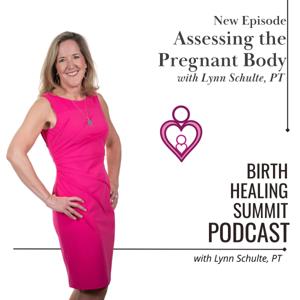

Are you considering the bone itself (and not just the muscles) when postpartum patients come to you with persistent pelvic pain, adductor tightness, or tailbone symptoms? In today’s podcast episode, Lynn Schulte, PT introduces the concept of osseous lesions in the pelvis, subtle hardening of pelvic bones that can occur during childbirth and continue to drive soft tissue tension long after delivery. She explains how birth mechanics, baby positioning, and prolonged pushing can create trauma in key pelvic structures – and how skilled palpation can help clinicians identify the difference between healthy bone and hardened bone.
This conversation opens the door to a frequently overlooked contributor to postpartum dysfunction. If you treat postpartum women, this conversation can help enhance your assessment of the pelvis.
✨ Key Takeaways for Practitioners
This episode will challenge practitioners to start listening to the bones, not just the muscles, when evaluating postpartum pelvic dysfunction.
Have a comment or question about today’s episode? Message Lynn on Instagram or Facebook, or Email Lynn.
If you enjoyed today’s podcast and are interested in more topics to support your clinical practice and treating your clients, find us on your favorite podcast app and subscribe so you don’t miss an episode.
To learn more visit:InstituteforBirthHealing.com
Visit Institute for Birth Healing to learn more about how to care for the pregnant and postpartum body: CLICK HERE
 View all episodes
 By Lynn Schulte, PT
5
88 ratings
Are you considering the bone itself (and not just the muscles) when postpartum patients come to you with persistent pelvic pain, adductor tightness, or tailbone symptoms? In today’s podcast episode, Lynn Schulte, PT introduces the concept of osseous lesions in the pelvis, subtle hardening of pelvic bones that can occur during childbirth and continue to drive soft tissue tension long after delivery. She explains how birth mechanics, baby positioning, and prolonged pushing can create trauma in key pelvic structures – and how skilled palpation can help clinicians identify the difference between healthy bone and hardened bone.
This conversation opens the door to a frequently overlooked contributor to postpartum dysfunction. If you treat postpartum women, this conversation can help enhance your assessment of the pelvis.
✨ Key Takeaways for Practitioners
This episode will challenge practitioners to start listening to the bones, not just the muscles, when evaluating postpartum pelvic dysfunction.
Have a comment or question about today’s episode? Message Lynn on Instagram or Facebook, or Email Lynn.
If you enjoyed today’s podcast and are interested in more topics to support your clinical practice and treating your clients, find us on your favorite podcast app and subscribe so you don’t miss an episode.
To learn more visit:InstituteforBirthHealing.com
Visit Institute for Birth Healing to learn more about how to care for the pregnant and postpartum body: CLICK HERE

11,865 Listeners

2,324 Listeners
119 Listeners

1,035 Listeners

1,130 Listeners
185 Listeners

14,693 Listeners

29,207 Listeners
669 Listeners

4,480 Listeners

41,321 Listeners

19,524 Listeners

31 Listeners

73 Listeners
30 Listeners