
Sign up to save your podcasts
Or

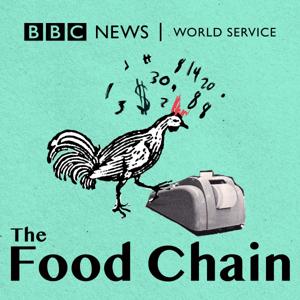

How does a country feed itself following an earthquake, flood or drought?
The Food Chain looks at the role of food in disaster relief - from the emergency response to the longer-term efforts to restore devastated farmland.
We speak to Nepal's farmers to hear how they coped in the aftermath of the 2015 earthquake. An aid worker scrambled to Kathmandu tells us how the World Food Programme hired 25,000 mountaineers to deliver food to remote communities cut off by the disaster.
We go behind the scenes at a leading supplier of emergency food, Nutriset, which makes peanut paste and milk products for malnourished children and adults around the world.
Plus, how agriculture bears the brunt of the economic damage caused by natural disasters, but receives a tiny proportion of aid funding - the Food and Agriculture Organisation of the United Nations tells us the balance must be redressed.
And when food aid can do more harm than good - we hear how farmers in Haiti are angry about US plans to send 500 tonnes of surplus peanuts to help the country recover from a three-year drought, and how prime agricultural land was lost in the aftermath of the 2010 earthquake.
(Photo: A Nepalese earthquake survivor in front of a destroyed farm. Credit: Philippe Lopez, Getty Images)
 View all episodes
 By BBC World Service

4.7
324324 ratings
How does a country feed itself following an earthquake, flood or drought?
The Food Chain looks at the role of food in disaster relief - from the emergency response to the longer-term efforts to restore devastated farmland.
We speak to Nepal's farmers to hear how they coped in the aftermath of the 2015 earthquake. An aid worker scrambled to Kathmandu tells us how the World Food Programme hired 25,000 mountaineers to deliver food to remote communities cut off by the disaster.
We go behind the scenes at a leading supplier of emergency food, Nutriset, which makes peanut paste and milk products for malnourished children and adults around the world.
Plus, how agriculture bears the brunt of the economic damage caused by natural disasters, but receives a tiny proportion of aid funding - the Food and Agriculture Organisation of the United Nations tells us the balance must be redressed.
And when food aid can do more harm than good - we hear how farmers in Haiti are angry about US plans to send 500 tonnes of surplus peanuts to help the country recover from a three-year drought, and how prime agricultural land was lost in the aftermath of the 2010 earthquake.
(Photo: A Nepalese earthquake survivor in front of a destroyed farm. Credit: Philippe Lopez, Getty Images)

7,640 Listeners

893 Listeners

1,062 Listeners

5,475 Listeners

1,802 Listeners

1,747 Listeners

1,045 Listeners

2,087 Listeners
90 Listeners

266 Listeners

403 Listeners

423 Listeners

87 Listeners

336 Listeners
356 Listeners

67 Listeners

479 Listeners

246 Listeners

127 Listeners

44 Listeners

3,202 Listeners

724 Listeners

1,033 Listeners

100 Listeners