
Sign up to save your podcasts
Or

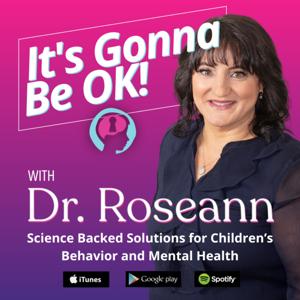
By Dr. Roseann Capanna Hodge


4.9
9191 ratings


The podcast currently has 450 episodes available.
The most played episodes among Podcast App listeners.
When stress takes over, knowing what to do first can make all the difference. Learning how to reset to regulate helps parents pause, create capacity, and respond with intention. Dr. Roseann Capanna-Hodge, an expert in Regulation First Parenting™ and childhood emotional dysregulation, makes regulation practical. When your child is overwhelmed, it can feel like you need to fix everything right now. But when the nervous system is activated, more words, more reasoning, and more pressure usually aren’t the answer. In this episode, I share a simple roadmap for recognizing stress, slowing down, reconnecting with your body, and taking small actions that build nervous system capacity. Learn how to Reset to Regulate so you can respond with greater calm and help your child navigate hard moments. What should I do when my child’s nervous system is overwhelmed? The first step is to notice the state before choosing a strategy. When someone is in the red zone, the thinking brain has less capacity for reasoning, learning, or communication. This is when doing less can actually do more.Pause before reacting.Notice what the body is telling you.Reduce input and pressure.Focus on creating just enough capacity to respond differently. You don’t have to become perfectly calm. You simply need enough regulation to avoid becoming part of the storm. How can I use RESET to Regulate during a hard moment? RESET to Regulate is about recognizing your state, using breath or grounding, stopping the rush, empathizing, and then taking a small action. R — Recognize the state.E — Exhale and regulate.S — Stop rushing.E — Empathize with yourself or your child.T — Take one small, doable action. Real-life example: When a teenager wakes up cranky before a stressful school day, you can pause instead of taking the behavior personally. Breathe, ground your body, slow down, ask what the nervous system may be experiencing, and choose the next small step—not try to solve everything at once. Small actions repeated consistently can build nervous system capacity. The goal isn’t perfection; it’s interrupting the pattern and practicing regulation again and again. Why is it important to practice nervous system regulation when things are calm? One of the biggest lessons from this episode is that calm moments are where we train the nervous system. You can’t expect your brain to remember a strategy during a crisis if you never practiced it when you had capacity. Think about practicing a breath, heart hug, movement, or LOVE Pause during ordinary moments. Then, when stress rises, that response becomes easier to access. The CALMS Protocol gives parents a simple framework for understanding dysregulation and building regulation skills before challenging moments take over. Learn more at drroseann.com/calms. What can I do when I feel stuck in a cycle of stress and reactivity? Instead of trying to fix 20 things, pick one thing that brings relief. The goal is not perfection. It is repetition.Set regulation reminders during the day.Practice when you wake up and before bed.Use one simple tool consistently.Give yourself permission to be 80% awesome.Notice small changes instead of expecting instant transformation. 🗣️ “We are creating capacity. That is what we are doing.”— Dr. Roseann Takeaway & What’s Next You don’t have to solve everything at once. Start by noticing, pausing, regulating, and taking one small action. With practice, your nervous system can learn a different pattern—and that can change how you experience hard moments. If you want a deeper roadmap for understanding what happens when stress fills your “stress cup,” The Dysregulated Kid connects the nervous-system approach to real-life parenting challenges. It offers practical guidance for moving from reacting to regulating first, so other strategies have a better chance to work. FAQs How do I calm an overwhelmed nervous system? Start by pausing, breathing, grounding, and reducing pressure. You don’t need perfect calm; you need enough capacity to respond instead of reacting. Can nervous system regulation be learned? Yes. The episode emphasizes practicing regulation repeatedly, especially during calm moments, so the nervous system becomes more familiar with that state. What should I do when my child is in the red zone? Use fewer words and less pressure. Focus first on regulation rather than reasoning, lecturing, correcting, or trying to teach in the moment. How often should I practice regulation? Practice small moments throughout the day. The episode recommends building repetition into your routine, including morning, bedtime, and several additional moments. What is RESET to Regulate? It is a simple approach focused on recognizing your state, using breath or grounding, stopping, empathizing, and taking a small, consistent action. Every child’s journey is different. That’s why cookie-cutter solutions don’t work. Take the free Solution Matcher Quiz and get a customized path to support your child’s emotional and behavioral needs—no guessing, no fluff. Start today at www.drroseann.com/help

When stress takes over, your body needs regulation—not more pressure. Learn simple ways to reset your nervous system through breath, pressure, and movement with Dr. Roseann Capanna-Hodge, an expert in Regulation First Parenting™ and emotional dysregulation in children. When stress takes over, it can feel like your body is running the show. You may know you need to calm down, but you don’t know where to start. In this episode, I explain how to reset your body with simple micro-moments of regulation using breath, pressure, and movement. How can I calm my nervous system when I feel overwhelmed? The goal isn't perfect calm. It’s creating a small shift in your nervous system so you have more capacity to respond instead of react. Dr. Roseann encourages you to notice your jaw, shoulders, breathing, stomach, and overall activation before choosing a strategy.Rate your activation from 0–10.Notice where your body holds stress.Look for a shift, not perfection.Repeat regulation throughout the day. Real-life example: A parent notices their shoulders are tight at bedtime after a stressful day. Instead of pushing through, they took 30 seconds to breathe, release their shoulders, and check in with their body. What are simple ways to reset your body when stress takes over? Focus on three practical pathways: breath, pressure, and movement. You don't need an hour-long meditation or a complicated routine. Small moments practiced consistently can help build nervous system capacity.Try gentle belly breathing with a longer exhalation.Use a heart hug by placing one hand over your heart and the other on your shoulder.Roll your shoulders, shake out your hands, sway, march, or try a figure eight.Choose the strategy that actually feels helpful to your body. 🗣️ “We’re not looking for that perfect calm. We’re really looking for the shift.”— Dr. Roseann Want to stay calm when your child pushes every button? Become a Dysregulation Insider VIP and get the FREE Regulation Rescue Kit—your step-by-step guide to stop oppositional behaviors without yelling or giving in. Go to www.drroseann.com/newsletter and grab your kit today. How often should I practice nervous system regulation? Frequency matters more than perfection. I recommend building short regulation moments into everyday life—even 30 seconds to three minutes at a time. Practicing while calm helps you access those tools when stress gets high. Try regulating when you wake up, before bed, and several times throughout the day. Set a reminder on your phone if needed. Your nervous system needs practice, just like any other skill. The CALMS Dysregulation Protocol gives parents a practical framework for recognizing dysregulation and building regulation into everyday life. Learn more at drroseann.com/calms. How can I help my dysregulated child when I’m stressed too? Regulate yourself first. When a child is dysregulated, lectures and corrections may not work because their nervous system isn't ready to process them. Your regulated presence can provide an important cue for co-regulation. The same applies to a spouse, elderly parent, student, or another loved one. You cannot effectively help someone regulate while you are completely overwhelmed yourself. Takeaway & What’s Next Resetting your body when stress takes over isn't about forcing yourself to feel calm. It’s about noticing what your nervous system needs and creating small opportunities for regulation throughout the day. Start with one tool, practice it often, and adjust based on what your body tells you. You don't have to do it perfectly. You just need somewhere to start. As you build those micro-moments of regulation, you can create more capacity for yourself—and more calm to share with the people you love. If you're looking for practical strategies to understand what is happening underneath behavior, The Dysregulated Kid connects nervous system regulation to everyday parenting challenges and gives parents tools they can actually use. You can get the book at drroseann.com/dysregulatedkid. FAQs What if breathing doesn’t work for me? That's okay. Not every nervous system responds to the same strategy. Try pressure or movement instead. The goal is to notice what creates a little more space, safety, focus, or calm for you. Can nervous system regulation help children too? Yes. Regulation tools can be adapted across ages and situations. Parents can practice alongside children through movement, breathing, or pressure-based strategies. What should I do when I’m still highly activated? Don't judge yourself. Repeat the regulation strategy and create a little more capacity. If you're in an unsafe situation, prioritize safety and seek appropriate support. How can I build regulation into my daily routine? Start small. Choose one strategy and practice it for 30 seconds to three minutes several times a day. Consistency helps make regulation more accessible when stressful moments arrive. Feel like you’ve tried everything and still don’t have answers? The Solution Matcher helps you find the best starting point based on your child’s symptoms, behaviors, and history. It’s fast, free, and based on decades of clinical expertise. Get your personalized plan now at www.drroseann.com/help
When big emotions take over, knowing what to do can feel overwhelming. Understanding how to help your child regulate big emotions with the LOVE Pause® highlights how small moments of regulation can change what happens next. Dr. Roseann Capanna-Hodge brings 30 years of expertise in Regulation First Parenting™ and childhood emotional dysregulation. When your child’s emotions explode, it can feel like you’re supposed to fix the behavior immediately. But what if the moment before the reaction matters more than the reaction itself? In this episode, I explain how the LOVE Pause® can create space for regulation before stress turns into overwhelm. How can I help my child regulate big emotions before they escalate? A child’s behavior is often the overflow of an overwhelmed nervous system, not the cause of the problem. When a child is already at capacity, more demands, questions, or correction can make things worse. The first step is noticing what happens before the behavior. The goal isn’t to eliminate every stressor. It’s to build enough capacity to respond differently.Notice the trigger and your child’s body signals.Pause before reacting or correcting.Regulate first, then connect and teach. Your child isn’t giving you a hard time—they may be having a hard time. Real-life example: Your child comes home from school and melts down because you ask them to put their shoes away. The request may be the final drop in an already-full stress cup. What is the LOVE Pause® and how does it help with emotional dysregulation? The LOVE Pause® is about creating a small space between the trigger and the automatic reaction. That space can be just a few seconds. Try doing the heart hug: place one hand over your heart and the other on your opposite shoulder, soften your jaw, drop your shoulders, and take three slow breaths with a longer exhale.Pause.Breathe.Soften your body.Notice what changes. You don’t have to perform calm. You’re practicing the return to regulation. Why does the stress cup matter when my child has big reactions? Every nervous system has a stress cup. Sleep, noise, worry, parenting demands, relationships, work, and other stressors add drops throughout the day. When the cup is already full, one small event can cause an overflow. This explains why the same request may be manageable one day and overwhelming the next. The trigger may not have changed. Capacity did.Ask: “How full is my cup right now?”Look for small stressors accumulating throughout the day.Build capacity through micro-moments, not perfection. The goal isn’t to reach zero stress. It’s to have more capacity for the stress that life inevitably brings. CALMS Dysregulation Protocol gives parents and professionals a practical framework for understanding and interrupting the stress cycle. It builds on the same regulation-first principle: regulate before you correct. How can parents use co-regulation when a child is dysregulated? When your child is activated, your nervous system matters too. If your child gets louder and you get louder, the nervous systems can create an escalation loop. Instead, regulate yourself first. Your calmer voice, slower pace, and grounded body can become a safety signal that helps your child access more flexibility and thinking. 🗣️ “We can’t interrupt a pattern we don’t recognize.”— Dr. Roseann Want to stay calm when your child pushes every button? Become a Dysregulation Insider VIP and get the FREE Regulation Rescue Kit—your step-by-step guide to stop oppositional behaviors without yelling or giving in. Go to www.drroseann.com/newsletter and grab your kit today. What should I do when my child is already overwhelmed? When a child is in a highly activated state, more words and pressure usually aren’t the answer. First create safety and reduce the demand for complex thinking.Pause before explaining.Use fewer words.Regulate your own nervous system.Return to teaching and problem-solving when there is more capacity. Takeaway & What’s Next The LOVE Pause® doesn’t magically empty your stress cup or prevent every hard moment. It gives you a chance to pause, regulate, and choose what happens next. Start small. Notice what fills your cup, practice the pause, and repeat it often. Those tiny moments can become the foundation for greater capacity, connection, and calm. Want a deeper framework for understanding what’s happening beneath your child’s behavior? The Dysregulated Kid gives parents practical tools for recognizing stress, understanding capacity, and making regulation part of everyday life—not just something you try during a crisis. FAQs Can the LOVE Pause® help with ADHD, anxiety, autism, or PANS/PANDAS? The episode emphasizes that the nervous system responds to activation regardless of the specific challenge. Regulation is a starting point for children and adults across many situations. How long does the LOVE Pause® take? It can take only a few seconds. The goal is not a long relaxation routine but repeated micro-moments of regulation that build capacity over time. What if breathing exercises don’t work for my child? The episode emphasizes finding what works for your nervous system. Breathing, movement, prayer, nature, or a heart hug may all become useful regulation tools. What should parents do first when a child is dysregulated? Regulate yourself first. Then create safety and connection before expecting reasoning, learning, problem-solving, or correction. When your child is struggling, time matters. Don’t wait and wonder—use the Solution Matcher to get clear next steps, based on what’s actually going on with your child’s brain and behavior. Take the quiz at www.drroseann.com/help
Is Something in Your Home Quietly Affecting Your Family's Nervous System? Hidden everyday habits may be adding stress to your child's brain without you realizing it. Dr. Roseann Capanna-Hodge shares practical, science-backed strategies through her Regulation First Parenting™ approach to help families reduce emotional dysregulation and build calmer, more resilient nervous systems. Many parents focus on stress, sleep, and nutrition—but what if hidden environmental factors are also playing a role? In this episode, I sit down with EMF expert Nick Pinault to discuss how everyday technology may contribute to nervous system stress—and more importantly, what parents can realistically do without fear or overwhelm. Let's calm the brain first, because small changes can make a meaningful difference. Why are some kids more sensitive to environmental stressors? Not every child responds to environmental stress in the same way. Children with ADHD, anxiety, autism, OCD, PANS/PANDAS, or other forms of nervous system dysregulation often have more sensitive nervous systems. Behavior is communication. Sometimes what looks like defiance or emotional reactivity is really an overwhelmed brain asking for support. Simple ways to reduce stress on the nervous system:Turn off Wi-Fi overnight.Keep phones out of bedrooms.Use speakerphone or wired headphones when possible.Prioritize healthy sleep habits. A regulated nervous system is more resilient to everyday challenges. Can EMFs affect my child's sleep and nervous system? One of the biggest concerns discussed is sleep quality. Nick explains that research suggests wireless radiation before bedtime may make it harder for the brain to fully transition into sleep. Since sleep is one of the biggest regulators of emotional health, protecting it is one of the simplest ways to support your child. Imagine your child struggles every morning despite getting enough hours in bed. Before assuming they're lazy or oppositional, it may be worth looking at bedtime routines—including where devices are kept. Better sleep habits include:Charging phones outside the bedroom.Turning devices to Airplane Mode.Creating a technology-free bedtime routine.Shutting off Wi-Fi overnight whenever possible. What simple changes can parents make without giving up technology? The good news is that this conversation isn't about eliminating technology. It's about making small, sustainable choices that reduce unnecessary exposure while supporting better nervous system health. Easy changes any family can make:Use wired headphones at home.Download movies before travel instead of streaming.Use Ethernet when possible.Keep devices away from your body when not in use.Model healthy technology habits for your children. Progress—not perfection—is the goal. 🗣️ “This conversation is not about making you feel bad. It's about empowering you.” — Dr. Roseann You don’t have to figure this out alone. Become a Dysregulation Insider VIP and get your FREE Regulation Rescue Kit: How to Stay Calm When Your Child Pushes Your Buttons and Stop Oppositional Behaviors. Head to www.drroseann.com/newsletter and start your calm parenting journey today. How can parents reduce stress without becoming overwhelmed? One of the most reassuring messages in this episode is that you don't have to do everything at once. Nervous system regulation happens through consistent daily habits—not perfection. Remember:It's not bad parenting—it's a dysregulated brain.Focus on what you can control.Small changes add up over time.It's gonna be OK. Every healthy habit—from better sleep to reducing unnecessary environmental stress—helps your child build resilience. Takeaway & What’s Next Creating a calmer home doesn't require perfection or fear. By making thoughtful adjustments to technology use and supporting healthy nervous system habits, you give your child more opportunities to regulate, learn, and thrive. You're not alone. Let's calm the brain first—everything else becomes easier from there. Want simple ways to calm your child's nervous system? Quick CALM offers practical, science-backed strategies you can start using right away to reduce stress and improve regulation. You can also join the Regulated Child Summit to hear from leading experts and discover natural strategies that support emotional regulation and resilient families. FAQs Can EMFs cause ADHD or anxiety? Current research is still evolving. This episode focuses on reducing unnecessary exposure as one practical way to support overall nervous system health. Should children sleep with phones in their bedrooms? It's best to keep phones out of bedrooms whenever possible to support healthy sleep and reduce nighttime distractions. Is turning off Wi-Fi at night worth it? Yes. It's one of the easiest, no-cost habits many families use to reduce unnecessary exposure while improving sleep routines. Are wired headphones better than Bluetooth? Nick recommends using wired options whenever practical, especially during long periods of device use at home. Do I need to eliminate technology? No. The goal is balance—not perfection. Small, practical habits can help support a healthier environment. Tired of not knowing what's really going on with your child? The Solution Matcher gives you a personalized recommendation based on your child's behavior, not just a label. It's free, takes just a few minutes, and shows you the best next step. Go to www.drroseann.com/help
Wondering why little triggers lead to big reactions in your child? Those explosive moments often signal an overwhelmed nervous system, not defiance. Join Dr. Roseann Capanna-Hodge, founder of Regulation First Parenting™, as she shares practical, brain-based strategies to help children regulate, recover, and thrive. Have you ever wondered why asking your child to do homework, put on their shoes, or empty the dishwasher suddenly turns into tears, yelling, or a complete shutdown? If you've been left wondering what just happened, you're not alone. The answer often isn't bad behavior—it's a dysregulated nervous system that's already overwhelmed. In this episode, you'll learn why little triggers can lead to big reactions and what you can do to help your child find calm. Why does my child overreact to small things? When your child's reaction seems much bigger than the situation, the trigger usually isn't the real problem. Their nervous system has been collecting stress throughout the day until one small request becomes the final drop that overflows their stress cup. Remember: Behavior is communication.Big reactions are often signs of nervous system overload.Small triggers expose bigger underlying stress.It's not bad parenting—it's a dysregulated brain. Instead of asking, "Why are they acting like this?" ask, "What has their nervous system been carrying today?" Why do meltdowns happen after school or during homework? Many children spend the entire school day holding it together. They're managing transitions, noise, social pressure, corrections, hunger, fatigue, and constant demands. By the time they get home, their nervous system may already be running on empty. Common hidden stressors include:School expectationsSocial interactionsSensory overloadFatigue and hungerConstant transitions That homework request wasn't the cause—it was simply the last demand their brain couldn't handle. You don't have to figure this out alone. Become a Dysregulation Insider VIP and get your FREE Regulation Rescue Kit: How to Stay Calm When Your Child Pushes Your Buttons and Stop Oppositional Behaviors. Head to www.drroseann.com/newsletter and start your calm parenting journey today. Why don't consequences work during a meltdown? Once a child crosses their stress threshold, their brain shifts into survival mode. Whether they're arguing (fight), avoiding (flight), or shutting down (freeze), logic, lectures, and consequences won't reach them. Instead:Pause before reacting.Lower your voice.Become the wall of calm. Regulation always comes before learning. Looking for simple ways to calm an overwhelmed nervous system? Quick CALM offers practical regulation tools you can use in everyday parenting moments. Small shifts practiced consistently can make a big difference before behaviors escalate. How can I help my child regulate instead of react? I encourage parents to focus less on correcting behavior and more on calming the brain first. One of the simplest strategies is the three-second Love Pause—giving yourself a brief moment before responding. Try this instead:Pause for three seconds.Speak softly.Wait until your child is regulated before teaching.Help them release stress through movement, reading, or connecting with a pet. Real-life example: Your child explodes after you ask them to start homework. Rather than arguing, you pause, soften your tone, and suggest taking a short walk together before returning to the task. That small moment helps prevent a much bigger meltdown. 🗣️ “Small triggers create big reactions. Overloaded nervous systems really are the source of it.” — Dr. Roseann Takeaway & What’s Next Little triggers rarely cause big reactions by themselves. When we stop focusing only on the behavior and start supporting the nervous system underneath it, everything begins to change. If this episode resonated with you, don't miss the Regulated Child Summit and pre-order The Dysregulated Kid, where you'll learn science-backed strategies to help your child develop lasting emotional regulation skills. Let's calm the brain first—because that's where healing and lasting regulation begin. FAQs Why does my child explode over simple requests? Their nervous system may already be overloaded. The request is often just the final stressor, not the true cause. Is this normal behavior or dysregulation? Occasional meltdowns are part of childhood. Frequent, intense reactions with poor recovery may point to nervous system dysregulation. What should I do during a meltdown? Stay calm, lower your voice, and avoid teaching or consequences until your child is regulated again. How do I know what is stressing my child? Look beyond the immediate trigger. School, transitions, social pressure, hunger, fatigue, and sensory input all add to their stress load. Can children learn emotional regulation? Absolutely. Regulation is a learned skill, and with consistent support, children can build healthier responses over time. When your child is struggling, time matters. Don't wait and wonder—use the Solution Matcher to get clear next steps based on what's actually going on with your child's brain and behavior. Take the quiz at www.drroseann.com/help
The podcast currently has 450 episodes available.
1,329 Listeners

962 Listeners
2,015 Listeners

4,834 Listeners
1,418 Listeners

4,860 Listeners

3,432 Listeners

9,157 Listeners

135 Listeners

1,905 Listeners
4,491 Listeners

19,329 Listeners
382 Listeners
83 Listeners

1,158 Listeners