
Sign up to save your podcasts
Or

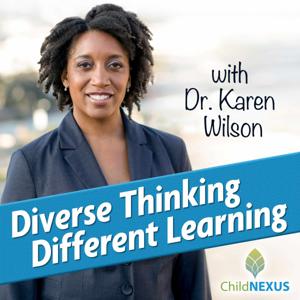

Why is intervention, particularly early intervention, so important? The answer is brain plasticity, which is the brain's ability to change, reorganize, and even develop more efficient pathways for processing information. Research into the neurological bases of reading disorders, for example, has shown the educational and cognitive strategies can reroute brain networks and the brain can reorganize to overcome reading obstacles. Today's guest shares with us all about early intervention.
Dr. Tania Abouezzeddine is a licensed Clinical Neuropsychologist and is also a faculty member at Rosemead School of Psychology at Biola University. In today's episode she explains why early intervention is key and how it results in positive changes in the brain. She not only shares why early intervention is important but how it impacts the development of the brain and the science behind it all.
Show Notes:
[2:45] - It is important to understand why a child is struggling before deciding on the intervention.
[3:31] - Any good intervention begins with an accurate diagnosis or assessment.
[4:28] - What makes a good assessment?
[5:52] - A lot of times, children are more likely to be labeled with behavior disorders.
[6:55] - Tania shares research surrounding behavior disorders diagnosed to particular demographics that result in a negative trajectory.
[9:09] - Tania describes some of the negative results of an inaccurate diagnosis or assessment.
[10:18] - If an intervention has not begun by age 8, a child with a reading disorder will likely not bridge the gap in their reading.
[11:48] - Reading disorders are hereditary.
[14:03] - There is evidence that you can change the brain through good, consistent, and intense intervention.
[15:19] - External interventions result in a positive change in the brain.
[16:24] - The purpose of interventions is not to have a better reading score.
[17:43] - Every brain is working at its own pace, but it will improve with intervention and depends on the severity of the disorder.
[19:02] - There's a high percentage of children with more than one disorder.
[20:17] - The child also needs to understand why an intervention is necessary.
[21:59] - Tania works with high school graduates in college who have not been diagnosed and still cannot read independently. That window of time has been missed.
[23:23] - Training the brain through early intervention can create new brain pathways that are similar to a child without a disorder over time.
[24:46] - Sometimes parents are afraid to know and they avoid an assessment.
[26:14] - Early intervention is also important because you can catch these problems before a child becomes jaded.
[27:50] - The identification of strengths can help the intervention as well.
[30:49] - Knowing strengths shows the child that their weaknesses don't define them.
[32:19] - What happens when a child doesn't receive positive early intervention?
[34:25] - We all have things we are not good at, but when it comes to reading and learning disorders they can have negative ramifications.
[36:02] - Tania shares examples of students who choose majors or professions based on areas of weakness rather than their strengths.
[38:41] - Students can also receive a charted plan to help with prioritizing.
About Our Guest:
Dr. Abouezzeddine is a licensed Clinical Neuropsychologist (across the lifespan with a specialty in Pediatrics) and is a full-time faculty member at Rosemead School of Psychology at Biola University. She obtained her doctoral degree from the University of Southern California where she specialized in childhood trauma and resilience, which continue to be areas of research interest. After the completion of her doctoral studies, Dr. Abouezzeddine went on to specialize in Clinical Neuropsychology, beginning with a clinical internship in Geriatric Neuropsychology at the West Los Angeles VA Medical Center and continuing on with two additional years of clinical postdoctoral studies in Pediatric Neuropsychology at UCLA's Semel Institute of Neuroscience. Dr. Abouezzeddine specializes in the cognitive assessment of children and adolescents with neurodevelopmental disorders (e.g. ADHD, Autism), Learning Disabilities (e.g. Reading, Math), as well as cognitive impairments related to Traumatic Brain injury or and other medical conditions (e.g. epilepsy). She also occasionally assesses adults and older adults in Arabic schedule permitting. She is fluent in both English and Arabic.
Connect with Tania Abouezzeddine:
Join our email list so that you can receive information about upcoming webinars - ChildNEXUS.com
The Diverse Thinking Different Learning podcast is intended for informational purposes only and is not a substitute for medical or legal advice, diagnosis, or treatment. Additionally, the views and opinions expressed by the host and guests are not considered treatment and do not necessarily reflect those of ChildNEXUS, Inc or the host, Dr. Karen Wilson.
 View all episodes
 By Dr. Karen Wilson
5
4646 ratings
Why is intervention, particularly early intervention, so important? The answer is brain plasticity, which is the brain's ability to change, reorganize, and even develop more efficient pathways for processing information. Research into the neurological bases of reading disorders, for example, has shown the educational and cognitive strategies can reroute brain networks and the brain can reorganize to overcome reading obstacles. Today's guest shares with us all about early intervention.
Dr. Tania Abouezzeddine is a licensed Clinical Neuropsychologist and is also a faculty member at Rosemead School of Psychology at Biola University. In today's episode she explains why early intervention is key and how it results in positive changes in the brain. She not only shares why early intervention is important but how it impacts the development of the brain and the science behind it all.
Show Notes:
[2:45] - It is important to understand why a child is struggling before deciding on the intervention.
[3:31] - Any good intervention begins with an accurate diagnosis or assessment.
[4:28] - What makes a good assessment?
[5:52] - A lot of times, children are more likely to be labeled with behavior disorders.
[6:55] - Tania shares research surrounding behavior disorders diagnosed to particular demographics that result in a negative trajectory.
[9:09] - Tania describes some of the negative results of an inaccurate diagnosis or assessment.
[10:18] - If an intervention has not begun by age 8, a child with a reading disorder will likely not bridge the gap in their reading.
[11:48] - Reading disorders are hereditary.
[14:03] - There is evidence that you can change the brain through good, consistent, and intense intervention.
[15:19] - External interventions result in a positive change in the brain.
[16:24] - The purpose of interventions is not to have a better reading score.
[17:43] - Every brain is working at its own pace, but it will improve with intervention and depends on the severity of the disorder.
[19:02] - There's a high percentage of children with more than one disorder.
[20:17] - The child also needs to understand why an intervention is necessary.
[21:59] - Tania works with high school graduates in college who have not been diagnosed and still cannot read independently. That window of time has been missed.
[23:23] - Training the brain through early intervention can create new brain pathways that are similar to a child without a disorder over time.
[24:46] - Sometimes parents are afraid to know and they avoid an assessment.
[26:14] - Early intervention is also important because you can catch these problems before a child becomes jaded.
[27:50] - The identification of strengths can help the intervention as well.
[30:49] - Knowing strengths shows the child that their weaknesses don't define them.
[32:19] - What happens when a child doesn't receive positive early intervention?
[34:25] - We all have things we are not good at, but when it comes to reading and learning disorders they can have negative ramifications.
[36:02] - Tania shares examples of students who choose majors or professions based on areas of weakness rather than their strengths.
[38:41] - Students can also receive a charted plan to help with prioritizing.
About Our Guest:
Dr. Abouezzeddine is a licensed Clinical Neuropsychologist (across the lifespan with a specialty in Pediatrics) and is a full-time faculty member at Rosemead School of Psychology at Biola University. She obtained her doctoral degree from the University of Southern California where she specialized in childhood trauma and resilience, which continue to be areas of research interest. After the completion of her doctoral studies, Dr. Abouezzeddine went on to specialize in Clinical Neuropsychology, beginning with a clinical internship in Geriatric Neuropsychology at the West Los Angeles VA Medical Center and continuing on with two additional years of clinical postdoctoral studies in Pediatric Neuropsychology at UCLA's Semel Institute of Neuroscience. Dr. Abouezzeddine specializes in the cognitive assessment of children and adolescents with neurodevelopmental disorders (e.g. ADHD, Autism), Learning Disabilities (e.g. Reading, Math), as well as cognitive impairments related to Traumatic Brain injury or and other medical conditions (e.g. epilepsy). She also occasionally assesses adults and older adults in Arabic schedule permitting. She is fluent in both English and Arabic.
Connect with Tania Abouezzeddine:
Join our email list so that you can receive information about upcoming webinars - ChildNEXUS.com
The Diverse Thinking Different Learning podcast is intended for informational purposes only and is not a substitute for medical or legal advice, diagnosis, or treatment. Additionally, the views and opinions expressed by the host and guests are not considered treatment and do not necessarily reflect those of ChildNEXUS, Inc or the host, Dr. Karen Wilson.

43,837 Listeners

43,687 Listeners
963 Listeners

113,121 Listeners

352 Listeners

8,876 Listeners
424 Listeners
442 Listeners

5,832 Listeners
1,888 Listeners
14,324 Listeners
4,524 Listeners