
Sign up to save your podcasts
Or

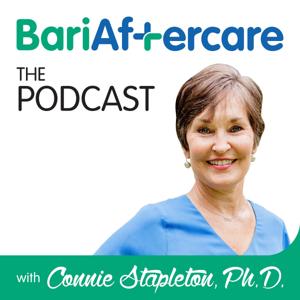

Who wants to acknowledge that their behavior broadcasts to others their level of self-esteem (at least to some degree)? Let’s see… when my body was emaciated from anorexia, it was an outward sign, unfortunately, of my internal low self-esteem. When I got drunk five nights a week during my last two years of college, it too, was an indication that my self-esteem was in the toilet, as did my abuse of prescription pain medication. Our behaviors reflect, to some degree, how we feel about ourselves. Research is clear that disordered eating, which can lead to obesity, emotional health issues and physical problems, is inextricably linked to low self-esteem. Anyone who has struggled with carrying extra weight knows that obesity takes a toll on one’s self-esteem. The really great news is that we can improve our self-esteem, which will lead to healthier behaviors. And improving our behaviors, increases self-esteem. It’s a win-win. Intriguing… let’s learn more about how this works…
Resources:
Connie Stapleton PhD website: www.conniestapletonphd.com
BariAftercare website: https://www.conniestapletonphd.com/bariaftercare
BariAftercare Facebook page (for members only): https://www.facebook.com/groups/BariAftercare
Instagram: @therealbariboss
Instgram: @lauraleepreston
Instagram: @chefhealthyhenry
Instagram: @myweightishistory
Self-esteem: Take steps to feel better about yourself.
Identity-Based Habits: How to Actually Stick to Your Goals This Year
Is self-esteem the primary predictor of disordered eating?
Weight stigmatization and disordered eating in obese women: The mediating effects of self-esteem and fear of negative appearance evaluation
Please subscribe to the show and rate it on Apple Podcasts, download free information at www.conniestapletonphd.com, and follow me on Twitter (@cstapletonphd), Instagram (@cstapletonphd), YouTube, LinkedIn, and on Facebook.
 View all episodes
 By Connie Stapleton, Ph.D.

4.7
3838 ratings
Who wants to acknowledge that their behavior broadcasts to others their level of self-esteem (at least to some degree)? Let’s see… when my body was emaciated from anorexia, it was an outward sign, unfortunately, of my internal low self-esteem. When I got drunk five nights a week during my last two years of college, it too, was an indication that my self-esteem was in the toilet, as did my abuse of prescription pain medication. Our behaviors reflect, to some degree, how we feel about ourselves. Research is clear that disordered eating, which can lead to obesity, emotional health issues and physical problems, is inextricably linked to low self-esteem. Anyone who has struggled with carrying extra weight knows that obesity takes a toll on one’s self-esteem. The really great news is that we can improve our self-esteem, which will lead to healthier behaviors. And improving our behaviors, increases self-esteem. It’s a win-win. Intriguing… let’s learn more about how this works…
Resources:
Connie Stapleton PhD website: www.conniestapletonphd.com
BariAftercare website: https://www.conniestapletonphd.com/bariaftercare
BariAftercare Facebook page (for members only): https://www.facebook.com/groups/BariAftercare
Instagram: @therealbariboss
Instgram: @lauraleepreston
Instagram: @chefhealthyhenry
Instagram: @myweightishistory
Self-esteem: Take steps to feel better about yourself.
Identity-Based Habits: How to Actually Stick to Your Goals This Year
Is self-esteem the primary predictor of disordered eating?
Weight stigmatization and disordered eating in obese women: The mediating effects of self-esteem and fear of negative appearance evaluation
Please subscribe to the show and rate it on Apple Podcasts, download free information at www.conniestapletonphd.com, and follow me on Twitter (@cstapletonphd), Instagram (@cstapletonphd), YouTube, LinkedIn, and on Facebook.

708 Listeners

70 Listeners

7,503 Listeners

203 Listeners
74 Listeners
425 Listeners

19,524 Listeners

264 Listeners

41 Listeners

7 Listeners

39 Listeners

38 Listeners

178 Listeners

9 Listeners

14 Listeners