
Sign up to save your podcasts
Or

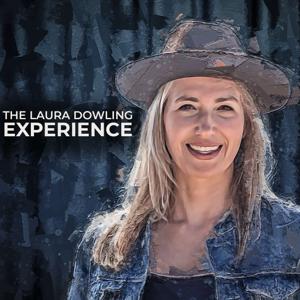

Donal O’Shea has spent a lifetime working at the sharp end of endocrinology- and in this conversation, he brings that perspective with clarity and honesty. Laura and Donal explore how dramatically medicine has changed, from early diabetes care rooted in fear and compliance to modern treatments that prioritise quality of life and long-term health.
The discussion moves through hormones, obesity, and the rise of GLP-1 medications, examining how new treatments exposed long-held misconceptions about appetite, behaviour, and responsibility. Along the way, they confront stigma, access to care, and the cultural tendency to reduce complex conditions to willpower. Thoughtful and grounded, this episode invites a more humane way of thinking about health- one led by evidence, humility, and compassion.
How diabetes care used to work - and why it didn’t
Donal reflects on fear-based approaches from earlier in his career and contrasts them with today’s technology-driven, compassionate care.
Hormones quietly run the show
The episode unpacks how chemical messengers regulate appetite, mood, energy, and long-term health.
GLP-1s changed more than blood sugar
Originally developed for diabetes, these treatments revealed unexpected effects on appetite and behaviour.
Why “eat less, move more” falls short
Obesity is explored as a biologically regulated, chronic condition rather than a failure of willpower.
When medicine collides with culture
Laura and Donal discuss how effective treatments risk being misunderstood in a thinness-obsessed world.
Access isn’t equal
Cost and prescribing rules shape who receives care and who is left behind.
Weight loss doesn’t erase identity
The psychological impact of changing bodies is often overlooked.
OSheaHoganLabs - Donal’s educational presence on TikTok and Instagram addressing medical misinformation
00:00 - A lifetime inside changing medicine
04:10 - Diabetes before technology
07:30 - Why fear was never good healthcare
12:00 - GLP-1 and a shift in understanding obesity
17:45 - Appetite, behaviour, and biology
23:30 - Stigma, thinness, and misuse of treatment
30:15 - Identity after weight change
36:40 - Menopause, hormones, and long-term thinking
43:20 - Battling misinformation online
50:00 - Who gets treatment - and who doesn’t
57:00 - Looking to the next generation
Thanks for listening! You can watch the full episode on YouTube here. Don’t forget to follow The Laura Dowling Experience podcast on Instagram @lauradowlingexperience for updates and more information. You can also follow our host, Laura Dowling, @fabulouspharmacist for more insights and tips. If you enjoyed this episode, please subscribe and leave a review—it really helps us out! Stay tuned for more great conversations.
Hosted on Acast. See acast.com/privacy for more information.
 View all episodes
 By Laura Dowling

4.9
77 ratings
Donal O’Shea has spent a lifetime working at the sharp end of endocrinology- and in this conversation, he brings that perspective with clarity and honesty. Laura and Donal explore how dramatically medicine has changed, from early diabetes care rooted in fear and compliance to modern treatments that prioritise quality of life and long-term health.
The discussion moves through hormones, obesity, and the rise of GLP-1 medications, examining how new treatments exposed long-held misconceptions about appetite, behaviour, and responsibility. Along the way, they confront stigma, access to care, and the cultural tendency to reduce complex conditions to willpower. Thoughtful and grounded, this episode invites a more humane way of thinking about health- one led by evidence, humility, and compassion.
How diabetes care used to work - and why it didn’t
Donal reflects on fear-based approaches from earlier in his career and contrasts them with today’s technology-driven, compassionate care.
Hormones quietly run the show
The episode unpacks how chemical messengers regulate appetite, mood, energy, and long-term health.
GLP-1s changed more than blood sugar
Originally developed for diabetes, these treatments revealed unexpected effects on appetite and behaviour.
Why “eat less, move more” falls short
Obesity is explored as a biologically regulated, chronic condition rather than a failure of willpower.
When medicine collides with culture
Laura and Donal discuss how effective treatments risk being misunderstood in a thinness-obsessed world.
Access isn’t equal
Cost and prescribing rules shape who receives care and who is left behind.
Weight loss doesn’t erase identity
The psychological impact of changing bodies is often overlooked.
OSheaHoganLabs - Donal’s educational presence on TikTok and Instagram addressing medical misinformation
00:00 - A lifetime inside changing medicine
04:10 - Diabetes before technology
07:30 - Why fear was never good healthcare
12:00 - GLP-1 and a shift in understanding obesity
17:45 - Appetite, behaviour, and biology
23:30 - Stigma, thinness, and misuse of treatment
30:15 - Identity after weight change
36:40 - Menopause, hormones, and long-term thinking
43:20 - Battling misinformation online
50:00 - Who gets treatment - and who doesn’t
57:00 - Looking to the next generation
Thanks for listening! You can watch the full episode on YouTube here. Don’t forget to follow The Laura Dowling Experience podcast on Instagram @lauradowlingexperience for updates and more information. You can also follow our host, Laura Dowling, @fabulouspharmacist for more insights and tips. If you enjoyed this episode, please subscribe and leave a review—it really helps us out! Stay tuned for more great conversations.
Hosted on Acast. See acast.com/privacy for more information.
117 Listeners
37 Listeners

67 Listeners

111 Listeners

52 Listeners

80 Listeners

785 Listeners

73 Listeners

41 Listeners
8 Listeners

92 Listeners
44 Listeners

10 Listeners
27 Listeners

7 Listeners