
Sign up to save your podcasts
Or



Based on Podcast App listening data
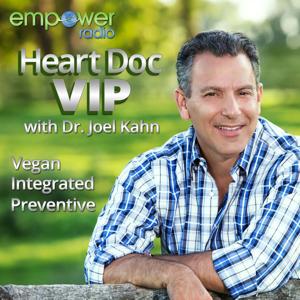
In this bonus episode, Dr. Kahn sits down with his longtime friend TJ Robinson, founder of the Fresh Pressed Olive Oil Club and self-described "olive oil hunter." TJ has made it his life's mission to track down the freshest, highest-quality extra virgin olive oils in the world — often straight from small producers in Europe and South America — and get them shipped to the U.S. as quickly as possible.
The conversation dives into what most people don't realize about olive oil: how freshness impacts flavor, health benefits, and antioxidant levels, and why the oil sitting on a grocery store shelf may not be doing your heart any favors. TJ explains how he sources each harvest, what separates truly exceptional olive oil from the rest, and why timing is everything when it comes to preserving polyphenols and taste.
Dr. Kahn and TJ also discuss why extra virgin olive oil remains one of the healthiest dietary staples available, especially for cardiovascular health, and how consumers can avoid misleading labels and outdated products.
Listeners can sample the latest Fresh Pressed Olive Oil Club release for just $1 shipping by visiting getfreshDRKAHN.com .
If you prefer to watch the conversation, the full video interview is available on YouTube: youtube.com/watch?v=AZP64Au_j5M
This week, Dr. Kahn discusses a new report from the American Heart Association on the causes of heart-related deaths in the U.S., and the sobering reality that cardiovascular disease remains the nation's leading cause of death. Despite this, prevention and early detection continue to be underemphasized at the national level—meaning much of the responsibility still falls on individuals. Dr. Kahn also covers several shorter topics, including a response to the CSPI food pyramid, water quality on airplanes, Apple Watch detection of atrial fibrillation, why earlier meal timing is better, the vascular benefits of extra-virgin olive oil, and the cholesterol-lowering power of oats. Thanks to the Fresh Pressed Olive Oil Club, you can sample a bottle of high-quality extra-virgin olive oil for just $1 at getfreshDRKAHN.com. Registration is now open for Dr. Kahn's lecture on January 29, 2026 at 7:00 PM EST. Sign up HERE.
This week, Dr. Kahn dives into four new research papers on omega-3 fatty acids and their impact on heart and brain health. The discussion highlights several eye-opening findings, including reduced atrial fibrillation risk and improved cardiovascular outcomes in patients undergoing hemodialysis. Dr. Kahn also explains how omega-3 intake supports brain health and why the "right" dose depends on the specific condition being addressed. Food sources, fish oil, algae-based supplements, and ahiflower are compared as practical ways to reach optimal omega-3 levels.
Additional topics in this episode include newly approved AI software for early detection of heart disease, the role of statins in patients with type 2 diabetes, the science—and hype—around NAD+ boosters, and emerging data on Prolon fasting for Crohn's disease. Dr. Kahn also reviews concerning research on heart rhythm risks associated with high-intensity endurance exercise in athletes over the age of 50.
As always, the episode blends cutting-edge research with real-world clinical insight to help clarify what actually matters for long-term heart health.
Thanks to The Fresh Pressed Olive Oil Club — get a bottle for $1 at getfreshDRKAHN.com.
More About This Episode
This episode takes a deeper look at why omega-3 blood levels matter more than simply taking a supplement. Dr. Kahn reviews large population studies linking higher omega-3 levels to lower risks of atrial fibrillation, early-onset dementia, and major cardiovascular events, including in high-risk groups such as patients on hemodialysis. The key takeaway: testing omega-3 status and personalizing intake may be far more effective than a one-size-fits-all approach.
Beyond omega-3s, Dr. Kahn explores several timely and surprising topics, including AI-enhanced CT scan technology designed to detect silent heart disease without additional radiation, real-world data on statin benefits in patients with type 2 diabetes, and why costly NAD+ supplements may ultimately function as a form of vitamin B3. The episode also examines new evidence on fasting-mimicking diets for Crohn's disease and potential heart rhythm risks in high-level endurance athletes over 50.
Throughout the discussion, Dr. Kahn emphasizes practical, evidence-based steps patients can review with their physicians, including omega-3 blood testing, coronary calcium scoring, and tailoring lifestyle and supplement strategies to individual risk factors.
This week, Dr. Kahn breaks down the newly released USDA 2025–2030 Dietary Guidelines and the surprising upside-down food pyramid they present. He explains how the final report differs from last year's Advisory Committee recommendations, including changes in committee membership and the influence of advisors with financial ties to the meat and dairy industries. Looking back at the original 1980 dietary guidelines, Dr. Kahn asks an important question: how much has really changed? His takeaway remains refreshingly simple—eat food, mostly plants, not too much.
Short topics this week include urinary measurements of protein intake, optimal timing for surgery in dilated aortic roots, the cardiovascular risk of lipoprotein(a), and whether the science behind the Blue Zones truly holds up.
You can order a bottle of olive oil for just $1 at getfreshDRKAHN.com.
To join the next group ProLon fast, order your kit as soon as possible at prolonlife.com/DRKAHN.
If you want it a touch shorter or more punchy for Apple Podcasts specifically, I can trim it another 10–15%.
Dr. Kahn kicks off 2026 by reviewing recent media reports on aspirin use and dosing for the prevention of cardiovascular events in the President of the United States. Much of the coverage overlooks an important factor: the relationship between aspirin dose and body weight. Dr. Kahn examines data from multiple studies suggesting that, in some cases, only higher-dose aspirin was effective in preventing cardiovascular events. As always, listeners are encouraged to discuss aspirin use and dosing with their own medical team.
Additional topics this week include the health impact of carryout meals, kidney function and cystatin C, statin use in patients with diabetes, the risks associated with tramadol, cold drink–induced atrial fibrillation, and recent health reports involving Chevy Chase and Jelly Roll.
Dr. Kahn also invites listeners to join an upcoming group 5-day PROLON Fasting Mimicking Diet, supported by dietitians and health educators. Order your PROLON kit now at prolonlife.com/drkahn to be ready to participate.
Tim Kaufman's journey is nothing short of remarkable. Diagnosed with Ehlers-Danlos Syndrome—an inherited condition affecting collagen that impacts the heart, joints, and tendons—Tim found himself in a dark place by 2011, struggling with food, alcohol, and painkiller addiction, compounded by morbid obesity.
His inspiring recovery through a plant-based diet led him to complete the Lake Placid Ironman in 2024 while sustaining an incredible 200 lb weight loss. Tim shares his transformative story in his book Escape. Learn more about his journey at fatmanrants.com.
This week, Dr. Kahn shares his curated list of the top advances in heart research from 2025. He highlights key insights and perspectives from Drs. Kim Williams and Noel Merz, along with important updates from the American Heart Association.
Dr. Kahn also reviews a newly published research paper on the 5-day Fasting Mimicking Diet (PROLON), including the first human evidence showing activation of autophagy. Learn what this could mean for metabolic and cardiovascular health. PROLON is available at prolonlife.com/drkahn.
Thanks to tokuhealth.com/KAHN20 and their nattokinase product, Flow, for supporting the show.
Wishing everyone a healthy and happy holiday season and all the best in 2026.
This week on Heart Doc VIP, Dr. Joel Kahn takes a fresh look at niacin (vitamin B3) therapy and its role in managing cholesterol and Lipoprotein(a). He reviews both classic and recent research, explains why many clinicians have moved away from niacin, and then walks through data that suggest it may still have value when used thoughtfully and selectively. Dr. Kahn also shares a real-world case study highlighting how niacin can be effective when carefully monitored.
In the episode's shorter segments, Dr. Kahn covers a wide range of timely topics, including the relationship between orange juice and heart disease, the link between uterine fibroids and cardiovascular risk, and why achieving remission from pre-diabetes matters more than ever. He also explores research on polyphenol-rich Tartary buckwheat and its potential connection to slower aging, as well as new findings on statin use and muscle strength.
As always, the episode blends evidence-based medicine with practical insights you can apply to your own heart-health journey.
Sponsor:
Thanks to koyah.com/KAHN10 — check out their excellent product line and save with the code KAHN10.
This week, Dr. Joel Kahn dives into a timely topic: how cold weather affects heart health. He breaks down why snow shoveling can put extra stress on the heart, what warning signs to watch for, and the simple steps anyone can take to stay safe — especially when the risks can include sudden cardiac events.
He also covers a grab-bag of fascinating updates, including new insights on Lipoprotein(a) and blood type, how kimchi may support immune health, what plant-based diets mean for muscle, the link between beer bellies and heart disease, and a look at President Trump's recent heart check-up.
Special thanks to therasage.com — use code DRKAHN20 for discounts on products like the TheraPro Pad, one of Dr. Kahn's go-to wellness tools.
This week, Dr. Kahn breaks down new research on erectile dysfunction (ED) as an early warning sign—a "canary in the coal mine"—for heart disease and cardiovascular events, including mortality. He also discusses the emerging role of endocrine-disrupting chemicals and highlights new findings suggesting that ED medications like Viagra and Cialis may reduce all-cause mortality and potentially lower the risk of dementia.
Additional topics include the connection between sleep apnea and Parkinson's disease, how skipping breakfast may raise cholesterol levels, the impact of high-polyphenol diets on resting heart rate, tai chi for improving sleep, alternate-day fasting, updates on the Watchman device, and new approaches to treating carotid artery disease.
This week, Dr. Kahn also highlights the Echo Flask—an elegant way to make hydrogen-rich water. You can order one at echowater.com for a discount.
From the publisher's feed
Ranked by our users in the last 21 days
766 Listeners
1,527 Listeners

3,457 Listeners
874 Listeners
714 Listeners

3,399 Listeners
2,601 Listeners
3,416 Listeners
9,135 Listeners
134 Listeners
2,324 Listeners
848 Listeners
297 Listeners
1,197 Listeners
322 Listeners