
Sign up to save your podcasts
Or

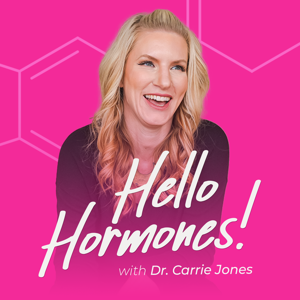
By Moxie Media


4.9
5555 ratings


The podcast currently has 85 episodes available.
The most played episodes among Podcast App listeners.
Testosterone still gets treated like the hormone women only need to think about when their sex drive disappears. But when women start talking about lower energy, slower workout recovery, brain fog, mood changes, or feeling like their body is responding differently than it used to, testosterone may deserve a closer look. And once testosterone therapy enters the conversation, another question comes up quickly: What is the best way to actually take it? That is where my conversation with Angelina gets really interesting. She works extensively with testosterone therapy and sees firsthand how differently women can respond depending on the dose, the delivery method, their symptoms, and what their labs are actually showing. We get into testosterone beyond libido, why total testosterone does not tell you the whole story, how SHBG can affect free testosterone, and why subcutaneous injections may offer another option for women who do not love creams, gels, pellets, or traditional intramuscular injections. We also talk about hair loss and other androgenic side effects, what can happen when testosterone is dosed too aggressively, and why proper monitoring matters. Angelina is a nurse practitioner who works with Medivant, a 503B outsourcing facility that compounds testosterone cypionate, and treats patients through Enhanced Metabolics. Her work focuses heavily on testosterone therapy, individualized dosing, lab monitoring, and helping patients and practitioners better understand different hormone delivery methods. What's Discussed: (01:21) Why testosterone matters for women and why there is still so much controversy around prescribing it. (04:50) How low testosterone can show up as low energy, poor workout recovery, brain fog, mood changes, lower motivation, and more than just low libido. (08:30) Why testosterone testing in women is controversial and why symptoms and labs need to be looked at together. (13:50) How SHBG and free testosterone can reveal more than total testosterone alone and why clinicians should avoid chasing one "perfect" number. (16:07) Why some women struggle with testosterone creams or gels and when injectable testosterone may offer another option. (21:17) How subcutaneous testosterone injections differ from intramuscular injections in needle size, absorption, peaks, and potential side effects. (26:58) Why testosterone does not automatically cause hair loss and which androgenic side effects can appear when the dose is too high. (30:08) What research exists on subcutaneous testosterone and why the conversation around women's quality of life needs more attention. (35:21) How a subcutaneous testosterone injection is actually given and why the needle may be much smaller than women expect. (42:15) The difference between 503A and 503B compounding pharmacies and why manufacturing and quality standards matter when choosing compounded testosterone. Free Resources: Join the Masterclass: One hour, completely free, just answers. Live or replay, it's waiting for you. Just go to drcarriejones.com/masterclass Head to drcarriejones.com/stages to grab What Stage of Perimenopause Am I In? Because the confusion is honestly worse than the symptoms sometimes. ✍️ FREE GUIDES: Top 7 Perimenopause Myths You Need to Stop Believing ASAP: drcarriejones.com/myths Hormones 101 Cheat Sheet: drcarriejones.com/hormones101 The Perimenopause & Menopause Labs Test Checklist: drcarriejones.com/labs The 101 on Stress, Cortisol And Your Nervous System Ebook: drcarriejones.com/stressfreebie Which Stage of Perimenopause Am I In? Ebook: drcarriejones.com/stages Find more from Dr. Carrie Jones: Website: drcarriejones.comNewsletter: drcarriejones.kit.com/newsletter Instagram: @dr.carriejonesFacebook: @drcarriejonesTikTok: @drcarriejonesYouTube: @drcarriejonesPinterest: @drcarriejones Find more from Angelina Norman & Medivant Healthcare: Website: medivanthealth.com LinkedIn: Angelina Norhttp://medivanthealth.comman, MSN, CRNP, FNP-C Disclaimer: Information provided on this channel is for informational purposes only. This information is NOT intended as a substitute for the advice provided by your physician or other healthcare professional, or any information contained on or in any product. Do not use the information provided on this channel for diagnosing or treating a health problem or disease, or prescribing medication or other treatment. Always speak with your physician or other healthcare professional before taking any medication or nutritional, herbal or other supplement, or using any treatment for a health problem. Information provided on this channel and the use of any products or services related to this podcast by you does not create a doctor-patient relationship between you and Dr. Carrie Jones. Information and statements regarding dietary supplements have not been evaluated by the Food and Drug Administration and are not intended to diagnose, treat, cure, or prevent ANY disease.

Only a small percentage of women use hormone therapy during perimenopause and menopause. Some cannot take it, some do not want it, and others simply want additional support alongside it. But when someone says she wants to manage menopause "naturally," what does that actually mean, and which options are genuinely worth considering? For this episode of Hello Hormones, I searched through thousands of women's comments, messages, and conversations to find the strategies they repeatedly said made a difference. I am breaking down nine categories, including dietary changes, herbs, nutrients, acupuncture, resistance training, cooling tools, and something women mentioned far more often than I expected: setting boundaries and protecting their time. We will talk about which options may be most useful for hot flashes, sleep, anxiety, mood, breast tenderness, and early perimenopause, along with important cautions around dosing, supplement quality, and choosing the right approach for your stage. You do not have to try everything, and you certainly do not have to suffer your way through this transition without support. What's Discussed 0:26 What "natural menopause support" can actually mean. 2:38 The dietary changes women said helped the most. 6:14 Ashwagandha, Estrovera®, black cohosh, and vitex. 12:20 Omega-3s, evening primrose oil, magnesium, and vitamin D. 16:34 Acupuncture, cooling tools, and resistance training. 19:03 Why boundaries and time alone may reduce symptoms. 21:49 Why women do not have to suffer through menopause untreated. ✍️ FREE GUIDES: Top 7 Perimenopause Myths You Need to Stop Believing ASAP: drcarriejones.com/myths Hormones 101 Cheat Sheet: drcarriejones.com/hormones101 The Perimenopause & Menopause Labs Test Checklist: drcarriejones.com/labs The 101 on Stress, Cortisol And Your Nervous System Ebook: drcarriejones.com/stressfreebie Which Stage of Perimenopause Am I In? Ebook: drcarriejones.com/stages Find more from Dr. Carrie Jones: Website: drcarriejones.com Newsletter: drcarriejones.kit.com/newsletter Instagram: @dr.carriejones Facebook: @drcarriejones TikTok: @drcarriejones YouTube: @drcarriejones Pinterest: @drcarriejones Disclaimer: Information provided on this channel is for informational purposes only. This information is NOT intended as a substitute for the advice provided by your physician or other healthcare professional, or any information contained on or in any product. Do not use the information provided on this channel for diagnosing or treating a health problem or disease, or prescribing medication or other treatment. Always speak with your physician or other healthcare professional before taking any medication or nutritional, herbal or other supplement, or using any treatment for a health problem. Information provided on this channel and the use of any products or services related to this podcast by you does not create a doctor-patient relationship between you and Dr. Carrie Jones. Information and statements regarding dietary supplements have not been evaluated by the Food and Drug Administration and are not intended to diagnose, treat, cure, or prevent ANY disease.
Perimenopause has a funny way of making your supplement cabinet grow overnight. Magnesium for sleep. Something for hair. Vitamin D for bones. A multivitamin because you are trying to cover your bases. Maybe another bottle for energy, digestion, or whatever new symptom decided to join the party this month. And I get it. When your hormones are changing and your body suddenly feels different, supplements can be incredibly helpful. But the bottle marketed to "women 50+" is not automatically the one I would choose, and the nutrient you recognize on the front may not tell you much about what you are actually getting. In this solo episode of Hello Hormones, I am sharing seven types of supplements I personally do not love and the things I look at before spending money on them. I have spent more than 20 years in women's hormone health and the supplement field, worked with hundreds of companies, and gotten very familiar with production, manufacturing, testing, and quality. So yes, I have opinions. And if your midlife supplement cabinet is getting a little crowded, this episode will help you figure out which bottles deserve their spot and which ones deserve a second look. What's Discussed 0:37 Why fish oil can oxidize and become pro-inflammatory. 4:05 What to inspect before buying a hard tablet multivitamin. 7:45 The two letters that reveal synthetic vitamin E. 9:22 Why magnesium oxide may move your bowels without providing much magnesium. 11:47 Why vitamin D needs magnesium and vitamin K2. 12:54 How high-dose biotin can interfere with certain lab tests. 15:15 Why herbal companies should provide testing and a certificate of analysis. Listen to learn which supplement red flags I check first, what the ingredient label may be hiding, and how to make more informed decisions before buying your next bottle. Join the Masterclass Replay: Head to drcarriejones.com/masterclass to access the free Estrogen and Progesterone Masterclass replay. ✍️ FREE GUIDES: Top 7 Perimenopause Myths You Need to Stop Believing ASAP: drcarriejones.com/myths Hormones 101 Cheat Sheet: drcarriejones.com/hormones101 The Perimenopause & Menopause Labs Test Checklist: drcarriejones.com/labs The 101 on Stress, Cortisol And Your Nervous System Ebook: drcarriejones.com/stressfreebie Which Stage of Perimenopause Am I In? Ebook: drcarriejones.com/stages Find more from Dr. Carrie Jones: Website: drcarriejones.com Newsletter: drcarriejones.kit.com/newsletter Instagram: @dr.carriejones Facebook: @drcarriejones TikTok: @drcarriejones YouTube: @drcarriejones Pinterest: @drcarriejones Disclaimer: Information provided on this channel is for informational purposes only. This information is NOT intended as a substitute for the advice provided by your physician or other healthcare professional, or any information contained on or in any product. Do not use the information provided on this channel for diagnosing or treating a health problem or disease, or prescribing medication or other treatment. Always speak with your physician or other healthcare professional before taking any medication or nutritional, herbal or other supplement, or using any treatment for a health problem. Information provided on this channel and the use of any products or services related to this podcast by you does not create a doctor-patient relationship between you and Dr. Carrie Jones. Information and statements regarding dietary supplements have not been evaluated by the Food and Drug Administration and are not intended to diagnose, treat, cure, or prevent ANY disease.
Perimenopause has a way of making you wonder where you are in the process and how much longer this hormonal roller coaster plans to keep going. Your period disappears for two months, comes back like nothing happened, your joints suddenly hurt, your brain feels foggy, and now you are waking up sweaty at 3 a.m. wondering if you have officially entered a new stage. Here's where things get interesting. Late-stage perimenopause actually has a research definition, and one of the biggest clues is going 60 days or more without a period. But your cycle is only part of the picture. As estrogen and progesterone start spending more time on the lower end, symptoms like hot flashes, night sweats, joint pain, dryness, recurrent UTIs, brain fog, and changes in body composition can become more noticeable. And while we love a good lab test, there is no single blood test that can neatly tell you, "Congratulations, you are now in late-stage perimenopause." In this solo episode of Hello Hormones, I am breaking down the seven signs I commonly see as women move further into the perimenopause transition, plus what FSH, estradiol, and progesterone can actually tell us along the way. We are talking skipped periods, the estrogen connection to frozen shoulder and joint pain, why dryness can suddenly show up everywhere, what may be behind new UTIs or vaginal changes, how late-stage brain fog can feel different, and why your body composition may shift even when your habits have not dramatically changed. If you have been wondering, "Is this still perimenopause, and what on earth is my body doing?" This episode will give you a much clearer map. Head to drcarriejones.com/stages to grab What Stage of Perimenopause Am I In? Because the confusion is honestly worse than the symptoms sometimes. What's Discussed: (00:00) How to tell when you may be moving from early to late-stage perimenopause. (01:54) Why there is no single lab test that can definitively tell you whether you are in perimenopause. (03:48) The seven symptoms that tend to become more noticeable as women move into late-stage perimenopause. (05:18) Why hot flashes and night sweats can ramp up as periods become less frequent and estrogen stays lower for longer. (06:43) How declining estrogen can contribute to joint pain, frozen shoulder, hip pain, and the musculoskeletal syndrome of menopause. (08:12) Why perimenopause can cause dryness throughout the body, including the eyes, skin, nose, hair, joints, and vaginal tissue. (09:51) How changing estrogen levels can contribute to recurrent UTIs, vaginal discomfort, and shifts in the vulvovaginal microbiome. (11:49) Why brain fog can become more noticeable later in perimenopause and feel like your brain is moving through "honey." (14:44) How later-stage hormone changes can affect weight, fat distribution, cravings, and body composition even when your habits have not dramatically changed. (18:09) The 60-day cycle change that research uses to classify late-stage perimenopause and what that transition can actually look like. ✍️ FREE GUIDES: Top 7 Perimenopause Myths You Need to Stop Believing ASAP: drcarriejones.com/myths Hormones 101 Cheat Sheet: drcarriejones.com/hormones101 The Perimenopause & Menopause Labs Test Checklist: drcarriejones.com/labs The 101 on Stress, Cortisol And Your Nervous System Ebook: drcarriejones.com/stressfreebie Which Stage of Perimenopause Am I In? Ebook: drcarriejones.com/stages Find more from Dr. Carrie Jones: Website: drcarriejones.com Newsletter: drcarriejones.kit.com/newsletter Instagram: @dr.carriejones Facebook: @drcarriejones TikTok: @drcarriejones YouTube: @drcarriejones Pinterest: @drcarriejones Disclaimer: Information provided on this channel is for informational purposes only. This information is NOT intended as a substitute for the advice provided by your physician or other healthcare professional, or any information contained on or in any product. Do not use the information provided on this channel for diagnosing or treating a health problem or disease, or prescribing medication or other treatment. Always speak with your physician or other healthcare professional before taking any medication or nutritional, herbal or other supplement, or using any treatment for a health problem. Information provided on this channel and the use of any products or services related to this podcast by you does not create a doctor-patient relationship between you and Dr. Carrie Jones. Information and statements regarding dietary supplements have not been evaluated by the Food and Drug Administration and are not intended to diagnose, treat, cure, or prevent ANY disease.
One thing I hear all the time from women in perimenopause is how confusing weight loss can suddenly become. They try the diet everyone online is swearing by. The scale does not move. They tighten things up. Still nothing. And somehow the advice keeps coming back to the same thing: eat less. But how long can "eat less" be the answer before we start asking a better question? That is what made this conversation with Dr. Bill Campbell so interesting to me. He is studying women who already exercise and pay attention to nutrition to figure out whether weight loss resistance during the menopause transition is actually real, or whether something else is getting blamed on hormones. In his preliminary survey, roughly 75 to 80% of peri- and postmenopausal women reported experiencing weight loss resistance. The number is huge, but the WHY behind it is what he is trying to uncover. Dr. Bill Campbell is a professor and director of the Performance and Physique Enhancement Laboratory at the University of South Florida. He has spent his career studying fat loss, resistance training, and body composition, but his own wife's experience through menopause made him realize there were questions his research still could not answer. 22:17 Whether weight loss resistance in perimenopause is actually real, and what the 75–80% number really tells us. 26:39 What happens when cutting calories even lower still does not get the scale moving. 32:09 How much protein women may actually need to protect muscle while working on body composition. 41:07 Why years of dieting and repeated weight-loss cycles may matter more once midlife hits. 51:46 How heavy women really need to lift in their 40s and 50s, especially when strength training is new. 1:02:16 Where hormone therapy fits into the weight conversation, and why the research is not as simple as "estrogen makes you lose weight." If the scale feels a whole lot more stubborn in midlife, this episode gets into the research behind why "just eat less" may be way too simple of an answer. Free Resources: Hormones 101 Cheat Sheet: Head to drcarriejones.com/hormones101 to grab your free copy. Because understanding your hormones shouldn't require a medical degree—just 7 pages and maybe a cup of coffee. Masterclass Replay: Join the Masterclass Replay: Head to drcarriejones.com/masterclass to access the free Estrogen and Progesterone Masterclass replay. ✍️ FREE GUIDES: Top 7 Perimenopause Myths You Need to Stop Believing ASAP: drcarriejones.com/myths Hormones 101 Cheat Sheet: drcarriejones.com/hormones101 The Perimenopause & Menopause Labs Test Checklist: drcarriejones.com/labs The 101 on Stress, Cortisol And Your Nervous System Ebook: drcarriejones.com/stressfreebie Which Stage of Perimenopause Am I In? Ebook: drcarriejones.com/stages Find more from Dr. Carrie Jones: Website: drcarriejones.com Newsletter: drcarriejones.kit.com/newsletter Instagram: @dr.carriejones Facebook: @drcarriejones TikTok: @drcarriejones YouTube: @drcarriejones Pinterest: @drcarriejones Find more from Bill Campbell: Website: billcampbellphd.com Instagram: @billcampbellphd Disclaimer Information provided on this channel is for informational purposes only. This information is not intended as a substitute for advice provided by your physician or another qualified healthcare professional, or for information contained in any product. Do not use the information provided on this channel to diagnose or treat a health condition, prescribe medication, change the dosage of medication, or stop treatment. Always speak with a qualified healthcare professional before taking medication, supplements, or beginning another treatment. Information provided on this channel and the use of any related products or services do not create a doctor-patient relationship between you and Dr. Carrie Jones.
The podcast currently has 85 episodes available.

1,076 Listeners

987 Listeners
9,155 Listeners
639 Listeners

337 Listeners
137 Listeners
614 Listeners
1,139 Listeners
505 Listeners

116 Listeners

299 Listeners
1,685 Listeners
561 Listeners

60 Listeners

1,218 Listeners