
Sign up to save your podcasts
Or

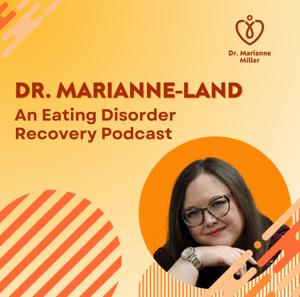

Many people discover they are autistic only after years of struggling with eating disorders. This episode explores how a late autism diagnosis can reshape recovery by offering new understanding, compassion, and practical tools that fit the neurodivergent brain.
Receiving an autism diagnosis in adulthood can bring both clarity and grief. It helps explain lifelong struggles with sensory overload, food textures, or social expectations, while revealing how years of misdiagnosis delayed meaningful support. In recovery, recognizing autism can change everything by connecting eating patterns to sensory differences and masking rather than willpower or motivation.
Autistic masking often overlaps with eating disorder behaviors. Restricting food, eating “normally” in social settings, or following rigid meal plans can become ways to hide difference and avoid judgment. This chronic effort to appear typical creates exhaustion and disconnection from true needs.
At the same time, sensory experiences around food are often intense. Taste, smell, temperature, and texture can feel overwhelming or unpredictable. Foods that others find pleasant may feel unsafe or even painful. Sustainable recovery begins when we make space for sensory preferences and allow eating to feel safe rather than forced.
Avoidant or Restrictive Food Intake Disorder (ARFID) frequently occurs alongside autism. This overlap reflects sensory sensitivities, fear of choking or nausea, and low appetite rather than body image concerns. Recognizing this link shifts the goal of recovery away from compliance and toward creating safety, autonomy, and predictability in eating.
Autism and eating disorders cannot be separated from the realities of race, gender, body size, class, and sexuality. Marginalized people are less likely to be diagnosed early and more likely to experience bias in treatment. Fat, BIPOC, and queer autistic people are often labeled as resistant when their needs are simply misunderstood.
A liberation-based approach to recovery asks how we can build care that honors the whole person. It challenges systems that pathologize difference and reframes healing as a process of reclaiming identity and dignity, not just changing eating behaviors.
Dr. Marianne shares the story of a fat, queer woman of color who learned she was autistic in her late 30s after years of being told she was noncompliant in treatment. Providers dismissed her sensory distress and focused only on weight loss. She masked constantly, pretending to eat foods that overwhelmed her senses in order to appear cooperative.
Her diagnosis transformed her recovery. She began to design meals that respected her sensory needs, sought affirming providers, and connected with other neurodivergent women of color. Once her care aligned with her full identity, shame gave way to self-trust, and recovery finally felt sustainable.
A late autism diagnosis does not make recovery harder, but it does require reframing what recovery means. Sensory-attuned approaches allow individuals to choose foods that feel safe rather than forcing exposure to distressing ones. Predictable meal routines and gentle flexibility can replace pressure to eat intuitively when interoception is limited.
Executive functioning supports such as reminders, meal prep systems, and visual cues make daily nourishment possible. These tools are not crutches; they are accommodations. Recovery also involves boundary-setting and self-advocacy after years of masking needs. Finding autistic and intersectional community can turn isolation into belonging, making recovery not just about food but about identity and connection.
This episode is for autistic adults in recovery, clinicians learning to support neurodivergent clients, and anyone who has realized that standard eating disorder treatment does not fit. It also speaks to people exploring how autism, sensory processing, and identity intersect with food and body experiences.
If these experiences sound familiar, explore Dr. Marianne’s ARFID & Selective Eating Course. This self-paced course teaches consent-based and sensory-attuned strategies for reducing eating distress and building a more supportive relationship with food at your own pace.
 View all episodes
 By mariannemillerphd
5
1212 ratings
Many people discover they are autistic only after years of struggling with eating disorders. This episode explores how a late autism diagnosis can reshape recovery by offering new understanding, compassion, and practical tools that fit the neurodivergent brain.
Receiving an autism diagnosis in adulthood can bring both clarity and grief. It helps explain lifelong struggles with sensory overload, food textures, or social expectations, while revealing how years of misdiagnosis delayed meaningful support. In recovery, recognizing autism can change everything by connecting eating patterns to sensory differences and masking rather than willpower or motivation.
Autistic masking often overlaps with eating disorder behaviors. Restricting food, eating “normally” in social settings, or following rigid meal plans can become ways to hide difference and avoid judgment. This chronic effort to appear typical creates exhaustion and disconnection from true needs.
At the same time, sensory experiences around food are often intense. Taste, smell, temperature, and texture can feel overwhelming or unpredictable. Foods that others find pleasant may feel unsafe or even painful. Sustainable recovery begins when we make space for sensory preferences and allow eating to feel safe rather than forced.
Avoidant or Restrictive Food Intake Disorder (ARFID) frequently occurs alongside autism. This overlap reflects sensory sensitivities, fear of choking or nausea, and low appetite rather than body image concerns. Recognizing this link shifts the goal of recovery away from compliance and toward creating safety, autonomy, and predictability in eating.
Autism and eating disorders cannot be separated from the realities of race, gender, body size, class, and sexuality. Marginalized people are less likely to be diagnosed early and more likely to experience bias in treatment. Fat, BIPOC, and queer autistic people are often labeled as resistant when their needs are simply misunderstood.
A liberation-based approach to recovery asks how we can build care that honors the whole person. It challenges systems that pathologize difference and reframes healing as a process of reclaiming identity and dignity, not just changing eating behaviors.
Dr. Marianne shares the story of a fat, queer woman of color who learned she was autistic in her late 30s after years of being told she was noncompliant in treatment. Providers dismissed her sensory distress and focused only on weight loss. She masked constantly, pretending to eat foods that overwhelmed her senses in order to appear cooperative.
Her diagnosis transformed her recovery. She began to design meals that respected her sensory needs, sought affirming providers, and connected with other neurodivergent women of color. Once her care aligned with her full identity, shame gave way to self-trust, and recovery finally felt sustainable.
A late autism diagnosis does not make recovery harder, but it does require reframing what recovery means. Sensory-attuned approaches allow individuals to choose foods that feel safe rather than forcing exposure to distressing ones. Predictable meal routines and gentle flexibility can replace pressure to eat intuitively when interoception is limited.
Executive functioning supports such as reminders, meal prep systems, and visual cues make daily nourishment possible. These tools are not crutches; they are accommodations. Recovery also involves boundary-setting and self-advocacy after years of masking needs. Finding autistic and intersectional community can turn isolation into belonging, making recovery not just about food but about identity and connection.
This episode is for autistic adults in recovery, clinicians learning to support neurodivergent clients, and anyone who has realized that standard eating disorder treatment does not fit. It also speaks to people exploring how autism, sensory processing, and identity intersect with food and body experiences.
If these experiences sound familiar, explore Dr. Marianne’s ARFID & Selective Eating Course. This self-paced course teaches consent-based and sensory-attuned strategies for reducing eating distress and building a more supportive relationship with food at your own pace.

7,263 Listeners

2,504 Listeners

133 Listeners
281 Listeners
48 Listeners
105 Listeners

367 Listeners

3,847 Listeners

41,566 Listeners

19,768 Listeners

150 Listeners

3,605 Listeners
21 Listeners

8 Listeners