
Sign up to save your podcasts
Or

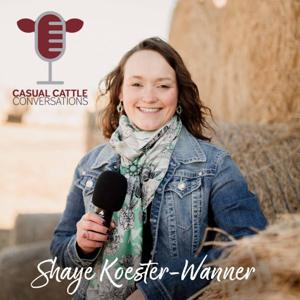

Today on Casual Cattle Conversations, Shaye interviews Devlon Ford, a regenerative ranching advisor at the Noble Research Institute, about managing drought in cattle operations. Ford explains drought-stress indicators producers should watch for, including forage color and condition, lack of rainfall, and cattle manure consistency as a signal of declining forage protein.
Reactive options discussed include early weaning, strategic destocking (culling old, open, ornery, and poor performers while considering market profitability), and carefully analyzing the costs of purchasing hay or supplements. He also suggests subdividing pastures to increase stock density, improve grazing uniformity, and extend recovery time. Proactively, Ford emphasizes calculating carrying capacity and setting stocking rate below it, using rainfall trigger dates for destocking decisions, avoiding overgrazing to protect soil cover and biology, and using flexible enterprises like stockers/custom grazing during high-forage years.
Learn about carrying capacity and stocking rate with Devlon: https://www.casualcattleconversations.com/casual-cattle-conversations-podcast-shownotes/devlon-ford
Catch more conversations like this one and learn more at https://www.casualcattleconversations.com/
 View all episodes
 By casualcattleconversations

4.9
7272 ratings
Today on Casual Cattle Conversations, Shaye interviews Devlon Ford, a regenerative ranching advisor at the Noble Research Institute, about managing drought in cattle operations. Ford explains drought-stress indicators producers should watch for, including forage color and condition, lack of rainfall, and cattle manure consistency as a signal of declining forage protein.
Reactive options discussed include early weaning, strategic destocking (culling old, open, ornery, and poor performers while considering market profitability), and carefully analyzing the costs of purchasing hay or supplements. He also suggests subdividing pastures to increase stock density, improve grazing uniformity, and extend recovery time. Proactively, Ford emphasizes calculating carrying capacity and setting stocking rate below it, using rainfall trigger dates for destocking decisions, avoiding overgrazing to protect soil cover and biology, and using flexible enterprises like stockers/custom grazing during high-forage years.
Learn about carrying capacity and stocking rate with Devlon: https://www.casualcattleconversations.com/casual-cattle-conversations-podcast-shownotes/devlon-ford
Catch more conversations like this one and learn more at https://www.casualcattleconversations.com/
85 Listeners
435 Listeners

125 Listeners
392 Listeners
24 Listeners
1,329 Listeners
113 Listeners

31 Listeners
235 Listeners
76 Listeners
1,694 Listeners

203 Listeners

24 Listeners
29 Listeners

274 Listeners