
Sign up to save your podcasts
Or

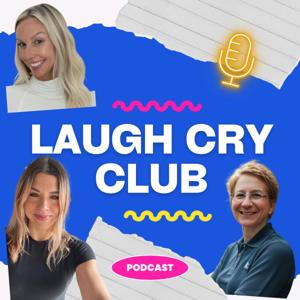


Build Happiness, Not the Finish Line: Hard Things and the Four PillarsLicensed therapists Joy and Rebecca continue discussing Arthur Brooks’ Build the Life You Want (part two), shifting from the “arrival fallacy” and social-media-driven chasing to actively building happiness through four pillars: family, friendship, work, and faith/spirituality, while noting this is a tool—not a cure for clinical depression. They reflect on aging as a privilege, inspired by Anderson Cooper’s grief podcast and his interview with Sheryl Sandberg, and emphasize that difficulty, grit, and meaningful challenges create satisfaction more than pleasure or “shiny” dopamine hits. They discuss avoiding productivity and salary as primary measures of worth, using small daily connection habits (birthday messages, thoughtful acts, talking to neighbors), and making one-degree changes rather than overhauls. They preview a brief hiatus due to Joy’s travel and encourage listeners to get uncomfortable and report back.00:00 Welcome To Laugh Cry Club01:13 Part Two Setup01:29 Birthday Mindset Shift02:50 Grief Podcast Lessons07:12 Arrival Fallacy Explained07:56 Happiness Is Built12:02 Social Media Reality Check14:44 Hard Things Build Joy16:41 Spinning Wheels And Avoidance17:54 Ads vs Real Joy18:49 Connection Takes Effort19:41 Grit Builds Satisfaction21:44 Work Trap and Meaning27:01 No Finish Line Mindset29:53 Four Pillars in Daily Life32:13 Small Steps Not Shopping34:55 Mood Check and Tools35:57 Wrap Up and Challenge
Happiness Isn’t the Goal: Tolerating Emotions, Avoiding the Arrival Fallacy, and Building a Life You WantThe Depression BookLicensed therapists Joy and Rebecca discuss themes from Arthur Brooks’ book Build the Life That You Want (with Oprah), emphasizing that happiness is not the goal and unhappiness is not the enemy. They describe how society and social media promote an “arrival fallacy” (believing happiness will come after marriage, money, or achievements) and how dopamine-driven habits like scrolling, shopping, substances, or even candy can become attempts to escape discomfort. They argue negative emotions are necessary information for safety and growth, and that emotional pain is processed similarly to physical pain, requiring tools and sometimes professional or medical support (noting clinical depression and hormone-related midlife mental health concerns). They encourage mindfulness, defining personal meaning, and focusing on daily actions that reliably trend toward happiness, such as movement, nature, learning, and relationships.00:00 Welcome to Laugh Cry Club00:33 Why It Finally Clicks01:26 Book Topic Setup02:50 Happiness Myth Culture04:13 Unhappiness Not Enemy05:31 Self Help and DSM Story08:28 Arrival Fallacy Explained12:27 Lean Into Sadness14:12 Emotions as Survival Data15:47 Physical vs Emotional Pain17:55 Stop Stuffing Feelings18:50 Depression Fear Check In20:18 Tools Over Avoidance22:25 Dopamine Trap Culture24:07 Welcome Every Emotion26:07 Build Happiness Daily31:31 Mindfulness Over Hits32:57 Arrival Fallacy Reframe34:09 Wrap Up And Connect
Living With Uncertainty: Scams, Jump Scares, and Staying EmpoweredJoy and Rebecca return to the Laugh Cry Club after a week off—Rebecca attended and presented at a medical conference in Seattle while Joy celebrated her wedding anniversary in New Mexico. They share laughs, including Rebecca being jump-scared by the series Widow’s Bay and Joy accidentally ordering flowers from a scam-looking website. The episode focuses on uncertainty: why human brains hate not knowing, how it triggers anxiety, rumination, and checking behaviors, and why attempts to eliminate uncertainty (excessive researching, over-planning, calendar-checking, or avoidance) bring only temporary relief. They emphasize distinguishing control vs. no-control, preparing in practical ways, separating possibility from probability, avoiding contagious “anxiety talk,” and building resilience and self-trust, including seeking therapy or coaching when needed.00:00 Welcome Back Updates00:28 Seattle Conference Vibes01:25 Hot Pot First Timer04:25 Today Topic Uncertainty04:40 Jump Scare Storytime06:59 Pillsbury Pop Scares08:21 Flower Scam Panic13:17 Scams And Vulnerability14:55 Why Uncertainty Matters15:26 Why Uncertainty Hurts16:35 Checking And Rumination Spirals17:46 Building Tolerance For Discomfort22:01 Mindfulness Over False Control23:34 Work Rumors And Job Anxiety25:14 Prepare What You Can Control31:09 Avoid Contagious Anxiety Talk34:36 Possibility Versus Probability36:28 Thriving Through Hard Seasons37:41 Support And Closing Thoughts
Managing a Partner’s “Bad Habits”: Self-Regulation, Stages of Change, and Better ConversationsHosts Joy and Rebecca of the Laugh Cry Club, two licensed therapists, open with Joy’s birthday reflections and light conversation before addressing a listener email about managing a partner’s bad habits. They discuss how habits often function as self-regulation and coping skills shaped by upbringing, nervous-system baseline, trauma, and environment, and become “bad” when they interfere with life or relationships. They emphasize that partners cannot force change, and recommend approaching concerns with curiosity on neutral ground, setting conversation ground rules, and considering couples therapy. Joy shares breaking her own conflict “template” by pausing and changing scenery. They review the stages of change (pre-contemplation through maintenance), suggest habit stacking, and recommend Gottman resources for daily relationship check-ins. They announce a week off and future book-club plans, including Arthur C. Brooks’ “Build the Life You Want.”00:00 Birthday Sleep Win01:50 Gratitude and Messages02:56 Trader Joes Fall Finds04:25 Decor Tangents and Toilets06:24 Treat Yourself Spending07:42 Catching Up and Podcast Intro09:48 Listener Question Setup10:12 Why Habits Form12:04 Childhood Chaos and Regulation14:39 Coping Skills Not Bad Habits16:10 How Environment Shapes Addiction16:45 Talking Without Criticism19:17 Breaking Reactive Templates26:36 Assumptions And Relationship Fear30:14 Stages Of Change Explained32:10 Habit Stacking And Letting Go35:44 Investing In The Partnership38:10 Book Club And Final Wrap
Bougie Habits, Decluttering, and Finding Joy in Small ThingsThe hosts riff on “bougie” spending after discussing an overpriced Aviator Nation hat and whether their lifestyles fit luxury items like Prada or Gucci, then shift into how trends and brand loyalty affect their choices. They talk about frugality shaped by blue-collar upbringing, saving mindsets, and the book “Die With Zero” as a challenge to over-saving in favor of life experiences. The conversation turns to decluttering strategies, purging before and after moves, donating versus selling, and tips for Facebook Marketplace. They close by sharing what’s bringing joy: a foster dog’s puppy energy, favorite shows and documentaries, September weather and a birthday, and watching Beetlejuice to manage a bad mood day.00:00 Bougie Hat Talk01:05 Designer Bags Debate02:43 Trendy Sneakers Rabbit Hole05:18 Magnolia And Brand Identity07:26 Jeans Trends And Aging10:13 Closet Overhaul Confessions13:34 Marie Kondo Purge Mindset15:32 Moving And Letting Go17:10 Marketplace Selling With ChatGPT19:58 Bike Deals and Value20:17 Decluttering vs Keeping Stuff22:21 Fear of Letting Go25:01 Die With Zero Mindset27:16 What Brings Joy Now30:36 September Vibes and Hormones34:15 Marketplace Selling Tips37:17 Therapeutic Purging Wrap38:00 Final Thanks and Outro
Grief, Parasocial Loss, and Supporting a Depressed PartnerJoy and Rebecca open the Laugh Cry Club reflecting on a heavy week marked by the deaths of icons Dolly Parton and Tim Curry, sharing personal memories, Dolly’s philanthropic legacy and inclusive quotes, Tim Curry’s notable roles, and how parasocial relationships make celebrity loss feel real—especially for Gen X. They transition to a listener question about supporting a depressed spouse/partner, emphasizing that relationships are hard, healing has no timeline, and you can’t force someone into therapy or control outcomes without slipping into codependent or enabling behaviors. They recommend compassion paired with acknowledging impact, avoiding blame and passive-aggression, learning each other’s communication histories, using safer settings (walks/drives), prompts, scaling and ground rules, and considering couples therapy to break harmful communication cycles.00:00 Welcome Back Laugh Cry Club00:27 Grieving Dolly Parton03:17 Dolly Legacy and Love05:58 Concert Memories and Humor07:32 Remembering Tim Curry09:52 Aging and Big Questions11:53 Supporting Depressed Partners15:05 Boundaries and Codependency16:19 Depression Impact and Differences17:53 Gendered Coping Patterns18:22 Caretaker Trap and Control20:06 Enabling and Fear of Loss21:26 Accepting Change in Partners22:42 Mindful Communication Habits23:40 Passive Aggression Check26:07 Better Talks and Couples Therapy29:12 Conversation Ground Rules32:10 Depression Is Not About You34:41 Redefining Relationship Success36:41 Closing and Community Support
Processing Intentional Disasters: Grief, Safety, and Healing After a Human-Caused FireJoy and Rebecca of the Laugh Cry Club, drawing on their behavioral and mental health experience, respond to a listener who lost their home in a fire. They discuss how such events create complicated grief, shock, anger, and hypervigilance, and how the brain searches for “why” and closure even when irrational or antisocial behavior may never make sense. They encourage allowing full emotions without comparative suffering or self-gaslighting, noting that fear of “opening the floodgates” is common but feelings won’t last at peak intensity forever. Practical suggestions include reestablishing safety and stability, grounding day-by-day, seeking validation through support groups or community, considering giving back, and using therapeutic tools like writing a letter/victim impact statement.00:00 Welcome Back Intro01:03 Tori Amos Night02:14 Listener Disaster Question04:33 Why We Need Answers07:06 Personal Unresolved Loss10:10 Irrational Harm Explained13:41 Randomness And Safety16:00 Grief Without Comparison18:23 Feel It Dont Suppress21:00 Rebuild Safety Support24:53 Control Giving Back27:19 Therapeutic Letter Tools28:12 Closing And Takeaways
Nature vs. Nurture: Free Will, Genetics, and Breaking AutopilotJoy and Rebecca, licensed therapists hosting the Laugh Cry Club podcast, discuss nature versus nurture and how genetics and environment interact rather than compete. They reference a 2015 meta-analysis of over 14 million twin pairs and about 18,000 traits, noting an average heritability around 49% and explaining that heritability reflects variation within a population, not a direct percentage of a person caused by genes. They share personal examples of inherited traits (introversion, skepticism, and family patterns like sexuality) and nurtured values like compassion and open-mindedness, and mention the Mackenzie Shirilla case as a lack-of-nurture example. They explore free will within life’s constraints, encourage curiosity about default behaviors, and address how phrases like “that’s just how I am” or “I’m just being honest” can be defenses that shut down accountability. They caution against toxic positivity and emphasize pausing, repairing harm, and focusing on what you can control.00:00 Podcast Welcome00:46 NPR Car Talk Nostalgia02:06 What We Cover Here02:31 Nature Versus Nurture Intro03:26 Imposter Syndrome Spark05:03 Twin Study Findings06:26 Outliers And Misuse07:18 Inherited Traits Examples09:54 Nurture Values And Family10:38 Case Study Mackenzie12:01 Baseline And Free Will13:22 Grace Versus Shaming15:08 Challenging Our Patterns15:25 Feedback Fight Reflection16:23 Shame And Threat16:39 Thats Just How I Am18:13 Honesty As Defense20:27 Listen For Deflections21:21 Autopilot And Change23:33 Toxic Positivity Pushback25:40 Life Cards And Control31:28 Stretch Into Discomfort32:51 Relationship Repair Example33:48 Closing And Contact
Celebrity Mental Health, Live-Streamed Crises, and How to Respond CompassionatelyLicensed therapists Joy and Rebecca discuss recent mental health news involving celebrities and what it reveals about fame, projection, parasocial relationships, and social media’s impact. They address reports that blogger Perez Hilton experienced a severe self-harm crisis that was live-streamed and explore why someone might broadcast self-harm as a distant but “safe” cry for help, referencing similar public struggles (Aaron Carter’s addiction-related posts and musician Ryan Adams’ isolating social media behavior). They caution against normalizing public takedowns and body commentary, noting headlines about Ariana Grande’s appearance and how society’s judgment can intensify harm, citing Ingrid Andress’ public intoxication and rehab and the shame faced by Milli Vanilli. They also discuss postpartum psychosis in relation to the Clancy trial, urge direct supportive questioning, explain how therapists assess suicidal ideation and when holds/wellness checks may occur, and share 988 as a U.S. crisis resource.00:00 Welcome to Laugh Cry Club01:07 Why Celebrity Mental Health01:49 Pressure and Projection03:44 Vultures and Yes People05:19 Social Media Witnessing06:21 Perez Hilton Crisis09:38 Why Live Stream Self Harm11:38 Ryan Adams and Isolation16:18 Parasocial Access and Helplessness17:53 Fame Doubt and Support19:50 Next Headlines Ariana and Clancy20:23 Postpartum fears and stigma22:03 Spotting signs and asking directly23:15 Therapy and 72-hour holds24:27 Suicide risk assessment steps26:31 Police wellness checks explained30:26 Ariana Grande and body talk32:14 Celebrity shame and projection34:06 Fame takedowns then and now36:14 Coldplay scandal and accountability37:28 988 resources and goodbye
Projection: What It Says About Us (You Spot It, You Got It)Joy and Rebecca catch up about the end of summer and shifting seasons before exploring psychological projection—attributing one’s own positive or negative traits, feelings, or insecurities to others—as a defense mechanism tied to survival and self-protection. They discuss how projection can show up in work dynamics (Joy’s toxic boss triggering her inner critic), diet culture reactions amid GLP-1/peptide trends, road rage, anger at rule-breaking (e-bikes), irritation with bragging, and frustration toward social-media “coaches,” highlighting themes of jealousy, unfairness, and identity. They note projection can also be positive through idolizing traits we desire. The hosts encourage curiosity and self-reflection—asking “Is this about them or me?”—and reference Martha Beck’s “You Spot It, You Got It,” 00:00 Welcome Back Catch Up00:48 Fall Feelings Anxiety02:13 Loving Season Changes03:20 Projection Intro04:23 Boss Trigger Example05:12 What Projection Is07:05 You Spot It You Got It08:11 Diet Culture Projection10:31 Road Rage And Rules13:07 Social Media Jealousy15:46 Now What To Do16:27 Steps To Self Reflect16:49 Lazy People Trigger17:29 Projection Self Protection19:00 Therapy Mirror Moment19:49 Beliefs Turn Ugly24:23 Identity And Survival25:33 Positive Projection26:04 Personal Triggers Share27:38 Micromanage And Misread30:37 Curiosity And Wrap Up
From the publisher's feed

1,177 Listeners

8,520 Listeners

12,706 Listeners

69,492 Listeners

4,106 Listeners

3,136 Listeners
4 Listeners
543 Listeners

41,366 Listeners

414 Listeners

19,061 Listeners

505 Listeners

1,062 Listeners