
Sign up to save your podcasts
Or

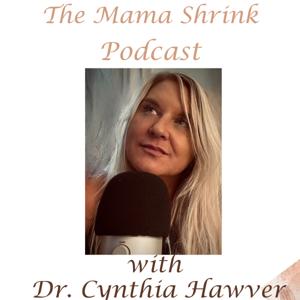


I would like to dive into the concept of mindset shifting in the next 2 episodes of the Mama Shrink Podcast because I feel that this is such a big thing. It’s one thing to think about something in a certain way and it’s a whole different level when you really believe what you’re talking about. This comes down to the whole concept of the biology of belief.
So today, I’m going to talk about self-sabotage. What is it, how do we do it, and why we do it. I have personally engaged in self-sabotaged throughout my life and have seen this cycle in many women that I have worked with over the years. I share about this in order to help you move out of this vicious cycle and become a happier mom and woman.
So, let’s discuss Self-Sabotage
Resources:
Dr. Cynthia Hawver's website: drcynthiah.com and you can find me on the socials
@dr.cynthiahawver
Ever wondered why common courtesy seems to be fading away in today's world? What if teaching manners could make a significant impact on our lives and society? In this podcast episode, Dr. Cynthia Hawver, a licensed psychologist and host of the Mama Shrink podcast, passionately addresses the decline of manners in society, emphasizing the need for parents to actively teach their children these essential skills. Dr. Haver shares personal anecdotes and observations, ranging from the lack of door-holding to the rise of disrespectful behavior in children. She dives into various aspects of manners, covering interruptions, speaking disrespectfully, saying "please" and "thank you," and even extends the discussion to modern challenges like cell phone etiquette.
Dr. Hawver advocates for modeling good behavior as the foundation for teaching manners to children. She stresses the significance of addressing interrupting, disrespectful speech, and the importance of expressions like "please" and "thank you." The discussion expands to encompass behavior at the table, societal politeness, and the need to instill courtesy in email communication and other forms of modern interaction. Throughout, she highlights the pivotal role of parents in shaping their children's behavior and fostering kindness.
Key Takeaways:
Resources:
Facebook Group: Dr. Cynthia Midlife Mamas https://www.facebook.com/groups/drcynthiamidlifemamas
Dr. Cynthia Hawver's website: drcynthiah.com and you can find me on the socials @dr.cynthiahawver
In this insightful podcast episode, Dr. Cynthia, a seasoned psychologist, delves into the complex realm of guilt, particularly experienced by mothers. Opening up with a raw exploration of societal expectations and the relentless pursuit of perfection, she addresses the common narrative of moms feeling guilty for perceived imperfections and societal pressures. Dr. Cynthia shares personal anecdotes and professional insights, revealing the multifaceted aspects of guilt, from work-life balance struggles to the challenges of setting boundaries.
Dr. Cynthia addresses the origins of guilt, rooted in upbringing, cultural influences, and personal values. Drawing from her experience, she highlights how guilt can be a generational hand-me-down, perpetuating patterns that need breaking. The episode explores various scenarios, from the guilt associated with work-life balance to the intricate dynamics of relationships and divorce. Dr. Cynthia discusses the unhealthy use of guilt as a form of emotional manipulation, shedding light on power dynamics and the role of insecurities. By encouraging self-reflection, she guides listeners to differentiate between healthy guilt that prompts positive change and the unhealthy burden that hinders growth.
Key Takeaways:
Resources:
Dr. Cynthia Hauver's website: drcynthiah.com and you can find me on the socials @dr.cynthiahawver
Ever wondered how to navigate family drama during the holiday season? Curious about setting boundaries and making the most of this special time of year? In this podcast episode, Dr. Cynthia discusses the intricacies of managing family dynamics during the holiday season. Drawing from personal experiences and professional wisdom, she provides practical advice on setting boundaries, dealing with difficult relatives, and ensuring a more enjoyable and meaningful celebration.
Dr. Cynthia begins by emphasizing the importance of self-care and setting boundaries, focusing on making the holiday season more enjoyable and less stressful. She encourages listeners to prioritize their mental well-being and explains the significance of setting boundaries even with close family members. She advises listeners to prepare in advance for potential triggers and difficult situations. Dr. Cynthia suggests strategies like using "I statements" and steering the conversation toward other family members to reduce personal stress. Taking breaks, getting fresh air, and keeping a positive attitude can help diffuse tense situations.
The podcast episode underscores the importance of not tolerating mistreatment or uncomfortable situations. Dr. Cynthia encourages listeners to teach their children the value of being surrounded by love and kindness and not accepting relationships based on financial assistance or negativity. She emphasizes the importance of being around people who truly enjoy each other's company.
Key Takeaways:
Resources:
Dr. Cynthia Hauver's website: drcynthiah.com and you can find me on the socials @dr.cynthiahawver
Ever wondered how a breast cancer diagnosis affects not just the patient but the entire family? What can you do to navigate the complex healthcare system and maintain a sense of normalcy in your life? This podcast episode explores the journey of a breast cancer survivor and offers valuable insights into dealing with a diagnosis.
Our guest Christa, a breast cancer survivor, shares her remarkable journey from diagnosis to thriving. She speaks about the emotional and physical challenges she faced, her experience with taking Tamoxifen, and the impact on her family, especially her children. With over a decade of personal experience, Christa discusses her transformation into a board-certified health coach and nutrition specialist. She also talks about the importance of advocacy, helping others navigate the complex healthcare system.
From the emotional toll of the diagnosis and treatment to the practical challenges like dealing with insurance companies, Christa's story is a testament to resilience and determination.
Key Takeaways:
Resources:
Christa Tyler's Website
Christa Tyler on Instagram
Dr. Cynthia Hauver's website: drcynthiah.com and you can find me on the socials @dr.cynthiahawver
Have you ever wondered how to strike a balance between discipline and understanding with your child, especially if they're strong-willed or involved in multiple activities? In this podcast episode, Dr. Cynthia Hawver has a conversation with her nine-year-old son, Lucas Hawver. They touch upon various aspects of parenting and child development. Lucas shares his perspective on sports, school, and even recounts some mischievous childhood adventures, like hiding his grandma's phone. Throughout the discussion, Dr. Hawver emphasizes the importance of consistency in parenting and the need for children to learn balance. She also highlights the significance of validating a child's feelings and maintaining open communication.
The episode delves into the significance of allowing children to express their emotions and the role of validation. Dr. Hawver underlines that listening and acknowledging a child's feelings can prevent them from internalizing problems and feeling responsible for issues in the family.
Key Takeaways:
Resources:
Dr. Cynthia Hauver's website: drcynthiah.com and you can find me on the socials @dr.cynthiahawver
In this episode, I sat down with my son, Thomas, to discuss what it's like to be an 11-year-old in a world that's constantly changing. We covered various topics, from school and family dynamics to sibling relationships and personal experiences.
We started by discussing Thomas's experience in fifth grade, a year he described as one of the most challenging in his life. The difficulty wasn't just with schoolwork but also the changing dynamics in his relationships with friends and teachers. He highlighted how school had become less fun, with fewer parties and more demanding academic work.
Another highlight of the conversation was the book Thomas wrote, "Clay's Wild Adventure." He explained how he wrote it for his younger brother, Lucas, who had thoroughly enjoyed the story. Thomas shared that his motivation for writing the book stemmed from his own experience with social anxiety, as he hoped to help other kids going through similar challenges.
In our conversation, we explored Thomas's experience in fifth grade, the changing dynamics of school, and the importance of interactive teaching methods. We also discussed his summer activities, including playing the saxophone and writing a book to help kids with social anxiety.
Key Takeaways:
Resources:
Dr. Cynthia Hauver's website: drcynthiah.com and you can find me on the socials @dr.cynthiahawver
In this podcast episode, I reflect on my experiences with female friendships and mastermind groups and how they've shaped my life. I begin by recounting a particularly challenging period in my life, losing my mother and stepfather within six months and the cathartic experience of eulogizing them in a joint funeral. It was a moment of realizing the importance of deep connections with women.
Next, I discuss the benefits of joining high-level women's groups, emphasizing the power of support, networking, collaboration, accountability, diverse perspectives, skill development, emotional well-being, increased confidence, and personal growth. These groups have provided me with invaluable encouragement and have been instrumental in boosting my self-esteem and confidence.
The key lesson from this episode is that surrounding yourself with like-minded, high-achieving women can be a catalyst for personal and professional growth. The right group offers support, accountability, diverse perspectives, and opportunities for skill development, leading to increased self-confidence and emotional well-being.
Key Takeaways:
Resources:
Dr. Cynthia Hauver's website: drcynthiah.com and you can find me on the socials @dr.cynthiahawver
In this episode, I delve into the crucial topic of reparenting ourselves, a process that involves healing and nurturing our inner child to overcome the generational patterns and trauma that may have been handed down through our family. I begin by emphasizing the significance of recognizing and breaking free from these patterns to provide our children with the emotional support and self-care that I might have lacked in our own upbringing.
I explain how our sense of self-esteem is deeply intertwined with our ability to engage in self-care. To prioritize self-care, we must first believe that I deserve it, a belief often influenced by our childhood experiences. I highlight the commonality of growing up in dysfunctional homes where children may have felt the need to bury their needs, feelings, and the need for love. This suppression can make it challenging to be vulnerable or even understand our own needs later in life.
I emphasize that healing and reparenting ourselves are essential because the patterns formed during our childhood have a lasting impact on our self-esteem and emotional well-being as an adult. These patterns can lead to behaviors like overeating, overdrinking, codependency, or overachievement as I seek external validation and love to fill the void created by unmet needs.
Reparenting ourselves elf is a challenging but transformative journey. Change is possible, but it requires self-compassion, recognizing unmet needs, setting boundaries, and practicing self-care. Seeking support is crucial, and healing from past wounds can lead to healthier relationships and a more fulfilling life.
Key Takeaways:
Resources:
Dr. Cynthia Hauver's website: drcynthiah.com and you can find me on the socials @dr.cynthiahawver
Have you ever felt drained and exhausted after spending time with a certain person? In this episode, I discuss the concept of energy vampires. These toxic people can be friends, partners, or family. You’ll leave this episode knowing how to set boundaries with people who drain your vitality and enthusiasm for life.
This episode begins with defining the characteristics of toxic people. A toxic person has the tendency to take on a victim mentality, have traits of being self-centered, are filled with negativity (you can feel it), and they have a knack for making everything about themselves. Recognizing these traits within our inner-circles becomes crucial. Additionally, I shed light on the challenges of establishing boundaries with toxic family members, which has intricacies that can be challenging.
The conversation delves further into the repercussions of toxic relationships. I emphasize how energy vampires employ manipulation and drain our optimism, leading to guilt and ultimately affecting our mental and physical well-being. Furthermore, we delve into why individuals find it challenging to remove toxic individuals from their lives. This can be due to strong family loyalty, history, guilt, and fear. In a future episode I will discuss codependence and how this can relate to keeping energy vampires in your life.
The key takeaway from this episode centers on recognizing and addressing toxic relationships to safeguard our overall well-being. Although severing ties with toxic individuals might prove challenging, the long-term impact on our mental and physical health is profound. Prioritizing self-care and actively establishing boundaries can pave the way for positive transformations. And as I always say, life is too short not to be happy.
Key Takeaways:
Resources:
Take my free mama burnout quiz at www.mamaburnout.com and become part of my mama community. Once you’re on my list, you will receive valuable weekly content designed for moms over 40 and you’ll be in the know on how we can work together.
If you want to more about me, head on over to my website at www.drcynthiah.com and you can find me on the socials @dr.cynthiahawver
From the publisher's feed

30 Listeners
18 Listeners

37 Listeners
294 Listeners

31 Listeners