
Sign up to save your podcasts
Or

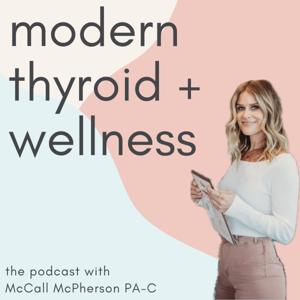
By McCall McPherson, PA-C

5
253253 ratings


The podcast currently has 100 episodes available.
The most played episodes among Podcast App listeners.
What if menopause wasn’t something to fear or simply endure, but a transition you could actively prepare for? In this episode of Modern Thyroid and Wellness, McCall McPherson sits down with Lisa Jedan, creator and host of MenoPositive, to challenge the long-standing narrative that menopause automatically means decline. After a successful career in PR and marketing, where she helped build brands and shape stories, Lisa turned those same skills toward changing the conversation around women’s health and aging. Lisa shares what she has learned from interviewing experts across conventional medicine, Chinese medicine, longevity, breathwork, nutrition, and women’s health. The message she hears repeatedly is clear: hormones do not operate in isolation, and the earlier women invest in their health, the more options they may have as they age. Together, McCall and Lisa explore strength training, nutrition, metabolism, thyroid health, Hashimoto’s, mindset, digestion, protein, fiber, sustainable lifestyle changes, and why midlife may become one of the healthiest and most fulfilling chapters of a woman’s life. Key Topics CoveredWhy Lisa created MenoPositiveChanging the narrative around menopause and agingWhy menopause preparation should begin before symptoms become overwhelmingHow thyroid health and reproductive hormones overlapLisa’s personal experience with Hashimoto’sWhy women often put themselves lastMoving from perfection toward small, sustainable health changesWhy strength training becomes increasingly important during midlifeBuilding and preserving muscle for healthy agingProtein, fiber, metabolism, and digestive healthWhy regular bowel movements matterSimple ways Lisa adds flaxseed and sprouts to her dietHow mindset may influence the menopause experienceBuilding trust with yourself through consistent habitsMoving beyond biohacking toward “bioharmony”Why wellness optimization can become exhaustingThe importance of sleep, movement, and nutrition before advanced optimizationWhy your best years do not have to be behind you Changing the Menopause Narrative Lisa began her career as a dancer and performer before moving into PR and marketing, where she built a career around storytelling and changing narratives. When she entered perimenopause and menopause herself, she noticed that the cultural story surrounding this stage of life did not match her experience. So much of the messaging centered on loss, decline, and everything women should expect to go wrong. Lisa wanted a different conversation. That desire became MenoPositive, a platform and philosophy built around educating women about hormone changes while showing them what they can actively do to support their health. After interviewing experts from a wide range of disciplines, Lisa says one message consistently emerges: menopause does not have to equal decline. Why We Should Prepare for Menopause Lisa makes a compelling comparison: we prepare for pregnancy, retirement, and marathons, so why do so many women arrive at one of the biggest biological transitions of their lives without preparation? Historically, women have often been taught to wait until symptoms appear and then figure out how to manage them. Lisa wants to reverse that approach. Instead of asking, “How can I manage these symptoms?” she encourages women to ask how they can prepare their bodies for a more positive menopause experience. For Lisa, this is not about perfection. It is about preparation and beginning wherever you are. Thyroid Health and Menopause Symptoms Can Overlap Lisa also lives with Hashimoto’s, giving her firsthand experience with how difficult it can be to distinguish thyroid symptoms from hormonal changes during midlife. Mood changes, libido concerns, fatigue, brain fog, and changes in how the body feels can appear across both thyroid dysfunction and perimenopause. One of the biggest lessons Hashimoto’s taught Lisa was to become curious about what her body was communicating rather than automatically accepting symptoms as her new normal. McCall emphasizes that thyroid hormones and reproductive hormones do not exist in isolation. Understanding both can be especially important as women move through their 30s, 40s, and beyond. Why Women Need to Put Themselves Back on the List Whether a woman is the CEO of a company or the CEO of her household, Lisa observes that women often place themselves third, fourth, or fifth on their own priority lists. Midlife can offer an opportunity to change that. Lisa encourages women to believe they deserve to be healthy and to recognize that investing in themselves does not require changing everything overnight. Cooking one additional vegetable, adding a little movement, or making one sustainable change can begin shifting the trajectory. McCall connects this idea to the power of small habits. Tiny actions may seem insignificant in isolation, but when repeated consistently, they compound. Strength Training as a Midlife “Secret Weapon” For Lisa, two changes significantly influenced her menopause experience: strength training and nutrition. She had always been active because of her background as a dancer, but midlife encouraged her to change the way she exercised. Strength training became a priority. Lisa noticed changes not only in her body, but also in her mood, sleep, confidence, and mindset. McCall emphasizes that building muscle becomes increasingly challenging as women move through perimenopause and menopause, making it valuable to establish that foundation earlier. Lisa compares strength training to putting money in the bank. Building strength now creates reserves that may become increasingly valuable later in life. Keep the Schedule, Change the Scope One of Lisa’s favorite ideas comes from Atomic Habits by James Clear: “Keep the schedule, change the scope.” If you planned to exercise but suddenly only have ten minutes, doing those ten minutes still allows you to keep the promise you made to yourself. Lisa and McCall discuss how this consistency builds something even bigger than fitness: self-trust. Every time you follow through, especially when you do not feel like it, you reinforce the belief that you can rely on yourself. That mindset can make sustainable health changes much more achievable than an all-or-nothing approach. From Biohacking to Bioharmony Women today are surrounded by wellness advice. Eat more protein. Take supplements. Strength train. Optimize your hormones. Track your sleep. Improve your metabolism. Eventually, optimization itself can become exhausting. Lisa believes the conversation is beginning to shift away from constant “biohacking” toward what she calls bioharmony, a more sustainable approach to working with the body rather than endlessly trying to optimize every variable. The foundation remains surprisingly simple: Eat well. Move your body. Sleep. These habits are not always easy, but Lisa believes establishing them first creates a stronger foundation before adding more advanced interventions. Protein, Fiber, and Digestion in Midlife Nutrition is another major part of the conversation. Across Lisa’s interviews with experts, protein repeatedly emerges as an important topic, particularly alongside strength training and maintaining muscle. But protein is not the whole story. Lisa also emphasizes fiber and digestive regularity. She shares that many women assume having a bowel movement every two or three days is normal. Her own experience taught her how stress and rushed mornings could affect digestion. Two simple foods she regularly incorporates are flaxseed and sprouts. She prepares flaxseed ahead of time and adds it to yogurt, while sprouts can easily be added to eggs, salads, or meals. These small, affordable habits reflect Lisa’s larger philosophy: health does not always require expensive or complicated interventions. You Have More Influence Than You Think When McCall asks Lisa what mindset shift she wishes every woman could make, her answer is simple: You have a choice. Lisa believes women have more influence over how they approach and experience menopause than many have been led to believe. That does not mean every symptom can be prevented or that every woman will have the same experience. It means women can become informed, seek appropriate care, strengthen their health foundations, and make choices that support the decades ahead. Your Best Years Are Not Behind You Perhaps the biggest myth Lisa wants to challenge is the idea that a woman’s best years are over once she reaches midlife. She sees the opposite. Women in their 40s, 50s, and 60s are starting businesses, stepping into leadership, pursuing new goals, and redefining what aging looks like. Instead of treating menopause as an ending, Lisa sees it as an opportunity to enter the second half of life with greater wisdom, perspective, confidence, and purpose. For her, menopause can be a powerful new beginning. Final Takeaway Preparing for menopause does not mean pursuing perfection. It means starting where you are. Build muscle. Eat nourishing foods. Prioritize protein and fiber. Protect your sleep. Pay attention to your thyroid and hormones. Listen to your body. Make small promises to yourself and keep them. Most importantly, reject the assumption that midlife automatically means decline. As Lisa and McCall discuss, women have more information, tools, and opportunities than ever before to become active participants in their health. The goal is not to obsessively optimize every aspect of life. It is to build a sustainable foundation that allows you to feel strong, capable, and empowered through menopause and the decades beyond. About Lisa Jedan Lisa Jedan is the creator and host of MenoPositive, a platform and philosophy dedicated to changing the narrative around menopause. After beginning her career as a dancer and performer, Lisa moved into PR and marketing, where she worked in storytelling and brand building. Her own experience with perimenopause, menopause, and Hashimoto’s inspired her to bring those storytelling skills back to women’s health. Through MenoPositive, Lisa interviews experts from around the world about hormone shifts, health, longevity, nutrition, mindset, and practical strategies designed to educate and empower women. Resources & Links 🌐 MenoPositive menopositive.life 📸 MenoPositive on Instagram @menopositive.life 🎙️ Lisa Jedan / MenoPositive on Audible Listen on Audible 📲 Follow McCall McPherson & Modern Thyroid and Wellness 💻 Website: modernthyroidclinic.com 🐦 X / Twitter: @thyroidexpert 🌐 Host Website: mccallmcpherson.com 📺 YouTube: McCall McPherson Channel 📘 Facebook: McCall McPherson PAC 📸 Instagram: @mccallmcphersonpa

What if the foods, supplements, workouts, and hormone therapies that work beautifully for someone else are completely wrong for your biology? In this episode of Modern Thyroid & Wellness, McCall McPherson sits down with Kashif Khan, bestselling author of The DNA Way, celebrity longevity coach, and two-time TEDx speaker, for a deep dive into functional genomics and personalized health. Kashif explains how DNA acts as an instruction manual for the body and why understanding those instructions may help explain why people respond so differently to the same foods, environmental exposures, exercise programs, supplements, and hormone therapies. Drawing from his own experience with chronic illness and years of genetic research, Kashif explores the relationship between genetics and lifestyle, including thyroid health, Hashimoto’s, women’s hormones, detoxification, metabolism, gut health, sleep, cognitive function, inflammation, and longevity. The conversation offers a different way to think about personalized medicine: instead of simply asking what disease you may be genetically predisposed to, ask how your biology works and what choices may better support it. Key Topics CoveredWhat DNA actually tells us about everyday healthWhy genetics are not necessarily destinyGenetics versus epigeneticsHow lifestyle, environment, and nutrition interact with genetic predispositionsKashif’s personal journey from chronic illness to genetic researchWhy two people can make the same health choices and experience very different outcomesGenetic differences in detoxificationWhy DNA testing is different from repeatedly testing hormones, cholesterol, or the microbiomeHow genetics may influence sleep and circadian preferencesPersonalizing nutrition and carbohydrate intakeGenetics, metabolism, and gut healthEnvironmental exposures and individual detoxification capacityWomen’s hormone health and estrogen metabolismGenetics, Hashimoto’s, autoimmunity, and thyroid healthWhy functional genomics goes beyond disease-risk scoresPersonalizing exercise according to individual biologyWhy nervous system regulation and gut health may need to come before advanced biohackingThe future of personalized medicine and longevityWhy understanding the biology underneath symptoms matters DNA as Your Body’s Instruction Manual Kashif describes DNA in practical terms as an instruction manual contained within the cells of the body. Genes provide instructions for countless biological processes, including producing hormones, metabolizing food, detoxifying compounds, and supporting cognitive function. The important difference is that everyone's instruction manual is slightly different. That helps explain why two people can follow the same diet, take the same hormone prescription, or perform the same exercise routine and experience dramatically different outcomes. Genetics Load the Gun, Environment Pulls the Trigger One of the central ideas in the episode is the interaction between genetics and epigenetics. Your DNA does not change every time you change your diet or lifestyle, but the choices you make interact with the biological instructions you inherited. Kashif groups those choices into three broad areas:EnvironmentNutritionLifestyle Environment includes what you are exposed to. Nutrition includes food, supplements, and other nutritional interventions. Lifestyle encompasses factors such as exercise, work, and sleep. Understanding genetics, therefore, is not simply about predicting disease. Kashif sees it as a way to understand how your individual body processes the choices you make every day. Kashif’s Personal Health Journey Kashif did not enter genomics through a traditional medical or scientific career path. Around age 38, after previously considering himself healthy, he developed multiple chronic health problems, including severe eczema, psoriasis, gut issues, migraines, reflux, and inflammation. He received diagnoses and prescriptions but remained focused on a different question: Why did this happen? His search took him through traditional Chinese medicine, homeopathy, naturopathy, functional medicine, hormone health, the microbiome, and eventually genetics. Understanding genetic differences helped him begin connecting his individual biology with environmental and lifestyle exposures. His recovery ultimately inspired him to leave his previous technology consulting business and build a genetic research company. Why Your Detoxification Genetics Matter Kashif uses his own GSTM1 genetics as an example of how individual differences can influence detoxification. He explains that glutathione plays an important role in neutralizing and removing unwanted compounds and that genetic differences can affect how those processes function in different areas of the body. In Kashif’s case, he discovered a copy number variation involving GSTM1, which became one piece of understanding why exposures that did not seem to affect someone living an otherwise similar lifestyle could affect him differently. This illustrates the broader problem with one-size-fits-all wellness advice: what is tolerated well by most people may not necessarily be optimal for every individual. Why DNA Testing Is Different Hormones change. The gut microbiome changes. Toxic burden changes. Cholesterol changes. DNA does not. Kashif explains that this permanence is part of what makes genomic information valuable. Rather than repeatedly testing DNA, the goal is to understand what your genetic information means and then use that knowledge alongside changing health data throughout your life. His current mission centers heavily on education and helping people better understand their own genetic information. Start With the Foundation Before Biohacking One of Kashif’s cautions is that people often enter the longevity and biohacking world by copying people who have already spent years optimizing their health. That can quickly become overwhelming. His suggested framework begins with identifying where you currently are. If there is an acute health problem, address that first. Then consider foundational areas such as:Nervous system regulationGut healthToxic burdenHealth optimizationLongevity and advanced biohacking Trying to fix decades of accumulated problems in two weeks is unlikely to create the sustainable outcome people are looking for. The goal is to work in the right order rather than doing everything at once. Five Areas Functional Genomics Can Help Personalize Kashif identifies several major areas where he believes functional genomics can provide useful insights. Cognitive Function Genetic differences may influence neurochemical pathways involved in behavior, reward, focus, and how people perceive and respond to their environment. Sleep Difficulty falling asleep, staying asleep, feeling restored, or naturally functioning better earlier or later in the day may involve different biological pathways. Metabolism People do not necessarily respond identically to the same macronutrient balance. Kashif shares an example involving female athletes who were struggling on a low-carbohydrate approach but performed better after carbohydrates were reintroduced based on their individual biology. Gut and Environmental Health Genetics may help provide context for how an individual responds to environmental exposures and how effectively certain detoxification processes function. Hormones This is one of the areas Kashif believes has enormous potential, particularly for women. Understanding how someone produces, binds, metabolizes, and clears hormones may provide a more personalized framework for women's health. Genetics, Thyroid Health, and Hashimoto’s McCall and Kashif take the conversation directly into thyroid health. Kashif explains that people may arrive with symptoms such as fatigue without realizing that thyroid physiology could be part of the picture. They discuss potential connections among detoxification pathways, environmental exposures, gut-brain signaling, autoimmunity, estrogen metabolism, and thyroid health. The bigger takeaway is that there may not be one universal reason someone develops Hashimoto’s or another thyroid problem. Kashif’s approach is to ask what biological pathways may be contributing in that particular individual so interventions can become more precise rather than simply adding more generalized recommendations. Why Women’s Hormones Need More Personalization Kashif describes women’s hormone health as one of the areas where his research revealed significant gaps in conventional approaches. The conversation explores estrogen metabolism and why understanding what happens after estrogen is produced may matter. Kashif discusses different estrogen metabolites and how genetics may influence their production and processing. For McCall, this aligns with what she sees clinically: thyroid hormones and reproductive hormones cannot always be treated as isolated systems. Understanding how an individual produces, converts, metabolizes, and clears hormones may provide another layer of personalization. Can Exercise Be Personalized to Your DNA? One surprisingly practical application discussed is exercise. Kashif believes genetics can provide information about how an individual may respond to different training styles, including resistance training and cardiovascular exercise. The goal is not simply determining whether exercise is "good" for you. It is asking which type of exercise may provide the best return for your individual physiology, body composition, recovery, and health goals. He shares an example involving an elite tennis player whose cardiovascular and mitochondrial genetics required a more individualized approach to supporting the demands of his sport. The Future of Personalized Medicine McCall and Kashif also explore whether genomics could eventually become part of everyday medicine. Kashif believes that shift is already beginning. Instead of personalizing only the treatment given after disease appears, he envisions a healthcare model that uses genetic, hormonal, microbiome, and other biological information to understand the individual earlier. For patients, that could mean moving from generalized wellness advice toward more precise decisions about nutrition, exercise, environmental exposures, hormones, and long-term health optimization. Final Takeaway Your genes may influence your biology, but knowing your genetics does not have to be about fear. For Kashif, the value of functional genomomics is understanding why your body behaves the way it does so you can make more informed decisions. Instead of copying someone else's diet, workout, supplement routine, or longevity protocol, personalized medicine asks a different question: What does my body actually need? The goal is not to obsess over every genetic variant. It is to understand your individual strengths and vulnerabilities, strengthen the foundations of health, and use that information to make more precise choices about how you eat, move, sleep, manage your environment, and support your hormones throughout life. About Kashif Khan Kashif Khan is the bestselling author of The DNA Way, a celebrity longevity coach, and a two-time TEDx speaker known for his personalized approach to health integrating genetics with lifestyle, environment, and nutrition. After experiencing multiple chronic health conditions himself, Kashif immersed himself in functional medicine and genetics and went on to build a genetic research company. Today, his work focuses heavily on education, functional genomics, personalized wellness, and helping people better understand how their unique biology may influence their health. Resources & Special Offer 🧬 Save $50 on the DNA 360 Test Kit Explore your individual genetics with Kashif Khan's DNA 360 Report. Special Modern Thyroid & Wellness Offer: $50 OFF Discount Code: McCall Get the DNA 360 Test Kit Connect with Kashif Khan 🌐 Kashif Khan Official Website 💼 Kashif Khan on LinkedIn 📖 Pre-Order Take Back Your Thyroid + Get a Free Bonus Pre-order McCall McPherson’s new book, Take Back Your Thyroid, and choose one free bonus: 🎓 Thyroid Empowered Course, a $399 value OR 🩺 $150 off a new patient visit at Modern Thyroid Clinic Pre-Order & Claim Your Free Bonus 📲 Follow McCall McPherson & Modern Thyroid and Wellness 💻 Website: modernthyroidclinic.com 🐦 X / Twitter: @thyroidexpert 🌐 Host Website: mccallmcpherson.com 📺 YouTube: McCall McPherson Channel 📘 Facebook: McCall McPherson PAC 📸 Instagram: @mccallmcphersonpa
What if your thyroid symptoms aren’t an isolated problem, but one signal from a body asking you to pay attention? In this episode of Modern Thyroid & Wellness, McCall McPherson sits down with Kelly McKenna, CEO and Co-Founder of End Chronic Disease, to explore thyroid health, autoimmunity, chronic stress, environmental exposures, nutrition, and what it really means to focus on prevention. Kelly’s health journey began with a celiac disease diagnosis in high school, followed by nearly two decades of autoimmune and chronic health challenges. In her early 30s, thyroid labs disrupted her plans to freeze her eggs and pushed her to ask a different question: instead of accepting hypothyroidism as inevitable, what might actually be driving it? That curiosity eventually changed both her health and career. Key Topics CoveredKelly’s experience with celiac disease, hypothyroidism, and Hashimoto’sHow childhood stress may influence long-term healthWhy sleep, nutrition, movement, relationships, and environment matterEnvironmental exposures and thyroid healthThe conversation around paraquat and chronic diseaseWhy prevention should begin in childhoodIodine, selenium, vitamin D, iron, and thyroid healthWhy Kelly calls her thyroid a “barometer” for her whole bodySimple strategies for fatigue and autoimmune flaresThe importance of boundaries and emotional healthBringing preventive health education into schoolsWhy chronic disease prevention requires both individual and systemic change When Your Thyroid Becomes a Warning System After being re-diagnosed with Hashimoto’s, Kelly began closely observing how changes in sleep, nutrition, nutrient status, stress, and other aspects of daily life corresponded with her symptoms and thyroid labs. She focused on nutrients including iodine, selenium, vitamin D, and iron and experimented with dietary changes. As her thyroid markers improved, she noticed changes in her skin, digestion, fatigue, and overall wellbeing too. Today, Kelly describes her thyroid as a “barometer for my whole body.” When fatigue and familiar symptoms return, she views them as signals that her body may need more support, rest, or recovery. Stress, Environment, and Chronic Disease Kelly also shares how growing up with a brother who experienced significant disabilities and frequent seizures created a chronic sense of uncertainty and stress, even within a loving family. Only later did she recognize how those experiences may have shaped her stress response. The conversation expands into environmental health, including paraquat exposure, ultra-processed foods, school environments, movement, and why the places where we live, work, learn, and eat deserve a larger role in conversations about chronic disease prevention. What If You’re Already Exhausted? When someone is already depleted, complicated wellness routines can feel impossible. Kelly recommends returning to basics. Her personal recovery toolbox has included restorative yoga, putting her legs up the wall, prioritizing sleep, simplifying food, gentle walking, acupuncture, positive experiences with people she loves, and examining emotional stress or boundaries that may be draining energy. The goal is to learn your body’s signals and build a collection of tools you can return to when you need them. About Kelly McKenna Kelly McKenna is the CEO and Co-Founder of End Chronic Disease, an organization focused on chronic disease prevention, education, awareness, and policy change. 🌐 End Chronic Disease 💼 Kelly McKenna on LinkedIn 📸 Kelly on Instagram @earth.to.kelly 📖 Pre-Order Take Back Your Thyroid + Get a Free Bonus Pre-order McCall McPherson’s new book, Take Back Your Thyroid, and choose one free bonus: 🎓 Thyroid Empowered Course, a $399 value OR 🩺 $150 off a new patient visit at Modern Thyroid Clinic Pre-Order & Claim Your Free Bonus 📲 Follow McCall McPherson & Modern Thyroid and Wellness 💻 Website: modernthyroidclinic.com 🐦 X / Twitter: @thyroidexpert 🌐 Host Website: mccallmcpherson.com 📺 YouTube: McCall McPherson Channel 📘 Facebook: McCall McPherson PAC 📸 Instagram: @mccallmcphersonpa
With thousands of supplements promising more energy, better hair, improved thyroid function, and healthier aging, how do you know what your body actually needs? In this episode of Modern Thyroid & Wellness, McCall McPherson sits down with Melissa “Mel” Afflerbach, Clinical Director of Weight Loss & Supplement Programs, for a practical conversation about the supplements they use and recommend within their thyroid and metabolic health programs. They break down some of the most common concerns women with hypothyroidism and Hashimoto’s experience—from persistent fatigue and low energy to hair loss—and explain why supplementation should support the bigger picture rather than replace investigating the root cause of a symptom. In This Episode, You’ll Learn:Why correcting thyroid function may not completely resolve fatigueHow adrenal and mitochondrial health relate to energy productionThe difference between stimulant energy and supporting cellular energyWhy thyroid dysfunction can contribute to hair shedding and changes in hair, skin, and nailsWhy ferritin and thyroid labs matter when investigating hair lossHow collagen, micronutrients, and antioxidants may support hair, skin, and nailsWhy myo-inositol and selenium are used in ThyroShield™Why testing and understanding the cause of a symptom still mattersHow McCall and her clinical team choose supplements for MDRN WellnessA sneak peek at what they are developing specifically for the thyroid community McCall also shares the deeply personal story behind the “Sol” found throughout the MDRN Health line. Her late brother, Solomon, had been working on the project before his unexpected passing, and the line now carries part of his legacy forward. Supplements Discussed in This Episode Adrena-Sol — adrenal and energy support Shop Adrena-Sol Mito-Sol — mitochondrial and cellular energy support Shop Mito-Sol Beauty Glow Collagen — collagen support for hair, skin, and nails Shop Beauty Glow Collagen Complete Beauty — micronutrient support for hair, skin, and nails Shop Complete Beauty Astaxanthin Antioxidant — antioxidant and skin support Shop Astaxanthin ThyroShield™ — myo-inositol + selenium thyroid support Shop ThyroShield™ Shop MDRN Wellness The MDRN Wellness store was created to make choosing supplements less overwhelming. Products are selected by McCall and the clinical team with the needs of people navigating thyroid dysfunction, hormone concerns, low energy, and related symptoms in mind. Shop All MDRN Wellness Supplements 📖 Pre-Order Take Back Your Thyroid + Get a Free Bonus Pre-order McCall McPherson’s new book, Take Back Your Thyroid, and choose one free bonus: 🎓 Thyroid Empowered Course, a $399 value OR 🩺 $150 off a new patient visit at Modern Thyroid Clinic Pre-Order & Claim Your Free Bonus 📲 Follow McCall McPherson & Modern Thyroid and Wellness 💻 Website: modernthyroidclinic.com 🐦 X / Twitter: @thyroidexpert 🌐 Host Website: mccallmcpherson.com 📺 YouTube: McCall McPherson Channel 📘 Facebook: McCall McPherson PAC 📸 Instagram: @mccallmcphersonpa
What if the key to better thyroid health, metabolism, and longevity starts at the cellular level? In this episode of Modern Thyroid and Wellness, McCall McPherson is joined by David Roberts and Dr. John Gildea, the founders of Mara Labs, to explore the science behind chronic inflammation, oxidative stress, detoxification, and why bioavailability is one of the most overlooked factors in nutritional supplementation. David shares the deeply personal story that inspired Mara Labs after his wife Mara's battle with breast cancer, while Dr. Gildea explains how his own scientific research led him to develop innovative ways to improve the absorption of powerful natural compounds like sulforaphane and curcumin. Together, they discuss how environmental toxins, poor nutrition, gut barrier dysfunction, and chronic inflammation may contribute to many of today's chronic health conditions—and why supporting the body's natural detoxification pathways is more important than ever. Key Topics CoveredThe personal story behind the founding of Mara LabsWhy bioavailability matters more than simply taking supplementsWhat sulforaphane is and why it has become one of the most researched plant compoundsThe role of chronic inflammation in long-term healthOxidative stress and its relationship to chronic diseaseUnderstanding NRF2 and the body's natural antioxidant defensesPhase I, Phase II, and Phase III detoxificationHow gut barrier function influences toxin exposureEnvironmental toxins, microplastics, and endocrine disruptionPractical ways to reduce your toxic burdenThe connection between inflammation and thyroid hormone functionHow sulforaphane and curcumin may support healthy cellular functionWhy personalized medicine mattersThe science behind GLPerfect™, BrocElite®, CurcuElite®, BerbElite®, and Microplast-X™ From Personal Tragedy to Purpose Mara Labs was born from an incredibly personal journey. After David Roberts' wife Mara was diagnosed with breast cancer, he partnered with scientist Dr. John Gildea to better understand natural compounds that could support cellular health. Their research led them to sulforaphane, a compound naturally found in broccoli sprouts, but they quickly discovered that creating a stable, bioavailable form was one of the biggest scientific challenges. Following Mara's passing, David and John committed themselves to bringing scientifically formulated, highly bioavailable nutritional supplements to market in her honor. Why Bioavailability Matters One of the biggest themes throughout the conversation is that the quality of a supplement depends on much more than the ingredient listed on the label. Many natural compounds show remarkable results in laboratory studies but are poorly absorbed by the human body. David and Dr. Gildea explain how Mara Labs focuses on improving bioavailability so these compounds can actually reach the cells where they are intended to work. Rather than simply increasing dosage, their research has centered on improving delivery. Chronic Inflammation Starts Long Before Disease The conversation explores how chronic disease often develops years before a formal diagnosis. Dr. Gildea explains that declining nutrient density, increasing environmental toxin exposure, oxidative stress, and chronic low-grade inflammation gradually affect cellular function over time. Whether those changes eventually appear as thyroid disease, metabolic dysfunction, autoimmune conditions, or another chronic illness often depends on an individual's genetics, lifestyle, and overall resilience. Detoxification Is More Than a Trend Detoxification is often misunderstood. The guests explain that true detoxification involves multiple phases that occur throughout the body—not just in the liver—and depends on properly transforming, processing, and eliminating toxins. They also emphasize that reducing exposure remains just as important as supporting the body's detoxification pathways. Simple strategies discussed include improving indoor air quality with HEPA filtration, drinking filtered water, choosing less processed foods, and purchasing food from trusted local sources whenever possible. NRF2: The Master Switch for Cellular Protection A major focus of the episode is NRF2, one of the body's primary cellular defense pathways. The guests explain how sulforaphane activates NRF2, supporting antioxidant production, Phase II detoxification, cellular resilience, and healthy inflammatory responses. Curcumin is also discussed as another compound that complements these pathways while supporting a balanced inflammatory response. Together, these compounds may help support overall cellular health through multiple biological mechanisms. Environmental Toxins and Microplastics David and Dr. Gildea discuss the growing concern surrounding microplastics and endocrine-disrupting chemicals. They explain how microplastics may carry additional toxins into the body while potentially interfering with normal hormonal signaling. The conversation also introduces Microplast-X™, a newer Mara Labs product designed to support the body's natural ability to remove accumulated microplastics. Supporting Metabolic Health The discussion also explores GLPerfect™, a supplement developed to support healthy metabolism using highly bioavailable natural compounds. Rather than replacing prescription GLP-1 medications, the product was designed as a nutritional approach that supports several pathways involved in appetite regulation, blood sugar balance, fat metabolism, and muscle preservation. The conversation highlights the importance of viewing metabolism through a broader lens than weight loss alone. Thyroid Health and Cellular Function McCall connects many of the concepts discussed back to thyroid health. She explains that many patients produce adequate thyroid hormone but struggle with activation, conversion, or cellular utilization. Reducing inflammation, supporting antioxidant defenses, and improving overall cellular health may help create a healthier environment for thyroid hormone function. The discussion also explores the relationship between inflammation and Hashimoto's thyroiditis and why supporting the body's underlying physiology may benefit overall wellness. Final Takeaway David Roberts and Dr. John Gildea remind us that long-term health begins long before disease is diagnosed. Supporting healthy cellular function, reducing chronic inflammation, minimizing toxic exposures, and improving nutrient bioavailability all contribute to building a stronger foundation for lifelong health. Rather than searching for a single miracle solution, lasting wellness often comes from consistently supporting the body's natural systems and choosing interventions backed by thoughtful science. About the Guests David Roberts is the co-founder and Managing Partner of Mara Labs. Inspired by his wife Mara's battle with breast cancer, he helped establish the company to develop highly bioavailable nutritional supplements focused on supporting cellular health, detoxification, and longevity. Dr. John Gildea is the co-founder and Chief Science Officer of Mara Labs. A molecular biologist and researcher, his work focuses on cellular biology, oxidative stress, nutrient bioavailability, inflammation, and the development of innovative nutritional compounds that support healthy aging. Resources & Links🌐 Mara Labs📸 Mara Labs Instagram🎙️ Mara Labs Podcast Special Offer Visit: mara-labs.com/mccall Use code MCCALL for a special listener discount available after the episode release. 📲 Follow McCall McPherson & Modern Thyroid and Wellness 💻 Website: modernthyroidclinic.com 🐦 X / Twitter: @thyroidexpert 🌐 Host Website: mccallmcpherson.com 📺 YouTube: McCall McPherson Channel 📘 Facebook: McCall McPherson PAC 📸 Instagram: @mccallmcphersonpa
The podcast currently has 100 episodes available.

1,079 Listeners

4,862 Listeners

3,431 Listeners
9,150 Listeners

639 Listeners

335 Listeners
135 Listeners
613 Listeners

1,409 Listeners

846 Listeners
504 Listeners

1,477 Listeners
1,682 Listeners
1,210 Listeners

1,410 Listeners