
Sign up to save your podcasts
Or

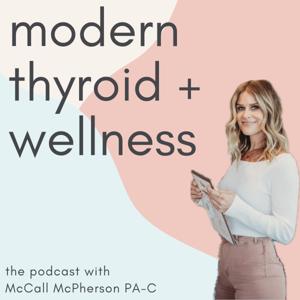


Based on Podcast App listening data
What if the fatigue, brain fog, and inflammation you’ve been blaming on aging… is actually something you can reverse?
In this episode of Modern Thyroid and Wellness, McCall McPherson sits down with Shivani Gupta, Ayurvedic practitioner, turmeric researcher, and author of The Inflammation Code, to explore a completely different perspective on inflammation.
Blending ancient Ayurvedic wisdom with modern science, Dr. Gupta explains how chronic inflammation is at the root of many modern health issues—from thyroid dysfunction to gut imbalance—and how small, daily rituals can dramatically shift your health without extreme diets or complicated protocols.
🔑 Key Topics Covered
What inflammation really is (and why it’s often mistaken for aging)
The Ayurvedic perspective on root-cause healing and prevention
How chronic stress and toxin exposure drive inflammation
Early signs of inflammation most people ignore
The connection between gut health, leaky gut, and autoimmunity
How Hashimoto’s Thyroiditis is viewed in Ayurveda
Why daily detox habits are essential in modern life
The science behind turmeric and its powerful anti-inflammatory effects
How inflammation impacts thyroid hormone conversion (T4 → T3)
Simple Ayurvedic rituals to reduce inflammation and support hormone balance
🔥 Inflammation Is Not Aging
One of the most powerful reframes in this episode:
👉 Many symptoms we associate with aging are actually inflammation
These include:
According to Dr. Gupta, chronic inflammation is the body’s response to:
👉 Instead of accepting these symptoms, we can address the root cause
🌿 The Ayurvedic Perspective on Inflammation
Ayurveda views inflammation differently than conventional medicine.
Instead of focusing only on symptoms, it asks:
👉 Why is the body out of balance in the first place?
Key concepts include:
When digestion is weak:
👉 This creates the foundation for chronic disease
🦠 Gut Health, Leaky Gut & Autoimmunity
Modern science now supports what Ayurveda has taught for thousands of years.
When the gut becomes compromised:
👉 This is a key driver of autoimmune conditions like Hashimoto’s Thyroiditis
🦋 Thyroid Function & Inflammation
Inflammation directly impacts thyroid health in several ways:
👉 Even with medication, symptoms may persist if inflammation is not addressed
🌱 Daily Detox: The Missing Piece
Ayurveda emphasizes that detox is not occasional—it’s daily.
Why?
We are constantly exposed to:
👉 Without daily detox, toxins accumulate
🧘♀️ Simple Ayurvedic Daily Rituals
Dr. Gupta shares powerful yet simple habits to reduce inflammation:
Morning Rituals
Lifestyle Practices
👉 These small habits create a cumulative healing effect
🌿 Turmeric: A Powerful Anti-Inflammatory Tool
Turmeric is one of the most researched natural anti-inflammatory compounds.
Key Benefits
Important Insight
👉 Therapeutic dosing matters for real impact
🔄 Inflammation & Hormone Conversion
Inflammation disrupts key processes in the body:
👉 This leads to symptoms like:
🌿 Where to Start (Simple + Effective)
Dr. Gupta recommends starting with:
👉 You don’t need extreme changes—small, consistent habits matter most
📘 About the Guest
Shivani Gupta is an Ayurvedic practitioner, turmeric researcher, and author of The Inflammation Code. She specializes in blending ancient healing practices with modern science to help individuals reduce inflammation and restore balance through sustainable daily habits.
🌐 Resources & Links
🌐 Website: https://shivanigupta.com/
📸 Instagram: https://www.instagram.com/dr.shivanigupta/
📘 Book: The Inflammation Code
📲 Follow McCall McPherson & Modern Thyroid and Wellness
💻 Website: modernthyroidclinic.com
🐦 X / Twitter: @thyroidexpert
🌐 Host Website: mccallmcpherson.com
📺 YouTube: McCall McPherson Channel
📘 Facebook: McCall McPherson PAC
📸 Instagram: @mccallmcphersonpa
What if your symptoms aren’t because your hormones are “wrong”—but because your body can’t actually use them?
In this episode of Modern Thyroid and Wellness, McCall McPherson sits down with Dr. Cassie Smith, board-certified endocrinologist and Chief Medical Director at Modern Thyroid Clinic, to uncover the powerful connection between gut health, inflammation, and hormone function.
Dr. Smith shares why so many women continue to feel exhausted, inflamed, and out of balance—even when their labs look “normal.” This conversation reveals how gut dysfunction drives inflammation, blocks hormone activity at the cellular level, and creates a cycle that conventional medicine often misses.
🔑 Key Topics Covered
🧠 The Gut–Hormone Connection Explained
Hormones don’t just need to be present—they need to enter your cells and function properly.
When inflammation is high:
👉 This is why many women feel stuck despite treatment
🔁 The Cycle No One Explains
This dysfunction creates a loop:
👉 The cycle reinforces itself unless the root cause is addressed
🚨 Signs Your Gut Could Be the Root Cause
You may not have obvious digestive issues—but your gut could still be involved.
Common signs include:
👉 Multiple symptoms across systems often point back to gut dysfunction
🦋 Thyroid, Gut & Cellular Function
Gut health is critical for thyroid patients.
👉 Even with proper thyroid medication, symptoms may persist if the gut is not addressed
🔥 Inflammation Is the Real Problem
Inflammation is often invisible—but it affects everything:
As Dr. Smith emphasizes, inflammation is not just a concept—it’s something you feel daily.
⚖️ Insulin, Cortisol & Metabolic Dysfunction
Gut-driven inflammation leads to:
👉 This results in:
💉 GLP-1 and Breaking the Cycle
One of the most powerful tools discussed:
Microdosed GLP-1 therapy
When used correctly, it can:
👉 The key is low, physiologic dosing
🌱 Where to Start
Instead of increasing hormone doses endlessly, focus on:
Foundational strategies:
📘 About the Guest
Dr. Cassie Smith is a dual board-certified endocrinologist in endocrinology, diabetes, metabolism, and internal medicine, and the founder of Modern Endocrine. She is known for her root-cause, whole-body approach to hormone health, focusing on gut health, metabolism, and inflammation to help patients feel better beyond “normal labs.”
She also serves as Chief Medical Director at Modern Thyroid Clinic, where she helps guide advanced, patient-centered protocols for complex thyroid and hormonal cases.
🌐 Resources & Links
🌐 Modern Thyroid Clinic Profile: https://www.modernthyroidclinic.com/cassie-smith
🌐 Modern Endocrine About Page: https://www.modern-endocrine.com/about/
📲 Follow McCall McPherson & Modern Thyroid and Wellness
💻 Website: modernthyroidclinic.com
🐦 X / Twitter: @thyroidexpert
🌐 Host Website: mccallmcpherson.com
📺 YouTube: McCall McPherson Channel
📘 Facebook: McCall McPherson PAC
📸 Instagram: @mccallmcphersonpa
What if your fertility challenges weren’t random—but your body signaling deeper imbalances that can actually be addressed?
In this episode of Modern Thyroid and Wellness, McCall McPherson sits down with Natalie Crawford, a board-certified reproductive endocrinologist and infertility expert, to break down the real drivers behind fertility struggles.
Dr. Crawford shares a powerful, root-cause approach to fertility, explaining how your menstrual cycle acts as a vital sign, how thyroid health and inflammation play a major role, and why modern lifestyle factors are significantly impacting fertility outcomes. This conversation is both eye-opening and deeply empowering for women who want to better understand their bodies and take control of their reproductive health.
🔑 Key Topics Covered
The rising rates of infertility and what’s driving the increase
Why your menstrual cycle is a key indicator of hormonal health
What a “normal” cycle actually looks like (and common red flags)
How to accurately track ovulation using simple, effective methods
The connection between thyroid health and fertility outcomes
Why Subclinical Hypothyroidism is often missed—but critical
How inflammation impacts egg quality, hormones, and conception
The role of gut health and the microbiome in fertility
Why insulin resistance affects fertility—even without diabetes
How stress, sleep, and lifestyle directly influence reproductive health
🩺 Understanding Your Cycle (Your Hormonal Blueprint)
Your menstrual cycle is one of the most important tools for understanding your fertility.
Each month, your body moves through two key phases:
Ovulation occurs in between—and timing matters more than most people realize.
👉 A healthy cycle should be:
🚩 Warning signs include:
🧪 Tracking Ovulation (Without Relying on Labs)
Dr. Crawford emphasizes that lab testing alone is often not enough.
Instead, your body gives you clear signals:
👉 Even one tracking method improves fertility awareness
👉 Combining methods increases accuracy significantly
🦋 The Thyroid–Fertility Connection
Thyroid health is one of the most overlooked drivers of fertility issues.
Even when labs appear “normal,” your body may still be under stress.
This is known as Subclinical Hypothyroidism
Key insights:
👉 During pregnancy, your body needs 30% more thyroid hormone
If your system is already strained, it may not be able to meet this demand
🔥 Inflammation: The Root Cause You Can’t Ignore
One of the biggest themes in this episode is the role of inflammation.
Chronic inflammation can:
Modern contributors include:
🦠 Gut Health & Fertility
Your gut plays a central role in regulating inflammation and hormones.
When gut health is compromised:
Key factors impacting gut health:
👉 Fiber-rich foods are essential for supporting a healthy gut and hormone balance
🍬 Insulin Resistance (Even If You’re “Healthy”)
Insulin resistance is not just a diabetes issue—it’s a fertility issue.
It can:
Even women without PCOS or diabetes can be affected.
💪 Why Muscle, Stress & Sleep Matter
Muscle Health
Building muscle helps regulate blood sugar without relying on insulin, improving hormonal balance.
Stress
Chronic stress raises cortisol, which increases inflammation and disrupts fertility signals.
Sleep
Sleep is one of the most powerful tools for hormone regulation.
👉 Aim for 7–9 hours per night to support recovery, hormone balance, and fertility
🌱 Pre-Pregnancy Planning (The Missing Strategy)
Instead of waiting until something goes wrong:
👉 Start preparing your body before trying to conceive
This includes:
Fertility is not just about pregnancy—it’s a reflection of long-term health.
🌐 Resources & Links
🌐 Website: https://www.nataliecrawfordmd.com
📘 Book: The Fertility Formula by Natalie Crawford
📲 Follow McCall McPherson & Modern Thyroid and Wellness
💻 Website: modernthyroidclinic.com
🐦 X / Twitter: @thyroidexpert
🌐 Host Website: mccallmcpherson.com
📺 YouTube: McCall McPherson Channel
📘 Facebook: McCall McPherson PAC
📸 Instagram: @mccallmcphersonpa
What if the future of medicine isn’t about managing symptoms—but actually helping the body rebuild and heal itself?
In this episode of Modern Thyroid and Wellness, McCall McPherson sits down with Dr. Karolynn Halpert, a regenerative medicine specialist at BioXcellerator, to explore the powerful and rapidly evolving world of stem cell therapy.
Dr. Halpert shares her journey from emergency medicine to regenerative care, and explains how stem cells and exosomes are being used to reduce inflammation, restore function, and support healing in conditions ranging from spinal cord injuries to autoimmune disease, infertility, and neurological disorders.
This conversation dives deep into what stem cells actually are, why treatment options differ drastically between the U.S. and countries like Colombia, and how regenerative medicine may reshape the future of longevity, hormones, and chronic disease care.
🔑 Key Topics Covered
🧠 What Are Stem Cells (And Why They Matter)
Regenerative medicine focuses on helping the body repair itself rather than simply treating symptoms.
According to Dr. Halpert:
Exosomes, on the other hand, are tiny vesicles released by stem cells that carry healing signals—but unlike stem cells, they are not alive and cannot adapt to their environment.
👉 At BioXcellerator, combining both creates a powerful effect:
🌍 Why People Travel for Stem Cell Therapy
One of the most important distinctions discussed:
In the United States:
At BioXcellerator:
👉 This creates a significant difference in outcomes and effectiveness.
🧬 Real Patient Transformations
Dr. Halpert shares powerful real-life cases:
🦽 Spinal Cord Injury
🧠 Autism
These cases highlight what may be possible when regenerative medicine is applied with precision and specialization.
👩⚕️ Hormones, Fertility & Women’s Health
Stem cells are also being explored in:
Early patient feedback shows:
🦋 Autoimmune Conditions & Thyroid Insight
While research is still emerging, one key takeaway:
However, more clinical data is still needed, especially for thyroid-specific outcomes.
⚠️ Common Misconceptions About Stem Cells
A major myth addressed in the episode:
❌ All stem cells come from embryos
✔️ Many (including those used at BioXcellerator) come from umbilical cord tissue, a discarded, ethical source
Other misconceptions:
🌱 The Bigger Message: You Still Have to Do the Work
Dr. Halpert emphasizes something critical:
Regenerative medicine works best when paired with lifestyle changes.
Key factors:
Stem cells are not a shortcut—they are a powerful tool layered on top of a healthy foundation.
🌐 Resources & Links
📲 Follow McCall McPherson & Modern Thyroid and Wellness
💻 Website: modernthyroidclinic.com
🐦 X / Twitter: @thyroidexpert
🌐 Host Website: mccallmcpherson.com
📺 YouTube: McCall McPherson Channel
📘 Facebook: McCall McPherson PAC
📸 Instagram: @mccallmcphersonpa
What if sauna therapy supports more than relaxation, influencing detoxification, circulation, and long-term health?
In this episode of Modern Thyroid and Wellness, McCall McPherson sits down with Connie Zack, co-founder of Sunlighten, to unpack the science, strategy, and real-world benefits of sauna therapy. Connie shares the deeply personal story that led her and her husband to leave careers in pharmaceutical sales and build Sunlighten after seeing infrared therapy transform her brother’s health. Connie and her husband started Sunlighten more than 20 years ago after her brother’s life changed through infrared light therapy, and the company continues to focus on science-backed infrared sauna technology.
Together, McCall and Connie break down the differences between traditional saunas and infrared saunas, why all infrared saunas are not created equal, what far infrared actually does inside the body, and how sauna use can support cardiovascular health, detoxification, skin, nervous system regulation, and overall longevity. They also discuss red light therapy, what to look for when shopping for a sauna, and how to think about sauna use as a practical part of a wellness routine.
This episode is a helpful guide for anyone curious about sauna therapy and wanting a clearer, more evidence-informed understanding of how to choose the right sauna and use it well.
Episode Highlights
Resources & Links
📲 Follow McCall McPherson & Modern Thyroid and Wellness
💻 Website: modernthyroidclinic.com
🐦 X / Twitter: @thyroidexpert
🌐 Host Website: mccallmcpherson.com
📺 YouTube: McCall McPherson Channel
📘 Facebook: McCall McPherson PAC
📸 Instagram: @mccallmcphersonpa
What if the reason many thyroid patients struggle is not the condition itself, but how thyroid care is traditionally approached?
In this episode of Modern Thyroid and Wellness, McCall McPherson continues the clinician interview series by introducing three more members of the Modern Thyroid Clinic team: Yari Tran, PA-C, Melody Volz, FNP-C, and Nikki Abelow, APRN. Yari earned her psychology degree at Texas A&M and her physician assistant training at Texas Tech, then began in neurosurgery and pain management before shifting into root-cause thyroid and hormone care. Melody trained at the University of Texas at Austin, became a family nurse practitioner in 2014, and brings both clinical expertise and her own history of hypothyroidism and Hashimoto’s to patient care. Nikki, a Florida-based APRN, graduated from Chamberlain University in 2019 after working as a cardiac nurse and later pursued additional functional medicine training through the School of Applied Functional Medicine.
This conversation gives listeners a behind-the-scenes look at how each clinician found their way into medicine, what changed their perspective on conventional thyroid care, and why they are so passionate about individualized treatment. Across all three interviews, a shared theme emerges: thyroid care is rarely simple, TSH alone is not enough, and patients deserve to feel seen, heard, and fully supported.
Note About This Episode
Hillary Mayers was originally scheduled to appear in this episode. Due to a technical error during recording and editing, we were unable to include her segment. We greatly value Hillary’s insights and expertise, and she will be featured in a dedicated solo episode in the future. Thank you for your understanding.
We truly appreciate your patience and support as we navigate this, and we’re excited to continue bringing you meaningful content in Thursday’s episode.
Episode Highlights
In This Episode, You Will Learn
About the Clinicians
Yari Tran, PA-C began her medical career in neurosurgery and pain management before a hormone education conference reshaped her clinical perspective and sparked her passion for functional thyroid and hormone care. She lives in Austin with her two daughters and enjoys reading, running, and hiking.
Melody Volz, FNP-C earned both her BSN and MSN from the University of Texas at Austin and became a certified family nurse practitioner in 2014. Her own experience with hypothyroidism and Hashimoto’s helped shape her patient-centered approach to thyroid and hormone care.
Nikki Abelow, APRN is a Florida-based advanced practice registered nurse who came from a cardiac nursing background and later expanded into functional medicine after her own health challenges pushed her to look beyond conventional care. She lives in Florida with her husband and son.
📲 Follow McCall McPherson & Modern Thyroid and Wellness
💻 Website: modernthyroidclinic.com
🐦 X / Twitter: @thyroidexpert
🌐 Host Website: mccallmcpherson.com
📺 YouTube: McCall McPherson Channel
📘 Facebook: McCall McPherson PAC
📸 Instagram: @mccallmcphersonpa
What if the reason you still feel tired after optimizing hormones is not your hormones at all?
In this episode, Michael sits down with Patrick Sullivan Jr. and Ashley Sullivan, the executive producers behind the new documentary Breaking Big Food: How the American Food System Went Rotten and How It's Being Revived. Their mission to expose the problems within the modern food system began with a deeply personal experience: Patrick’s thyroid cancer diagnosis.
Patrick shares the emotional journey of discovering a lump in his neck, navigating multiple biopsies, and ultimately undergoing thyroid surgery. The experience sparked a deeper question that traditional medicine could not answer: why did cancer develop in the first place? That question ultimately led the couple into the world of metabolic health, food quality, and environmental influences on chronic disease.
The conversation explores how processed foods, corporate food systems, and environmental toxins may contribute to widespread metabolic dysfunction, thyroid disease, and chronic illness. Patrick and Ashley also share insights from their documentary, including shocking discoveries about how tobacco companies once controlled a large portion of the American food supply.
Inspired by their journey, the couple also launched Firefly Organic Coffee and Market, a Scottsdale-based café focused on mold-free organic coffee and nutrient-dense foods. This episode connects the dots between food, stress, environment, and long-term health while highlighting how personal pain can become a powerful purpose.
👤 About the Guests
Patrick Sullivan Jr.
Patrick Sullivan Jr. is an entrepreneur, filmmaker, and thyroid cancer survivor. After his diagnosis over a decade ago, he began exploring the deeper connections between food, environmental exposures, stress, and metabolic health. Patrick is the executive producer of the documentary Breaking Big Food, which investigates the history of the American food system and its impact on chronic disease.
Ashley Sullivan
Ashley Sullivan is a business owner, producer, and wellness advocate who works alongside Patrick in both their film and food initiatives. She co-produced Breaking Big Food and co-founded Firefly Organic Coffee and Market, a Scottsdale café dedicated to providing organic, mold-free coffee and access to nutrient-dense foods that support better health.
🔑 Key Topics Covered
🎬 Resources and Links Mentioned
📺 Watch the Documentary
Breaking Big Food: How the American Food System Went Rotten and How It's Being Revived
Available on Apple TV and Amazon Prime Video
📲 Follow McCall McPherson & Modern Thyroid and Wellness
💻 Website: modernthyroidclinic.com
🐦 X / Twitter: @thyroidexpert
🌐 Host Website: mccallmcpherson.com
📺 YouTube: McCall McPherson Channel
📘 Facebook: McCall McPherson PAC
📸 Instagram: @mccallmcphersonpa
What if the reason many thyroid patients still feel unwell is not their labs, but how their symptoms are being interpreted?
Today’s episode is the first installment of a multi-part clinician interview series on the Modern Thyroid Clinic podcast. Host McCall McPherson sits down with three of the clinic’s clinicians, Brandy Valentino, RN, WHNP, CNM, Jessica Strauss, DNP, FNP-C, and Krystal Adams, MSN, FNP-BC, LSO, to help listeners get to know the people behind the care.
Together, they share their personal journeys into medicine, what led them to thyroid and hormone work, and why individualized, symptom-driven care matters so much for thyroid patients. You will also hear candid conversations about medical gaslighting, obesity bias, the limitations of TSH-only testing, and why many people with “normal labs” still feel miserable. Along the way, the episode brings plenty of personality and behind-the-scenes stories, including Brandy’s early inspiration from a care flight helicopter tour, Jessica’s love of travel and Disney, and Krystal’s surprising connection to a military dolphin trainer story.
Episode Highlights
In This Episode, You Will Learn
Featured Clinicians
Brandy Valentino, RN, WHNP, CNM
Brandy shares her path from labor and delivery and midwifery into thyroid care, including how questioning cookie-cutter algorithms led her to a more personalized, patient-centered approach.
Jessica Strauss, DNP, FNP-C
Jessica explains how her own symptoms and years of being dismissed shaped her approach to care, and why she is passionate about full thyroid evaluation, belief in patient symptoms, and restoring hope.
Krystal Adams, MSN, FNP-BC, LSO
Krystal describes her prevention-focused background, her love of hormone care, and how combining hormone and thyroid optimization can help patients finally feel normal again.
📲 Follow McCall McPherson & Modern Thyroid and Wellness
💻 Website: modernthyroidclinic.com
🐦 X / Twitter: @thyroidexpert
🌐 Host Website: mccallmcpherson.com
📺 YouTube: McCall McPherson Channel
📘 Facebook: McCall McPherson PAC
📸 Instagram: @mccallmcphersonpa
What if GLP-1 medications work best not at higher doses, but with slower, personalized microdosing?
In this solo Ask Me Anything episode of Modern Thyroid and Wellness, McCall McPherson answers your most pressing questions about GLP-1 medications. Drawing from clinical experience and current research, she breaks down how these medications actually work, why microdosing matters, and how to minimize side effects while protecting metabolism, muscle, and long-term health.
McCall explores the connection between GLP-1s and inflammation, thyroid function, fertility, cancer risk, longevity, and metabolic recovery. She also explains when patients may need long-term therapy, how to successfully come off these medications, and why slow, personalized dosing produces the safest and most sustainable results.
If you’ve heard conflicting information about GLP-1s, this episode offers clarity, context, and a clinically grounded perspective on how to use them wisely.
Key Topics Covered
GLP-1 Benefits You May Not Know About
Common Concerns Addressed
Hair loss and muscle loss
Usually caused by rapid weight loss or inadequate protein and nutrient intake, not the medication itself.
Thyroid cancer risk
Human studies have not shown an increased risk for common thyroid cancers. GLP-1s should be avoided only in patients with a history of medullary thyroid carcinoma or MEN syndromes.
Thyroid medication changes
Weight loss and metabolic shifts often require dose adjustments over time.
Lifestyle Strategies That Support Success
📲 Follow McCall McPherson & Modern Thyroid and Wellness
💻 Website: modernthyroidclinic.com
🐦 X / Twitter: @thyroidexpert
🌐 Host Website: mccallmcpherson.com
📺 YouTube: McCall McPherson Channel
📘 Facebook: McCall McPherson PAC
📸 Instagram: @mccallmcphersonpa
What if the answers to chronic illness are often missed because medicine focuses on symptoms instead of root causes?
In this deeply personal and powerful episode of Modern Thyroid and Wellness, McCall McPherson welcomes Dr. Aaron Hartman, functional medicine physician, clinical researcher, and author of UnCurable: From Hopeless Diagnosis to Defying All Odds. Dr. Hartman shares how his daughter’s complex medical challenges transformed his understanding of healthcare, pushing him beyond conventional medicine and into a root-cause, patient-centered approach.
The conversation explores medical blind spots, medical gaslighting, and the limitations of symptom-focused care. Dr. Hartman explains why chronic illness often requires patients to become active participants in their health journey and how functional medicine can help uncover overlooked root causes. He also discusses environmental toxins, tick-borne illness, mold exposure, hypermobility syndromes, and the importance of personalized care strategies.
This episode offers hope, validation, and practical insight for anyone who has felt dismissed, misunderstood, or stuck searching for answers.
Episode Highlights
In This Episode, You Will Learn
About Dr. Aaron Hartman:
Dr. Aaron Hartman is a functional medicine physician, clinical researcher, and founder of the Virginia Research Center. He has participated in over 70 clinical research studies and serves as an Assistant Clinical Professor at Virginia Commonwealth University (VCU).
His work focuses on helping patients identify lifestyle and environmental leverage points that support the body’s natural ability to heal. His book, UnCurable, shares his family’s journey navigating chronic illness while providing practical strategies for patients seeking answers beyond conventional care.
📖 About UnCurable
UnCurable blends memoir and medicine, weaving personal family experience with decades of clinical insight. It challenges conventional models of chronic illness and empowers patients to pursue healing through personalized, root cause focused care.
Discover the book:
Follow Dr. Aaron Hartman and Richmond Integrative & Functional Medicine
Website: https://richmondfunctionalmedicine.com/
YouTube: @AaronHartmanMD
📲 Follow McCall McPherson & Modern Thyroid and Wellness
💻 Website: modernthyroidclinic.com
🐦 X / Twitter: @thyroidexpert
🌐 Host Website: mccallmcpherson.com
📺 YouTube: McCall McPherson Channel
📘 Facebook: McCall McPherson PAC
📸 Instagram: @mccallmcphersonpa
From the publisher's feed
Ranked by our users in the last 21 days

1,076 Listeners

4,854 Listeners

3,415 Listeners

9,098 Listeners

633 Listeners

361 Listeners

1,408 Listeners
662 Listeners
1,407 Listeners

840 Listeners
539 Listeners
1,458 Listeners
1,674 Listeners

1,212 Listeners
1,399 Listeners