
Sign up to save your podcasts
Or

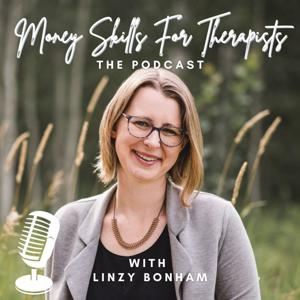


AI is changing the landscape of professional services, shifting how people seek information and how they work. So, how can therapists adapt and use AI to productively get ahead in private practice — and when is it time to call in professional help?
In this episode, Linzy is joined by accountant and recurring guest Julie Herres for a thoughtful conversation about artificial intelligence and its growing presence in both the therapy and financial spaces.
They discuss what they’re seeing in their respective industries and talk about what AI can — and cannot do — for private practice owners. They also tackle the very real fear that AI is going to replace professional service jobs and highlight the importance of human connection.
Whether you’re already an avid AI user or feeling hesitant and worried about its impact, this conversation offers a grounded perspective on how you can implement AI effectively in your own practice.
Timestamps:
00:00 – Introduction
04:39 – Artificial intelligence in the financial and therapy spaces
07:26 – How AI is disrupting professional services
12:42 – When it is wise to use AI versus when to bring in a professional
17:37 – The irreplaceable value of human context, co-regulation, and real relationships
27:52 – An "AI centrist" perspective on regulation and safety
36:46 – Practical AI use cases (like meal planning) versus tasks requiring expert advice
For other episodes with Julie, check out:
Episode 191 – Adjusting Your Private Practice in a Changing Economy (Part 1) with Julie Herres
Episode 142 – Moving at the Speed of Cash with Julie Herres
Episode 58 – Profit First for Therapists with Julie Herres
Episode 5 – Private Practice Money Mistakes with Accountant Julie Herres
Want to feel more calm and confident about your money?
Join one of Linzy's online workshops for private practice owners to shift your money mindset, transform your relationship with money, and gain practical tools and strategies to manage your business finances with greater clarity and ease. Explore upcoming workshops and sign up to save your spot or register to receive the replay.
You can also join the private WhatsApp community to connect with other therapists, health practitioners, and listeners of Money Skills for Therapists: The Podcast. Submit your request to join the community today.
Want to stop feeling like an overworked, stressed and underpaid group practice owner and become the confident and empowered financial leader of your group practice? Join our Fall 2026 cohort of Money Skills for Group Practice Owners.
Are you a solo practice owner who wants to move from money confusion, worry, shame, and uncertainty — to confidence and peace? Join the Money Skills for Therapists waitlist to hear when enrollment opens in November for our January 2027 cohort.
About Julie Herres:
Julie Herres is the founder and CEO of GreenOak Accounting, a firm that exclusively serves therapists, psychologists, and counselors in private practice across the United States. Over the years, Julie and her team have worked with hundreds of private practice owners and developed serious knowledge about what makes a practice financially successful. GreenOak’s goal is to help practice owners feel comfortable with the financial side of their businesses and have profitable practices. Some of the firm’s biggest success stories were achieved through implementing Profit First.
Julie is an accountant and an enrolled agent (EA). She is also a speaker and the host of the Therapy for Your Money podcast.
Connect with Julie:
Website: greenoakaccounting.com
Book: Profit First for Therapists
Podcast: Therapy for Your Money
About Linzy Bonham:
Linzy Bonham is a therapist turned money coach who helps private practice owners and health professionals feel calm, confident, and in control of their finances through her podcast, workshops, and comprehensive programs: Money Skills for Therapists and Money Skills for Group Practice Owners. You can learn more about Linzy here.
Connect with Linzy:
Are you dreaming of a life of travel and adventure, but you still want to serve the clients you love?
In this episode, Linzy is joined by Dr. Annie Krajewski — a licensed psychologist from America who is currently in Brazil — for a fun conversation about building a location-independent private practice and creating the freedom to live and work abroad.
Together, they dig into the common misconceptions about being a nomadic therapist and what holds therapists back from making these kinds of big moves.
Annie also shares some motivations for becoming a digital nomad therapist and offers the best first steps for therapists who want to build a practice that can travel with them.
Whether you’re interested in working while traveling or living abroad, or in simply creating more freedom and flexibility in your business and your life, this episode will inspire you to expand your idea of what’s possible and start owning what you really want.
Timestamps:
04:54 – Common misconceptions about traveling and living abroad
10:45 – Maintaining a lower caseload and a better quality of life
15:15 – Motivations for becoming a nomadic therapist
22:24 – Deconstructing the limiting beliefs of an American therapist
24:39 – Owning the season you’re in and what you want in life
28:12 – The uncertainty and fears that holds therapists back
31:26 – Financial worries about becoming a digital nomad therapist
39:25 – How to transition to a location-independent practice
43:17 – The best part of living and working abroad
Want to feel more calm and confident about your money?
Join one of Linzy's online workshops for private practice owners to shift your money mindset, transform your relationship with money, and gain practical tools and strategies to manage your business finances with greater clarity and ease. Explore upcoming workshops and sign up to save your spot or register to receive the replay.
You can also join the private WhatsApp community to connect with other therapists, health practitioners, and listeners of Money Skills for Therapists: The Podcast. Submit your request to join the community today.
Ready to stop feeling like an overworked, stressed and underpaid group practice owner and become the confident and empowered financial leader of your group practice? Join our Fall 2026 cohort of Money Skills for Group Practice Owners.
Are you a solo practice owner who wants to move from money confusion, worry, shame, and uncertainty — to confidence and peace? Join the Money Skills for Therapists waitlist to hear when enrollment opens for our January 2027 cohort.
About Annie Krajewski:
Dr. Annie is a licensed psychologist and a digital nomad therapist. She has successfully run her location independent private practice for the past 3 years serving her clients from places like Morocco, Thailand, Bali and Brazil.
Annie now helps therapists build profitable location independent private practices that allow them to travel the world while seeing the clients they love!
Download Annie’s free Move Abroad Calculator to determine how many clients you need to afford life abroad.
Connect with Annie:
Website: digitalnomadtherapist.com
Group Program: The Out Of Office Therapist Village
Instagram: @digitalnomadtherapist
Youtube: @digitalnomadtherapist
Podcast: The Digital Nomad Therapist Podcast
About Linzy Bonham:
Linzy Bonham is a therapist turned money coach who helps private practice owners and health professionals feel calm, confident, and in control of their finances through her podcast, workshops, and comprehensive programs: Money Skills for Therapists and Money Skills for Group Practice Owners. You can learn more about Linzy here.
Connect with Linzy:
What happens when you have many big dreams and goals for your practice, but no clear plan in place?
In this coaching conversation, Linzy sits down with Talisa Haskins, a group practice owner and new student in Money Skills for Group Practice Owners, to tackle a common challenge that entrepreneurs struggle with: having so much on your plate — and even more that you want to be doing — with no real direction on what to do, and when.
They dig into the implications of Talisa’s fawning response and her desire to do it all, all at once, they unpack the costs of overwhelm, and they explore practical ways to organize and delineate a never-ending to-do list.
Linzy also breaks down how to use the Eisenhower Matrix to determine the importance and urgency of projects and tasks based on the current season of the business.
If you ever feel overwhelmed as a private practice owner as you try to manage and balance everything you have going on, or if you often find yourself giving in to what others want from you and making their priorities your own, this episode is for you.
Timestamps:
03:39 – Impulsive commitments and cash flow crunches
09:21 – The ideas that come with dreams and goals
12:12 – How the fawning response creates fear and pressure
24:19 – Using the Eisenhower Matrix to categorize tasks
34:04 – Reflecting on business seasons and planning for the future
Want to feel more calm and confident about your money?
Join one of Linzy's online workshops for private practice owners to shift your money mindset, transform your relationship with money, and gain practical tools and strategies to manage your business finances with greater clarity and ease. Explore upcoming workshops and sign up to save your spot or register to receive the replay.
You can also join the private WhatsApp community to connect with other therapists, health practitioners, and listeners of Money Skills for Therapists: The Podcast. Submit your request to join the community today.
Ready to stop feeling like an overworked, stressed and underpaid group practice owner and become the confident and empowered financial leader of your group practice? Register for our Fall 2026 cohort of Money Skills for Group Practice Owners.
Are you a solo practice owner who wants to move from money confusion, worry, shame, and uncertainty — to confidence and peace? Join the Money Skills for Therapists waitlist to hear when enrollment opens for our January 2027 cohort.
About Talisa Haskins:
Talisa Haskins is a Registered Psychotherapist and the founder and Practice Director of The Journey Counselling and Psychotherapy, a multidisciplinary virtual group practice serving clients across Ontario.
Her clinical work focuses on supporting aviation professionals and their families, while her leadership work includes clinical supervision and supporting intern and novice therapists as they enter the field, develop their clinical identities, and make business decisions for themselves.
Connect with Talisa:
thejourneycounselling.com
@thejourneycounselling
@talisathetherapist
About Linzy Bonham:
Linzy Bonham is a therapist turned money coach who helps private practice owners and health professionals feel calm, confident, and in control of their finances through her podcast, workshops, and comprehensive programs: Money Skills for Therapists and Money Skills for Group Practice Owners. You can learn more about Linzy here.
Connect with Linzy:
As a parent, how are you intentionally — or unintentionally — shaping your children’s relationship with money?
In this co-hosted episode, Linzy and Diane cover a thoughtful topic requested right from the Money Skills community: parenting and money.
Together, they swap stories about what they were taught about money growing up, the values and skills they strive to impart to their own kids around money, and how these conversations naturally evolve as relationships with money shift over time.
They also dive into entrepreneurship and parenthood, exploring how the freedom and responsibility of business ownership has impacted them while raising kids across different seasons of life.
This episode will encourage you to think about how you talk about money with your children, what you hope to instill in them, and the ways money serves as a powerful tool to provide for them, meet their needs, and help them thrive in whatever stage they’re in.
Timestamps:
02:40 – Imparting values, skills, and evolving perspectives around money
07:10 – The importance of not burdening children with financial stress
09:25 – Teaching kids about choice, agency, and allowance
15:30 – Entrepreneurship and parenthood: time freedom and personal responsibility
25:20 – Abundant seasons in business and investing in kids' wellness and quality of life
Want to feel more calm and confident about your money?
Join one of Linzy's online workshops for private practice owners to shift your money mindset, transform your relationship with money, and gain practical tools and strategies to manage your business finances with greater clarity and ease. Explore upcoming workshops and sign up to save your spot or register to receive the replay.
You can also join the private WhatsApp community to connect with other therapists, health practitioners, and listeners of Money Skills for Therapists: The Podcast. Submit your request to join the community today.
Ready to stop feeling like an overworked, stressed and underpaid group practice owner and become the confident and empowered financial leader of your group practice? Register for our Fall 2026 cohort of Money Skills for Group Practice Owners.
Are you a solo practice owner who wants to move from money confusion, worry, shame, and uncertainty — to confidence and peace? Join the Money Skills for Therapists waitlist to hear when enrollment opens for our January 2027 cohort.
About Diane Webber:
Diane Webber is a licensed professional counselor and certified financial social work counselor with a fully online private practice in Northeastern Pennsylvania. She’s also a proud member of the Money Skills for Therapists coaching team.
About Linzy Bonham:
Linzy Bonham is a therapist turned money coach who helps private practice owners and health professionals feel calm, confident, and in control of their finances through her podcast, workshops, and comprehensive programs: Money Skills for Therapists and Money Skills for Group Practice Owners. You can learn more about Linzy here.
Connect with Linzy:
As a therapist, you’re a helper and healer by nature, but do you see yourself as a leader in your clinical work or in your solo or group practice?
In this episode, Linzy is joined by Steph Davis and Cecilia Mannella for a conversation about leadership in therapy.
Together, they discuss what leadership looks like at the clinical level, as a business owner, and as the boss who is leading a team, and they explore why therapists often struggle to utilize their leadership skills and own their role as a leader.
Steph and Cecilia dive into their experiences with leadership in therapy and group practice, sharing their insights and what lights them up about the work they’re doing.
They also give a sneak peek into their upcoming virtual summit for therapy practice owners who are serious about the business and leadership of their practice. You can learn more about the Together in Practice Summit and register here.
Whether you’re running a solo practice or group practice, or working in a group practice or even in a hospital, this episode will encourage you to think about how you’re showing up as a leader in this space, how it feels for you, and how you can step into and own your leadership role as a clinician or a business owner.
Timestamps:
09:24 - The intersection of business and therapeutic work
15:52 - How leadership creates a container for trust
24:29 - Culture building as the leader of your practice
29:44 - Stepping outside of the box and thinking like an entrepreneur
39:30 - Together in Practice Summit
Mentioned in this Episode:
Together in Practice Summit: A Leadership Summit for Therapists
Register today to reserve your seat at the two-day virtual summit on Saturday, October 17 and Saturday, October 24, 2026.
Want to feel more calm and confident about your money?
Join one of Linzy's online workshops for private practice owners to shift your money mindset, transform your relationship with money, and gain practical tools and strategies to manage your business finances with greater clarity and ease. Explore upcoming workshops and sign up to save your spot or register to receive the replay.
You can also join the private WhatsApp community to connect with other therapists, health practitioners, and listeners of Money Skills for Therapists: The Podcast. Submit your request to join the community today.
Ready to stop feeling like an overworked, stressed and underpaid group practice owner and become the confident and empowered financial leader of your group practice? Register for our Fall 2026 cohort of Money Skills for Group Practice Owners.
Are you a solo practice owner who wants to move from money confusion, worry, shame, and uncertainty — to confidence and peace? Join the Money Skills for Therapists waitlist to hear when enrollment opens for our January 2027 cohort.
About Steph Davis:
Steph Davis is the co-founder of Shoreline Counselling, co-host of A Not So Private Practice podcast, a Registered Clinical Counsellor and Approved Clinical Supervisor (BCACC), and a Professional Certified Coach (ICF). She leads a team of 25 clinician at Shoreline Counselling and coaches practice owners on the part of leadership that nobody really prepares you for: the people.
Connect with Steph:
About Cecilia Mannella:
Cecilia Mannella is a clinical social worker and registered clinical counsellor in Abbotsford, BC, who spent 17 years building Eterna Counselling & Wellness into a seven-figure group practice. Through Sustainable Practice CEO™, she now works with therapy practice owners on the practitioner-to-CEO shift — treating clinical training as business strategy rather than something you set down at the office door. She hosts Purpose & Profit: The Sustainable Therapy Practice Podcast.
Connect with Cecilia:
About Linzy Bonham:
Linzy Bonham is a therapist turned money coach who helps private practice owners and health professionals feel calm, confident, and in control of their finances through her podcast, workshops, and comprehensive programs: Money Skills for Therapists and Money Skills for Group Practice Owners. You can learn more about Linzy here.
Connect with Linzy:
What happens when you press pause on making financial decisions in your group practice?
In this solo episode, Linzy digs into the reasons why group practice owners often make reactive, emotionally driven decisions in business. She also uncovers the three most common financial mistakes that group practice owners make and shares what it takes to make grounded financial decisions in group practice.
Whether you run a group or solo practice, this episode offers valuable insights to give you the clarity and confidence you need to make intentional, strategic choices in your business that allow you to build a healthy, sustainable practice.
Doors are open for the Fall 2026 cohort of Money Skills for Group Practice Owners, which starts in October. Visit moneyskillsfortherapists.com/msgpo to learn more or register today to save your spot in the Monday or Thursday session.
Timestamps:
02:48 - Emotionally driven decision making in group practice
08:37 - The three most common financial mistakes group practice owners make
16:45 - Grounded decision making in group practice
18:41 - Anchoring financial decisions to your top three values
21:05 - Being with your numbers at three different levels
26:47 - Pressing pause on financial decisions in private practice
Mentioned in this Episode:
Ep 223: Give Every Dollar a Job: Creating Meaning & Purpose for Your Money
Want to feel more calm and confident about your money?
Join one of Linzy's online workshops for private practice owners to shift your money mindset, transform your relationship with money, and gain practical tools and strategies to manage your business finances with greater clarity and ease. Explore upcoming workshops and sign up to save your spot or register to receive the replay.
You can also join the private WhatsApp community to connect with other therapists, health practitioners, and listeners of Money Skills for Therapists: The Podcast. Submit your request to join the community today.
For dedicated coaching and support with your group practice finances, register for our October 2026 cohort of Money Skills for Group Practice Owners.
For dedicated coaching and support with your solo practice finances, join the Money Skills for Therapists waitlist to hear when enrollment opens for our January 2027 cohort.
About Linzy Bonham:
Linzy Bonham is a therapist turned money coach who helps private practice owners and health professionals feel calm, confident, and in control of their finances through her podcast, workshops, and comprehensive programs: Money Skills for Therapists and Money Skills for Group Practice Owners. You can learn more about Linzy here.
Connect with Linzy:
What if the financial challenge you’re facing in your practice isn’t actually what you think it is, but something larger?
In this coaching conversation, Linzy sits down with Money Skills for Group Practice Owners graduate Lauren Worley to dive deep into a problem that Lauren is experiencing in her group practice: the money isn’t there, even though it seems like it should be.
As they dig into Lauren’s numbers and start to explore why things are financially tight, it becomes apparent that the thing Lauren initially thought was the issue within her practice is just a distraction to a deeper problem.
Once they uncover the real financial problem, they are able to focus on what needs to change in order for Lauren’s group practice to be financially healthy and stable.
Group practice is a complex machine, but this episode will show you that when you are able to look at and understand your numbers, and be curious about the math and about finding solutions to your problems, you can make changes that will transform the financial health and sustainability of your practice.
Timestamps:
04:04 – The current financial struggle: Insurance companies not paying
09:32 – Setting up the group practice machine to be stable
13:42 – Deciding which insurance companies to work with
19:47 – Looking at the numbers to identify the real financial leak
22:46 – Using the Team Tool to be curious about what needs to change
27:03 – Redefining stability for a practice of this size
29:50 – Getting clear on a goal and next steps
Want to feel more calm and confident about your money?
Join one of Linzy's online workshops for private practice owners to shift your money mindset, transform your relationship with money, and gain practical tools and strategies to manage your business finances with greater clarity and ease. Explore upcoming workshops and sign up to save your spot or register to receive the replay.
You can also join the private WhatsApp community to connect with other therapists, health practitioners, and listeners of Money Skills for Therapists: The Podcast. Submit your request to join the community today.
For dedicated coaching and support with your group practice finances, register for our October 2026 cohort of Money Skills for Group Practice Owners.
For dedicated coaching and support with your solo practice finances, join the Money Skills for Therapists waitlist to hear when enrollment opens for our January 2027 cohort.
About Lauren Worley:
Lauren Worley is a Licensed Clinical Social Worker (LCSW) and certified Brainspotting therapist based in Burbank, California. She runs a group practice called Foothills Psychotherapy, where all the therapists are trained in Brainspotting and other somatic modalities. The practice specializes in working with high-achieving adults, queer individuals, neurodiverse kids and adults, and others navigating the lasting impact of trauma, burnout, and people-pleasing.
Connect with Lauren:
foothilllspsychotherapy.com
About Linzy Bonham:
Linzy Bonham is a therapist turned money coach who helps private practice owners and health professionals feel calm, confident, and in control of their finances through her podcast, workshops, and comprehensive programs: Money Skills for Therapists and Money Skills for Group Practice Owners. You can learn more about Linzy here.
Connect with Linzy:
Are you tired of deferring your dreams, but feel stuck when it comes to making them happen?
In this episode, Linzy is joined by therapist-turned-entrepreneur Wendy Pitts Reeves to talk about Wendy’s C2C (Courage to Confidence) Success Cycle — a proven process that helps practice owners move through the fears of entrepreneurship, take action on big ideas, and build momentum on their boldest dreams.
Wendy walks through her repeatable 7-step framework, and together, she and Linzy share their own experiences of feeling the fear and doing it anyway.
If you’ve been dreaming about doing something different or building something new, this episode will inspire you to think about your vision, notice where you may be stuck, and take the next step forward to turn your big, scary, “crazy” dreams into reality.
Timestamps:
04:21 – The C2C (Courage to Confidence) Success Cycle for personal and professional growth
07:01 – Moving from ideation to action with the repeatable 7-step framework
07:53 – The power of deciding
08:24 – The importance of declaring
09:32 – Don't get stuck on "The How"
13:24 – Imperfect action moves you forward
27:00 – When something in you wants more
29:38 – The fear doesn't go away
33:40 – Give yourself permission to go after what you're called to do
Mentioned in this Episode:
Episode 48: Lighten Up and Enjoy the Money You Make! with Linzy Bonham (on the Ideal Practice podcast)
Want to feel more calm and confident about your money?
Join one of Linzy's online workshops for private practice owners to shift your money mindset, transform your relationship with money, and gain practical tools and strategies to manage your business finances with greater clarity and ease. Explore upcoming workshops and sign up to save your spot or register to receive the replay.
You can also join the private WhatsApp community to connect with other therapists, health practitioners, and listeners of Money Skills for Therapists: The Podcast. Submit your request to join the community today.
For dedicated coaching and support with your group practice finances, register for our October 2026 cohort of Money Skills for Group Practice Owners.
For dedicated coaching and support with your solo practice finances, join the Money Skills for Therapists waitlist to hear when enrollment opens for our January 2027 cohort.
About Wendy Pitts Reeves, LCSW:
A therapist-turned-entrepreneur, Wendy is redefining what private practice can look like for healers who want more easy, more income and way more impact, without selling out or burning out. With 25+ years of clinical and business experience — and an intuitive knack for naming what’s really getting in your way — she helps smart, soulful healers create practices that are as profitable as they are purposeful.
She’s the founder of C2C Consulting and host of the Ideal Practice™ podcast, where she brings honest conversations, sharp strategy, and a whole lot of heart to every episode. She’s known for making the hard stuff doable — and even fun.
From building a thriving group practice to working in public service to launching solo ventures that actually pay the bills, Wendly’s been there — and she brings it all to the table for practice owners who don’t just want to hustle… They want to rise.
Connect with Wendy:
Email: [email protected]
Ideal Practice™ Podcast
Free Resources
About Linzy Bonham:
Linzy Bonham is a therapist turned money coach who helps private practice owners and health professionals feel calm, confident, and in control of their finances through her podcast, workshops, and comprehensive programs: Money Skills for Therapists and Money Skills for Group Practice Owners. You can learn more about Linzy here.
Connect with Linzy:
What becomes possible when you’re intentional with your money?
In this co-hosted episode, Linzy & Diane dive into a conversation about money that’s both philosophical and practical. Together, they explore the idea that money is essentially an inert tool — it doesn’t have meaning until we determine its purpose and give it a job.
Linzy and Diane talk about practical ways to give your dollars a clear function, and they reflect on what they’ve seen shift and change in their own lives as they’ve shown up in their businesses, made investments, and created meaning with their money.
When you’re intentional with your money, your dollars can become skills, systems, freedom, growth, and the building blocks for the business and life you want to create.
Timestamps:
01:29 - Why money needs purpose and direction
03:22 - When money sits unused or moves without intention
07:25 - Giving every dollar a specific job
13:55 - Using money for buffers, taxes, and future goals
19:14 - Investing extra business money in skills
22:41 - Why investments must be followed by action
26:20 - Choosing what to learn and who to learn from
29:23 - Building courage, self-trust, and financial resilience
34:09 - Money Skills for Group Practice Owners: the BC grant and the first in-person events
Mentioned in this Episode:
Ed Coambs
Ep 170: Healing Financial Trauma with Ed Coambs
Ep 202: Shared Finances, Shared Growth: Tackling Financial Dynamics in Couples with Ed Coambs
Lindsay Bryan-Podvin
Ep 40: Managing Financial Anxiety and Preparing for a Recession with Lindsay Bryan-Podvin
Tiffany McLain
Ep 60: Raising Fees and Showing Up Differently with Tiffany McLain
Ep 216: Podcast Takeover: How to Build a Life First Fee Therapy Practice with Tiffany McLain
Want to feel more calm and confident about your money?
Join one of Linzy's online workshops for private practice owners to shift your money mindset, transform your relationship with money, and gain practical tools and strategies to manage your business finances with greater clarity and ease. Explore upcoming workshops and sign up to save your spot or register to receive the replay.
You can also join the private WhatsApp community to connect with other therapists, health practitioners, and listeners of Money Skills for Therapists: The Podcast. Submit your request to join the community today.
For dedicated coaching and support with your solo practice finances, join the Money Skills for Therapists waitlist to hear when enrollment opens for our January 2027 cohort.
For dedicated coaching and support with your group practice finances, register for our October 2026 cohort of Money Skills for Group Practice Owners.
About Diane Webber:
Diane Webber is a licensed professional counselor and certified financial social work counselor with a fully online private practice in Northeastern Pennsylvania. She’s also a proud member of the Money Skills for Therapists coaching team.
About Linzy Bonham:
Linzy Bonham is a therapist turned money coach who helps private practice owners and health professionals feel calm, confident, and in control of their finances through her podcast, workshops, and comprehensive programs: Money Skills for Therapists and Money Skills for Group Practice Owners. You can learn more about Linzy here.
Connect with Linzy:
When does investing in your growth stop serving you — and start draining your finances?
In this coaching conversation, Linzy sits down with Money Skills for Therapists graduate Katie Grant to explore how the constant drive to become a "better" therapist has turned professional development into a financial leak in their business.
Together, they uncover the deeper story behind Katie's need to accumulate education and chase achievement, and they find a grounded path forward — one that supports Katie’s continued learning and financial wellbeing.
If you're a high achiever, perfectionist, or therapist who always feels like you should know more, this episode is for you.
Timestamps:
04:25 - How Profit First Made the Debt Visible
09:45 - Professional Development as a Financial Leak
13:15 - The Childhood Roots of Needing to Be the Best
17:47 - When Achieving Becomes the Downfall
24:41 - The 12-Year-Old with the Checkbook
26:58 - Bringing an Adult Money Part into Purchase Decisions
28:01 - Turning Caregiving Energy Toward Herself
30:51 - A Separate Profit First Account for Professional Development
38:26 - Running the Numbers Before Making a Drastic Move
Related episode: Episode 155FF - Making Better Decisions About Professional Development
Want to feel more calm and confident about your money?
Join one of Linzy's online workshops for private practice owners to shift your money mindset, transform your relationship with money, and gain practical tools and strategies to manage your business finances with greater clarity and ease. Explore upcoming workshops and sign up to save your spot or register to receive the replay.
You can also join the private WhatsApp community to connect with other therapists, health practitioners, and listeners of Money Skills for Therapists: The Podcast. Submit your request to join the community today.
If you want dedicated coaching and support with your solo practice finances, join the Money Skills for Therapists waitlist to hear when enrollment opens.
Meet Katie Grant:
Katie Grant, MS, LCPC, LMHC, LPC, is a queer and neurodivergent trauma therapist with 20 years of experience and postgraduate training, with concentrations in EMDR Therapy, complex trauma, and dissociation. Katie is an EMDRIA Approved EMDR Therapist and Approved Consultant. She is passionate about providing affirming therapy to LGBTQIAP+ and neurodivergent clients, including those who are Autistic or ADH.
Katie was diagnosed with ADHD at age 37, when she was also thrilled to find that she no longer qualified for a PTSD diagnosis. Early in their career, Katie realized that she would not function optimally in agency settings that normalized overscheduling and underserving. She opened a solo private practice in 2013 and currently operates out of Davenport, Iowa.
Katie is licensed as a counselor in Iowa, Illinois, and Wisconsin. They believe the very best therapists are those who also attend therapy and continually work on improving their own awareness and wellbeing.
Connect with Katie:
Counseling website
Just Another Fucking Growth Opportunity
JAFGO Instagram
About Linzy Bonham:
Linzy Bonham is a therapist turned money coach who helps private practice owners and health professionals feel calm, confident, and in control of their finances through her podcast, free workshops, and comprehensive programs: Money Skills for Therapists and Money Skills for Group Practice Owners. You can learn more about Linzy here.
Connect with Linzy:
From the publisher's feed

681 Listeners

233 Listeners

14,908 Listeners

273 Listeners
5,104 Listeners

245 Listeners

332 Listeners

310 Listeners
96 Listeners

49 Listeners

4,533 Listeners

41,351 Listeners

282 Listeners

18,916 Listeners
81 Listeners