
Sign up to save your podcasts
Or

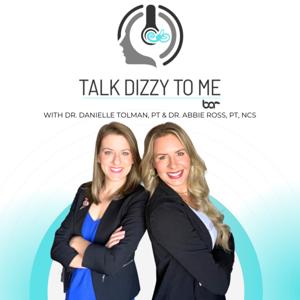

In this episode of Talk Dizzy To Me, vestibular physical therapists Dr. Abbie Ross, PT, NCS and Dr. Danielle Tolman, PT sit down with neurologist Dr. Kristin Steenerson to unpack Persistent Postural Perceptual Dizziness, also known as 3PD or PPPD.
If you feel dizzy, floaty, rocking, disoriented, or visually overwhelmed most days — especially in places like grocery stores, airports, busy restaurants, or while scrolling screens — this episode explains what may be happening in the brain and nervous system.
Dr. Steenerson breaks down the diagnostic criteria for 3PD, why symptoms can continue even after the original vestibular problem improves, how 3PD overlaps with vestibular migraine, and why treatment often requires a combination of education, vestibular therapy, medication, cognitive strategies, lifestyle support, and gradual exposure.
This conversation also addresses why 3PD is sometimes misunderstood, how hypervigilance plays a role, and why there is real hope for recovery and improved quality of life.
Hosted by:
🎤 Dr. Abbie Ross, PT, NCS
🎤 Dr. Danielle Tolman, PT
For episode recommendations or requests, email us at: [email protected]
Partnered with:
→ Our online program and community, The Dizzy Reset™, use code TALKDIZZYTOME for 40% off your first payment
→ Avulux glasses, use code DIZZYRESET for $25 off
→ Just Ingredients, use code TALKDIZZYTOME for 5% off
Connect with Us:
→ Book a free call with us
→ Get free resources straight to your inbox
→ Join our online program and community, The Dizzy Reset™
→ Watch podcast episodes (and more) on YouTube
→ Follow us on Instagram
→ Follow us on TikTok
→ Follow us on Facebook
→ Disclaimer
→ Enjoying the podcast? Leave us a review!
Timestamps:00:00 – Welcome to Talk Dizzy To Me
00:15 – Introducing Dr. Kristin Steenerson
01:10 – What is 3PD/PPPD?
01:37 – Diagnostic criteria: persistent, postural, perceptual dizziness
02:47 – Common triggers and risk factors
04:52 – Why some providers question the diagnosis
06:34 – Hypervigilance and lack of biomarkers
08:20 – Why symptoms can continue after the original issue resolves
09:35 – Education, reassurance, and moving from “detective mode” to rehab
11:24 – Brain health habits: sleep, food, exercise, hydration, stress
12:16 – Why symptom tracking can sometimes backfire
15:38 – Why grocery stores, airports, screens, and busy spaces trigger symptoms
17:47 – Fear, memory, and the brain’s threat response
19:39 – Avoidance vs gradual exposure
21:03 – Neurology evaluation and ruling out other causes
23:24 – What vestibular testing can and cannot show
25:14 – The gap in measuring perception
26:34 – fMRI research and brain network changes in 3PD
29:51 – Vestibular therapy for 3PD
31:00 – Medication options and why SSRIs/SNRIs may help
35:38 – 3PD vs vestibular migraine
41:05 – What progress looks like in recovery
43:49 – Permission to do hard things without fear of damage
44:47 – Community support and celebrating wins
45:42 – Future research: medications, CGRP, TMS, neuromodulation
48:54 – Mic drop takeaway for clinicians and patients
 View all episodes
 By Balancing Act Rehab

4.9
5252 ratings
In this episode of Talk Dizzy To Me, vestibular physical therapists Dr. Abbie Ross, PT, NCS and Dr. Danielle Tolman, PT sit down with neurologist Dr. Kristin Steenerson to unpack Persistent Postural Perceptual Dizziness, also known as 3PD or PPPD.
If you feel dizzy, floaty, rocking, disoriented, or visually overwhelmed most days — especially in places like grocery stores, airports, busy restaurants, or while scrolling screens — this episode explains what may be happening in the brain and nervous system.
Dr. Steenerson breaks down the diagnostic criteria for 3PD, why symptoms can continue even after the original vestibular problem improves, how 3PD overlaps with vestibular migraine, and why treatment often requires a combination of education, vestibular therapy, medication, cognitive strategies, lifestyle support, and gradual exposure.
This conversation also addresses why 3PD is sometimes misunderstood, how hypervigilance plays a role, and why there is real hope for recovery and improved quality of life.
Hosted by:
🎤 Dr. Abbie Ross, PT, NCS
🎤 Dr. Danielle Tolman, PT
For episode recommendations or requests, email us at: [email protected]
Partnered with:
→ Our online program and community, The Dizzy Reset™, use code TALKDIZZYTOME for 40% off your first payment
→ Avulux glasses, use code DIZZYRESET for $25 off
→ Just Ingredients, use code TALKDIZZYTOME for 5% off
Connect with Us:
→ Book a free call with us
→ Get free resources straight to your inbox
→ Join our online program and community, The Dizzy Reset™
→ Watch podcast episodes (and more) on YouTube
→ Follow us on Instagram
→ Follow us on TikTok
→ Follow us on Facebook
→ Disclaimer
→ Enjoying the podcast? Leave us a review!
Timestamps:00:00 – Welcome to Talk Dizzy To Me
00:15 – Introducing Dr. Kristin Steenerson
01:10 – What is 3PD/PPPD?
01:37 – Diagnostic criteria: persistent, postural, perceptual dizziness
02:47 – Common triggers and risk factors
04:52 – Why some providers question the diagnosis
06:34 – Hypervigilance and lack of biomarkers
08:20 – Why symptoms can continue after the original issue resolves
09:35 – Education, reassurance, and moving from “detective mode” to rehab
11:24 – Brain health habits: sleep, food, exercise, hydration, stress
12:16 – Why symptom tracking can sometimes backfire
15:38 – Why grocery stores, airports, screens, and busy spaces trigger symptoms
17:47 – Fear, memory, and the brain’s threat response
19:39 – Avoidance vs gradual exposure
21:03 – Neurology evaluation and ruling out other causes
23:24 – What vestibular testing can and cannot show
25:14 – The gap in measuring perception
26:34 – fMRI research and brain network changes in 3PD
29:51 – Vestibular therapy for 3PD
31:00 – Medication options and why SSRIs/SNRIs may help
35:38 – 3PD vs vestibular migraine
41:05 – What progress looks like in recovery
43:49 – Permission to do hard things without fear of damage
44:47 – Community support and celebrating wins
45:42 – Future research: medications, CGRP, TMS, neuromodulation
48:54 – Mic drop takeaway for clinicians and patients

3,983 Listeners

6,685 Listeners

27,775 Listeners

350 Listeners

8,203 Listeners
1,948 Listeners
32 Listeners

29,207 Listeners

2,040 Listeners

899 Listeners

19,524 Listeners

344 Listeners

304 Listeners

59 Listeners

9 Listeners