
Sign up to save your podcasts
Or

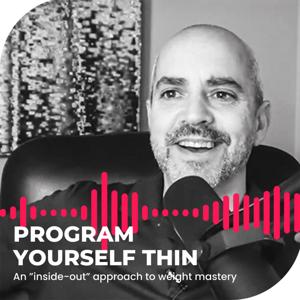


Based on Podcast App listening data
Comfortably cutting calories involves more than just eating less; it's about making smarter food choices that enhance satiety without the extra calories. Different types of calories can have distinct effects on how full you feel and how your body processes them. Instead of opting for processed, calorie-dense foods that offer little nutritional value and quick hunger returns, shift your focus towards fiber-rich, whole foods. Foods like fruits, vegetables, whole grains, and legumes not only help you feel fuller longer due to their high fiber content but also provide essential nutrients that support overall health. This approach allows you to reduce calorie intake naturally without feeling deprived or hungry.
If your current weight loss efforts aren’t yielding the desired results, it’s time to do something different. Rather than approaching weight loss with the typical dieter's mindset—focusing on extreme, rapid changes—consider a more sustainable, balanced approach. Shift your perspective from short-term weight loss to long-term health gains. Incorporate gradual changes into your lifestyle that you can maintain indefinitely, like increasing your daily activity level in enjoyable ways and choosing whole, nutrient-dense foods over processed options. By moving away from the restrictive dieter mentality, you open yourself up to a more holistic, less stressful path to weight management that's likely to produce lasting results.
The worst weight loss advice often revolves around extreme restriction and rigid dieting rules. Advice that demands cutting out entire food groups or severely limiting calorie intake might promise quick results, but such strategies are unsustainable and can even be harmful long-term. Strict diets are difficult to maintain, lead to nutritional deficiencies, and can cause physical and mental health issues. Moreover, they set you up for a cycle of yo-yo dieting, where any weight lost is quickly regained once normal eating resumes. The key to successful weight loss is adopting a balanced, moderate approach that can be maintained over the long haul, incorporating all food groups and focusing on portion control and nutritional balance.
Getting off track with your weight loss goals is a common experience, but becoming an expert in refocusing is key to long-term success. Start by reconnecting with your initial motivations. Take time to visualize achieving your goals—imagine how you will look, feel, and act at your ideal weight. This visualization can reignite your passion and commitment. Each time you stray, use it as a learning opportunity: analyze what led you off the path and devise strategies to prevent similar setbacks. By consistently realigning with your goals and learning from missteps, you develop resilience and adaptability, essential for maintaining progress toward your weight loss aspirations.
Foods that promote a leaner physique are typically whole and natural, packed with nutrients without excessive calories. Incorporating a diet rich in fruits, vegetables, whole grains, lean proteins, and healthy fats can lead to sustainable weight loss. These foods provide essential vitamins, minerals, and fiber, which enhance satiety and help regulate blood sugar levels, reducing the likelihood of overeating. Conversely, processed and junk foods often lead to more cravings due to their high sugar and fat content but low nutritional value. These foods trigger a cycle of short-term energy spikes and crashes, prompting further eating. By choosing whole foods, you nourish your body and support long-term health and weight management.
Living at your goal weight involves more than just reaching it; it requires developing sustainable habits that allow you to maintain it effortlessly. To do this, ask yourself, "How can I live at my goal weight for as long as possible?" Start by integrating habits that fit naturally into your lifestyle, like choosing nutritious foods you enjoy, finding physical activities that excite you, and managing stress effectively. Make these practices part of your daily routine, so they become second nature. Focus on balance rather than restriction, ensuring your approach is enjoyable and thus sustainable. This mindset shifts weight maintenance from a chore to a seamless aspect of your everyday life.
Painful weight loss motivation often stems from confronting the harsh realities of remaining overweight. Consider the potential reduction in life expectancy and the likely decrease in quality of life due to health complications associated with excess weight, such as diabetes, heart disease, and joint problems. Reflecting on how these health issues could limit your ability to enjoy life, perform daily activities, and spend quality time with loved ones can be a stark but effective motivator. Understanding the serious long-term consequences of not managing your weight can ignite a sense of urgency and commitment to adopting healthier lifestyle choices for a longer, more fulfilling life.
Recharging your batteries is crucial for successful weight loss, as ongoing stress and burnout can sabotage even the best intentions. Taking intentional breaks to relax and unwind is vital. Engage in activities that rejuvenate your spirit and relieve stress, whether it’s through meditation, yoga, reading, or spending time in nature. Directly addressing stressors in your life is also essential; this could mean seeking professional help, talking with friends, or organizing your responsibilities to manage them better. By ensuring you are mentally and emotionally balanced, you enhance your body's ability to lose weight effectively, as stress often leads to hormonal imbalances that can promote weight gain. Prioritize self-care and watch your weight loss efforts become more fruitful.
Constantly thinking about losing weight doesn't necessarily equate to genuine motivation. To truly boost your drive, delve deeper into how weight loss will positively impact areas of your life that matter most. Consider the health benefits, such as increased longevity and reduced risk of chronic diseases, which allow for a more vibrant, active life. Think about how shedding excess weight can enhance your performance at work, improve your leisure activities, and enrich interactions with family and friends. When you connect weight loss to meaningful aspects of your life, your motivation becomes rooted in significant personal goals, making the journey more compelling and the commitment stronger.
Stress can significantly hinder your weight loss efforts. When stressed, your body releases cortisol, a hormone that can increase appetite and drive cravings for high-calorie, sugary, and fatty foods, leading to weight gain. Moreover, stress often disrupts sleep patterns, another critical factor in effective weight management. To enhance your ability to lose weight, it's essential to incorporate stress-reduction techniques into your routine. Practices such as mindfulness, meditation, regular exercise, or engaging in hobbies can help manage stress levels. By maintaining a calmer state of mind, you can improve your metabolic health, making your weight loss journey more effective and sustainable. Prioritizing tranquility is not just good for your mind but also your body.
From the publisher's feed
Ranked by our users in the last 21 days

7,194 Listeners
2,605 Listeners

2,197 Listeners

7,475 Listeners

3,394 Listeners

9,155 Listeners

2,538 Listeners

27,895 Listeners

130 Listeners

561 Listeners

405 Listeners

18,907 Listeners

1,214 Listeners
1,279 Listeners

106 Listeners