
Sign up to save your podcasts
Or



Based on Podcast App listening data
Weight mastery is less like a sprint and more akin to a never-ending marathon. It’s a lifelong commitment to maintaining healthy habits and making consistent choices that support your overall well-being. The journey doesn’t end when you reach a certain number on the scale; it’s about adapting to changes in your body, lifestyle, and environment over time. Success in this marathon requires patience, resilience, and a willingness to continually reassess and adjust your strategies as needed. Embracing this mindset helps you navigate the ups and downs, ensuring that your efforts are sustainable and integrated seamlessly into your daily life for lasting health and happiness.
Your weight and how well you nourish your body play crucial roles in how you age and your overall quality of life. Keeping your weight in a healthy range and eating well can make you feel more energetic and vibrant as you get older. Good nutrition helps keep your body strong and can ward off fatigue and lethargy that often come with aging. By focusing on a balanced diet and maintaining a healthy weight, you're not just looking after your physical health; you're also giving yourself the best chance to enjoy your later years with more vitality and fewer limitations.
Losing weight is fundamentally simple: it boils down to reducing calorie consumption. However, the mindset surrounding this process can complicate it. Abandon the all-or-nothing thinking that often sabotages weight loss efforts. Instead, adopt a more balanced approach. You don't have to cut out all your favorite foods or drastically reduce your food intake overnight. Start by making small, sustainable changes, such as swapping high-calorie items for lower-calorie alternatives and reducing portion sizes. Focus on gradual improvements and consistency rather than perfection. This approach not only makes the process more manageable but also helps you maintain your weight loss over the long term.
If the thought of weight loss fills you with dread, it's time to reassess your approach. Losing weight should be a rewarding and pleasurable experience, not a source of anxiety. If you feel overwhelmed, you might be taking on too much too quickly. Instead of aiming for rapid, drastic changes, shift your mindset to focus on lasting, sustainable results. Implement small, manageable adjustments that enhance your overall well-being and are enjoyable to maintain. This gradual approach reduces the pressure and increases the likelihood of long-term success, transforming weight loss into a positive journey that benefits both your physical and mental health.
Losing weight doesn't have to be a battle against yourself. Instead of channeling energy into self-criticism or rigorous discipline that feels punitive, redirect it towards supporting and nurturing your growth. Adopt a mindset that views weight loss as an opportunity to enhance your well-being and learn more about your body's needs. Celebrate small victories, learn from setbacks, and treat yourself with kindness and respect. Focus on making gradual, sustainable changes that contribute to your overall health, such as incorporating more whole foods into your diet, finding physical activities you enjoy, and managing stress effectively. This supportive approach fosters a positive relationship with your body and promotes long-term success.
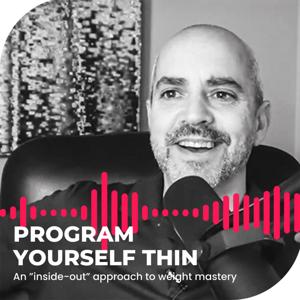
Weight Loss Is Inconsistent & Unpredictable | Program Yourself Thin Podcast - Episode 384
Understanding the difference between craving and hunger is crucial for effective weight management. Hunger is your body’s natural signal that it needs energy, usually satisfied by any food. In contrast, cravings are driven by emotional needs or specific taste desires and not by hunger. A practical method to distinguish between them is to ask yourself when you feel "hungry": Would I eat an apple or a carrot right now? If the answer is no, and you're only interested in something specific, like chips or chocolate, it's likely a craving, not true hunger. Recognizing this can help you make conscious choices about when and what you eat, aiding in better control over your diet and overall health.
Losing weight can often feel like navigating a road filled with unexpected turns and stops; it's inherently inconsistent and unreliable. The key to managing this journey is to keep calm and stay patient. Stressing over every fluctuation only makes the process harder and can lead to setbacks. Instead, embrace a relaxed approach. Understand that weight loss is not linear; some weeks you might lose more, some less, and sometimes you might plateau. This is all part of the natural process. By maintaining a calm demeanor, you'll be better equipped to make consistent, healthy choices and handle setbacks effectively, leading to long-term success.
To effectively feel full and manage your appetite, it's crucial to incorporate a holistic approach to your daily habits. Start by ensuring you get enough sleep, as a well-rested body better regulates hunger hormones, reducing unnecessary cravings. Staying hydrated is also key; drinking plenty of water throughout the day can help you feel satiated and even boost your metabolism. Additionally, managing stress through relaxation techniques like yoga or meditation can prevent emotional eating. Lastly, integrating more natural, fiber-rich foods into your diet, such as fruits, vegetables, and whole grains, can prolong fullness and prevent overeating by slowing down digestion. These combined efforts create a natural sense of satiety and support weight management.
Rethinking how you view food is key to successful weight loss. If you currently see food primarily as a source of pleasure but suffer discomfort or pain afterward, it's time to shift your focus. Instead of concentrating on the immediate satisfaction food provides, consider how you feel after eating. Does the food leave you feeling sluggish, bloated, or guilty? By changing your perspective to prioritize the aftermath rather than the anticipation, you'll gain a more accurate representation of how different foods affect your body and well-being. This mindfulness will guide you to make healthier choices that not only taste good but also make you feel good.
From the publisher's feed
Ranked by our users in the last 21 days

7,194 Listeners
2,605 Listeners

2,197 Listeners

7,475 Listeners

3,394 Listeners

9,155 Listeners

2,538 Listeners

27,895 Listeners

130 Listeners

561 Listeners

405 Listeners

18,907 Listeners

1,214 Listeners
1,279 Listeners

106 Listeners