
Sign up to save your podcasts
Or



Based on Podcast App listening data
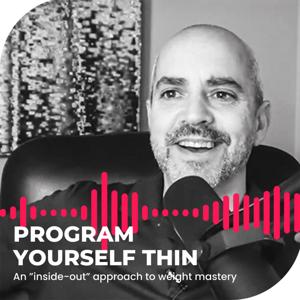
If you're struggling with being overweight, the fundamental issue often boils down to consuming more calories than your body expends. To address this, shift your focus from short-term dieting to living at your goal weight through sustainable, long-term lifestyle changes. Emphasize making gradual adjustments that you can maintain indefinitely, rather than seeking immediate, drastic results. By envisioning and starting to live as your future, healthier self now, you create a natural path that leads to reaching and maintaining your weight goals. This approach not only helps you lose weight but also supports maintaining it effortlessly.
If you're overweight and find that diets only work for a short time, it's likely because these diets are not sustainable in the long term. Many diets focus on quick fixes—severe calorie restriction or cutting out entire food groups—which are difficult to maintain and can lead to nutritional imbalances. This approach often results in a cycle of yo-yo dieting, where any weight lost is eventually regained. Effective weight management requires a lifestyle change that includes a change in mindset. Strategies should be realistic and flexible enough to adapt to your life, ensuring you can maintain healthy habits indefinitely.
Getting back on track with weight loss doesn't require drastic measures or perfection. Discard the all-or-nothing thinking and embrace flexibility to reintegrate healthy habits into your life. Start by setting small, achievable goals that gradually build momentum. For instance, if you've strayed from your diet, don't attempt to overhaul your eating habits overnight. Instead, begin by incorporating one healthy meal a day, then gradually increase as you regain confidence and control. Similarly, if exercise has fallen by the wayside, start with shorter, manageable workouts. Being strategic and steady allows you to rebuild your routine without the pressure of immediacy, fostering long-term consistency and success.
Summer holidays offer a tempting array of foods that can challenge even the most disciplined eaters. Instead of adhering strictly to a diet, embrace the spirit of moderation. Enjoy the day fully but sensibly. Indulge in your favorite treats in smaller portions and balance them with healthy options. Learn and practice new enjoyment strategies such as savoring each bite, which enhances satisfaction and prevents overeating. Adopt the "all or something" approach, not "all or nothing." This mindset allows you to enjoy festive foods without overindulgence, aligning holiday enjoyment with your health goals. By doing so, you can celebrate without compromising your well-being.
While calories are important in weight management, they are not the most crucial factor. It's essential to consider what leads to your caloric intake—the amount and type of calories consumed. This includes examining your habits, lifestyle, mindset, energy levels, relaxation practices, choices, and awareness. For instance, stress might lead you to choose high-calorie comfort foods, while a lack of sleep could disrupt your hunger hormones and prompt overeating. Focusing on building healthy habits, such as regular physical activity, adequate rest, and mindful eating, will naturally guide your caloric decisions. This holistic approach ensures that you're not just counting calories, but making choices that lead to lasting health and wellness.
You're not David Goggins or Jillian Michaels; it's unrealistic to expect yourself to show up at 100% every single day. Life is full of challenges and fluctuations in energy, motivation, and circumstances. Instead of setting unattainable standards, strategize around your real-life conditions. Build on your strengths and tailor your fitness and diet plans to suit your personal capabilities and lifestyle. Meet yourself where you're at and focus on improving by just 1% every day. This approach fosters gradual, sustainable progress by making small, manageable enhancements rather than seeking overnight transformations. It’s about consistent, incremental growth, which over time leads to substantial change and lasting results.
Weight loss is not a linear journey; it includes ebbs and flows, highs and lows. Recognizing this as a normal part of the process is crucial for long-term success. Rather than striving for perfection, anticipate fluctuations in your progress and develop realistic strategies for managing downturns. This might include adjusting your diet and exercise routines, seeking support from a community or coach, or revisiting and refining your goals. Embrace the mindset that setbacks are opportunities to learn and grow, not reasons to give up. By preparing for these natural dips and having a plan to handle them, you set yourself up for sustained success in your lifelong journey toward health and wellness.
The best way to suppress your appetite naturally is to focus on eating more whole, fiber-rich, and minimally processed foods. Foods high in fiber, such as fruits, vegetables, legumes, and whole grains, not only provide essential nutrients but also take longer to digest, keeping you fuller for longer periods. This approach helps stabilize blood sugar levels, reducing the frequency of hunger pangs. Moreover, shifting your perspective on food from merely counting calories to appreciating its nutritional value can change your eating behaviors. Viewing food as nourishment encourages healthier choices, naturally leading to a more satisfied, less calorie-driven appetite. This method not only helps manage hunger but also supports overall health.
Politics and weight loss share several similarities, particularly in how emotions can impact both. In both arenas, staying relaxed and not getting overly worked up are crucial strategies. High emotions can cloud judgment, leading to rash decisions in political discourse or impulsive eating in weight loss efforts. In both cases, a calm, thoughtful approach tends to yield better, more sustainable outcomes. Just as political negotiations require cool-headedness for consensus and progress, successful weight management requires a balanced, non-reactive approach to dietary choices and exercise. Keeping emotions in check allows for clearer thinking and better decision-making, which is essential whether navigating the complexities of political landscapes or personal health goals.
If you're not losing weight, the simplest explanation may be that you're consuming more calories than your body burns, leading to a caloric surplus. Even if you think you're eating healthy, portion sizes and hidden calories in foods like dressings, sauces, and snacks can add up. To overcome this, start by accurately tracking your daily caloric intake using a food diary or an app, ensuring you account for everything you consume. Additionally, evaluate your meal choices and portion sizes. Incorporating more whole, nutrient-dense foods can help fill you up without excessive calories. Consistently maintaining a caloric deficit will lead to weight loss over time.
From the publisher's feed
Ranked by our users in the last 21 days

7,194 Listeners
2,605 Listeners

2,197 Listeners

7,475 Listeners

3,394 Listeners

9,155 Listeners

2,538 Listeners

27,895 Listeners

130 Listeners

561 Listeners

405 Listeners

18,907 Listeners

1,214 Listeners
1,279 Listeners

106 Listeners