
Sign up to save your podcasts
Or



Based on Podcast App listening data
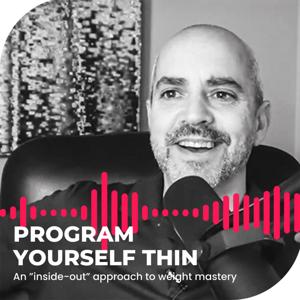
Willpower alone is often insufficient for sustainable weight loss because it is a limited resource, easily depleted under stress, fatigue, or temptation. Most of our behaviors, including eating habits, operate on autopilot, driven by subconscious patterns and routines developed over time. Relying solely on willpower targets these behaviors only at the conscious level, suitable for short-term challenges but not for long-term change. Instead, the key to lasting weight loss is reprogramming the mind, changing the deep-seated habits that dictate daily choices. This involves creating new, healthier routines that eventually become automatic, reducing the reliance on willpower and making healthy choices the new norm.
The logistics of losing weight are crucial for setting yourself up for success. Begin with careful planning: outline most meals for the week, including snacks, to minimize impulsive eating. Create shopping lists based on these menus and stick to them, ensuring you buy only what you need for your planned meals. Embrace home cooking as it gives you control over ingredients and portion sizes. Preparing meals in advance can save time and reduce the temptation to opt for less healthy convenience foods. By organizing these aspects of your diet, you create a structured environment conducive to weight loss, making it easier to stick to your goals with less effort and more consistency.
Once you reach your goal weight, the key is not to shift gears dramatically but to continue with the maintenance practices you've already started. Ideally, the transition from weight loss to weight maintenance should be seamless, reflecting a lifestyle that you can sustain indefinitely. Focus on mastering maintenance techniques early in your journey, making them integral to your daily routine. This includes balanced eating, regular physical activity, and ongoing mindfulness about your health choices. By making maintenance a fundamental part of your weight loss process, you ensure it’s a natural continuation rather than a new phase, setting you up for long-term success and a healthier lifestyle that lasts a lifetime.
Grant yourself permission to make weight loss easy by reframing the process. Shift your focus from the urgency of "How quickly can I lose weight?" to the sustainability of "How can I live at my goal weight on near autopilot for the rest of my life?" This change in perspective emphasizes creating a lifestyle that naturally supports your health goals without constant strain or struggle. Focus on integrating habits that feel natural and enjoyable, like choosing foods that you not only find delicious but that also nourish your body, and engaging in physical activities that you look forward to. This approach helps maintain your ideal weight effortlessly, turning healthy living into a seamless part of your everyday life.
Imagine who you would be without the weight loss struggle consuming your thoughts and energy. Without this burden, think of the freedom you’d have—more time to pursue passions and hobbies that might have been sidelined. Your health would likely improve, not just physically but mentally, as the stress of constant dieting dissipates. With more energy, your choices would expand, enabling you to seek adventures and experiences that previously seemed too daunting. Relationships might deepen, no longer overshadowed by your preoccupations with weight. This reflection isn't just hypothetical; it can guide you towards a life where weight doesn't define your actions or your worth, opening up a broader spectrum of personal fulfillment and happiness.
The "all or nothing" mindset is arguably one of the worst approaches to weight loss and health. It sets unrealistic expectations, often leading to a cycle of intense effort followed by inevitable failure when perfection isn’t achieved. Life is unpredictable—work commitments, personal issues, and health struggles will inevitably arise, making it impossible to always stick perfectly to a plan. Instead, adopt a "do something" mindset. This means making the best choices you can under the circumstances, even if they're not perfect. Small, consistent actions add up over time and are more sustainable than striving for perfection, which often leads to giving up entirely.
A more effective weight loss goal transcends numbers on a scale, focusing instead on how you will feel throughout the journey. Starting from day one, aim to feel calm, relaxed, happy, peaceful, and energetic. This emotional focus encourages a healthier approach to weight loss, where the process itself becomes enjoyable and sustainable. Taking things slowly, integrating gradual changes into your lifestyle, and prioritizing your well-being over rapid results can transform your experience. By connecting your goals to your feelings, you create a powerful motivational tool that keeps you engaged and committed, making the path to weight loss as rewarding as the outcome itself.
Extending your weight loss time frame involves shifting your mindset from reaching a goal weight to maintaining it indefinitely. Often, the goal weight is seen as the finish line, but true success lies in living at your goal weight permanently. This requires adopting long-term, sustainable lifestyle changes rather than relying on temporary diets. Emphasize habits you can maintain comfortably, such as eating balanced, nutritious meals and enjoying regular physical activity that fits into your life. Approach weight loss as a lifelong commitment to health, not just a means to an end. By doing so, you set yourself up not just to reach but to live at your goal weight, integrating these practices seamlessly into your daily life.
How bad do you feel? Assessing this can significantly inform your journey toward better health. Start by noticing your physical comfort: Are you often fatigued? Do you experience joint pain or discomfort after eating certain foods? These can be indicators of your body’s response to your current lifestyle. Next, consider the mental cost: What is the nature of your self-dialogue? Are you critical or supportive of yourself? Lastly, reflect on your emotional habits: How stable are your emotions throughout the day? Are they affected by your eating habits? Addressing these aspects can help you understand the comprehensive impact of your lifestyle choices and guide you in making changes that enhance your overall well-being.
Gratitude plays a transformative role in weight loss by shifting your focus from what you lack to the abundance you already possess. Begin by expressing gratitude for your body’s current capabilities and functionalities, appreciating the very vehicle that allows you to move, breathe, and engage with life. Be thankful for the resources available to you now—the food choices, knowledge, and opportunities for physical activity. Cultivating gratitude shouldn't be postponed until after you've reached your weight loss goals. The more gratitude you feel now, the more positively you'll view your journey, making it easier to change habits. This positive mindset encourages healthier decisions and fosters a deeper, more meaningful engagement with your weight loss process.
From the publisher's feed
Ranked by our users in the last 21 days

7,194 Listeners
2,605 Listeners

2,197 Listeners

7,475 Listeners

3,394 Listeners

9,155 Listeners

2,538 Listeners

27,895 Listeners

130 Listeners

561 Listeners

405 Listeners

18,907 Listeners

1,214 Listeners
1,279 Listeners

106 Listeners