
Sign up to save your podcasts
Or



Based on Podcast App listening data
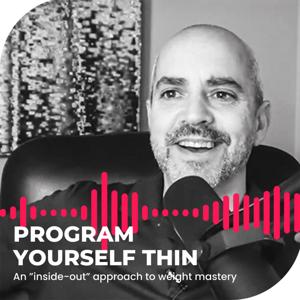
Relying solely on willpower for weight loss is often ineffective because it's a finite resource that can quickly become depleted under stress, fatigue, or temptation. Instead, the key to sustainable weight loss lies in reprogramming your conscious mind. This involves changing your habitual thoughts and behaviors around food and activity. By establishing new, healthier routines and making them automatic, you reduce the need for willpower. For instance, instead of using willpower to resist unhealthy food, you can reprogram your mind to naturally prefer healthier options. This shift towards creating automatic habits ensures that weight management becomes a part of your lifestyle, not a constant battle requiring willpower.
Strategic weight loss transcends short-term, singular tactics, focusing instead on personalized, multidimensional strategies that promise long-term success. This approach starts with mastering your mindset. Understanding your motivations and reshaping your thoughts around food and exercise can fundamentally change your behavior. It’s also crucial to manage your feelings effectively, recognizing emotional eating triggers and finding healthier ways to cope with stress and anxiety. Ask yourself insightful questions like, "What truly satisfies me?" or "What habits can I sustain long-term?" By tailoring strategies to your individual needs, preferences, and lifestyle, you create a weight loss plan that’s not only effective but also enjoyable and sustainable.
Managing your hunger is crucial for effective weight loss. Start by incorporating more fiber-rich foods into your diet, such as fruits, vegetables, legumes, and whole grains. Fiber helps you feel fuller longer, reducing the urge to snack impulsively. Focus on eating nutrient-dense foods that provide essential vitamins and minerals without excessive calories, such as lean proteins, healthy fats, and greens. It's also beneficial to become more aware of your hunger levels and identify what triggers your urge to eat. Is it emotional, habitual, or true physical hunger? Tracking these patterns helps make informed decisions, aligning your eating habits with your weight loss goals.
How quickly you can lose weight should be approached with a focus on long-term sustainability rather than immediate restriction. Rapid weight loss strategies often lead to just as rapid weight gain once normal eating resumes, creating a frustrating cycle of loss and regain. Instead, aim for gradual changes that you can maintain indefinitely. By focusing on slow, steady weight loss, you’re more likely to keep the weight off permanently, avoiding the need to start over repeatedly. This approach ensures a healthier, more sustainable weight management journey.
Bouncing back from bad eating days is an essential skill in the journey to a healthier lifestyle. Recognize that these slip-ups are a normal part of the process. Managing expectations and changing your response to setbacks are key steps in maintaining long-term commitment. Instead of feeling defeated, use these moments as learning opportunities to better understand what triggers your poor eating habits. Developing real, comfortable strategies to fall back on helps you get back on track quickly. Each recovery strengthens your resolve and reinforces your ability to handle future challenges.
Losing weight and feeling good are deeply interconnected; sustaining motivation long-term is unlikely if you feel miserable throughout the process. It's crucial to cultivate a mindset that values patience and views weight mastery as a journey rather than a quick fix. This approach helps maintain a positive outlook and a sense of accomplishment, which are essential for ongoing motivation. By integrating enjoyable, fulfilling activities into your routine and choosing foods that not only nourish but also satisfy, you create a sustainable and pleasurable path toward weight loss. Embrace the process as an opportunity to grow into the thin, healthy person you aspire to be, feeling great every step of the way.
Food commercials are like mini hypnosis sessions, subtly appealing to your emotions and subconscious desires through repeated exposure. These ads are crafted to trigger cravings and influence your eating habits, often promoting less healthy food choices that can derail weight loss efforts. To counteract this, a proactive strategy is to reduce exposure to these commercials as much as possible. Opt for ad-free streaming services or make use of technology that allows you to skip commercials. If that's not possible, use the commercial break as a moment to mute, turn off the TV, or engage in a different activity. Limiting these subconscious influences helps you maintain control over your dietary choices and supports your weight loss goals.
Willpower is a finite resource that can deplete throughout the day, making consistent healthy choices challenging. In contrast, routines and rituals conserve mental energy by automating behaviors, reducing the need for constant decision-making. By strategically creating routines around healthy eating, exercise, and sleep, you minimize reliance on willpower. For example, prepping meals ahead of time or scheduling regular workout sessions can transform these activities into habitual parts of your day, requiring less mental effort to initiate. This approach not only saves energy but also builds a sustainable framework for health that doesn't hinge on the fluctuating strength of willpower. Over time, these habits become second nature, supporting long-term health and wellness goals effortlessly.
Practicing being thin and healthy starts with programming your mind. It's about envisioning and embodying the persona of the person you aspire to be. Imagine how you would think, what choices you would make, and how you would act if you were already at your goal. Would you choose different foods? Engage in different activities? How would you carry yourself? By mentally practicing these habits, you align your subconscious with your goals, making it easier to adopt these behaviors in real life. This mental rehearsal is a powerful tool, transforming your thought patterns and ultimately, your lifestyle, guiding you towards becoming the thin and healthy person you aim to be.
Weight loss can significantly impact your relationships, as changes in eating habits might affect social interactions centered around food, like dinners and happy hours. Friends and loved ones might feel uneasy as your choices shift, potentially affecting rapport. Recognizing these impacts is crucial; open communication about your goals and the reasons behind your choices can help. It's also important to be aware of potential sabotage, whether intentional or not, and address it constructively. Creating new routines that align with your lifestyle changes, such as suggesting active meetups or healthier dining options, can help maintain and even strengthen relationships during your weight loss journey.
From the publisher's feed
Ranked by our users in the last 21 days

7,194 Listeners
2,605 Listeners

2,197 Listeners

7,475 Listeners

3,394 Listeners

9,155 Listeners

2,538 Listeners

27,895 Listeners

130 Listeners

561 Listeners

405 Listeners

18,907 Listeners

1,214 Listeners
1,279 Listeners

106 Listeners