
Sign up to save your podcasts
Or

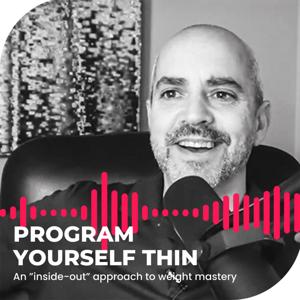


Based on Podcast App listening data
Redefining the fastest weight loss as the quickest sustainable method shifts focus from short-term solutions to long-term success. Achieving and maintaining your ideal weight forever requires a holistic approach that encompasses mindset, lifestyle, and habits. It starts with cultivating a positive, resilient mindset that embraces challenges and views setbacks as opportunities for growth. Integrating healthy lifestyle choices, such as balanced nutrition, regular physical activity, and sufficient sleep, becomes crucial. Equally important is developing habits that support these choices, making them second nature. This approach ensures that weight loss is not just rapid but also sustainable, leading to lifelong health and well-being.
Optimizing your weight loss plan to make it easier, more enjoyable, and effective requires a blend of personalization and flexibility. First, tailor your diet to include foods you actually enjoy that are also nutritious, allowing for variety to keep meals interesting. Incorporate physical activities that excite you, whether it’s dancing, hiking, or yoga, to ensure exercise feels less like a chore. Set realistic goals and celebrate small victories to maintain motivation. Don’t forget to account for rest and recovery, as well as mental well-being, integrating stress-reducing practices like meditation or journaling. An optimized plan addresses body and mind, making your weight loss journey a positive, fulfilling experience.
When people try to sabotage your weight loss, it often acts like holding up a mirror to their own lifestyle choices or insecurities. It's not that they don't love you, but seeing you make positive changes can trigger their own self-reflection, sometimes uncomfortably so. Practice empathy towards them, understanding that their reactions are more about their internal struggles than about you. Simultaneously, use this as an opportunity to boost your motivation. Reconnect with your "big why" — the deep, personal reasons you started on this journey. Let this understanding and your goals reinforce your resolve, helping you navigate these challenges with grace and determination.
Your expectations play a significant role in your weight loss journey. Recognizing that weight loss occurs at different speeds for everyone is crucial. It's not a linear process; ups, downs, and pauses are not only common but also unavoidable in a sustainable journey. Setting realistic expectations can prevent disappointment and discourage feelings of failure during slower periods or plateaus. Understanding and accepting the nature of weight loss can help maintain motivation and resilience, encouraging you to stay the course. By adjusting your expectations, you embrace the journey's inherent variability, which is essential for long-term success and overall well-being.
A holistic approach to weight loss encompasses much more than just dieting and exercise. It requires a comprehensive strategy that addresses mindset, lifestyle, and eating habits. Start by cultivating a positive mindset, emphasizing self-compassion and setting realistic goals. Lifestyle changes should include consistent sleep patterns, stress management techniques, and finding joy in physical activity rather than viewing it as a chore. When it comes to eating, focus on nourishing your body with whole foods and mindful eating practices. Integrating these aspects creates a balanced approach, making weight loss a natural outcome of a healthier, more fulfilled life. This method ensures sustainable results, fostering physical and mental well-being.
Feeling confident before you even start losing weight is pivotal. Begin by acknowledging areas in your life where you already feel confident. This could be your skills at work, your ability to connect with others, or your creativity. Recognizing these strengths builds a foundation of self-assurance. Gradually, apply this confidence-building practice to your health journey. Set small, achievable goals and celebrate when you reach them, reinforcing your belief in your capabilities. Confidence in one area can spill over into another, creating a positive cycle of self-belief and action. Remember, genuine confidence in yourself and your health decisions is crucial; without it, self-doubt may hinder your progress. Start with belief, and the actions will follow more naturally.
Starting a diet is daunting because it often comes with associations of deprivation, pain, and anticipated failure, fueled by past experiences or societal narratives. Many fear the inevitable regain of weight, believing that the strict restrictions of most diets are unsustainable in the long term. This mindset sets the stage for a self-fulfilling prophecy of failure. The key to overcoming this challenge lies in shifting focus from short-term diets to sustainable, long-term habit changes. Embracing a holistic approach that integrates healthy eating, regular physical activity, and mental well-being can transform your journey into one of lasting health, rather than a cycle of temporary fixes and disappointments.
Staying on track with your goals, even when motivation wanes, is crucial. Accept that there will be days you're just not feeling it, and plan for them in advance. Have a strategy that includes a few options to keep you moving forward—this could mean having a lighter workout planned instead of skipping it entirely, or choosing healthier "convenience" meals over fast food. Adopt an "all or something" mindset rather than "all or nothing." Doing something, no matter how small, keeps the momentum and prevents the guilt or discouragement that often follows doing nothing. Small steps can still lead you toward your goals and help maintain progress.
Reducing your desire for food starts with changing how you think about it. Instead of focusing solely on the anticipation and pleasure of eating, shift your attention to the consequences of your food choices. Consider how different foods impact your body, your energy levels, and your health in the long term. When you start valuing food for its nutritional benefits rather than immediate gratification, your cravings can diminish. Mindful eating practices can also help, encouraging you to savor each bite and recognize when you're truly satisfied. By retraining your brain to see food as fuel rather than just a source of pleasure, you can significantly reduce your desire for it, making healthier choices more instinctive.
Planning to lose weight successfully requires adopting long-term, sustainable, and enjoyable strategies rather than short-lived tactics. Focus on integrating healthy eating and physical activity into your life in ways that feel rewarding and feasible to maintain indefinitely. Choose foods that nourish and satisfy you, and find forms of exercise that you look forward to doing. Incorporate mindfulness to stay connected with your body’s needs and to enjoy each moment of your journey. Establishing a supportive community, whether through friends, family, or online groups, can also enhance your motivation and enjoyment. Remember, the goal is to create a lifestyle that you love, where weight loss is a natural byproduct of living your best life.
From the publisher's feed
Ranked by our users in the last 21 days

7,194 Listeners
2,605 Listeners

2,197 Listeners

7,475 Listeners

3,394 Listeners

9,155 Listeners

2,538 Listeners

27,895 Listeners

130 Listeners

561 Listeners

405 Listeners

18,907 Listeners

1,214 Listeners
1,279 Listeners

106 Listeners