
Sign up to save your podcasts
Or



Based on Podcast App listening data
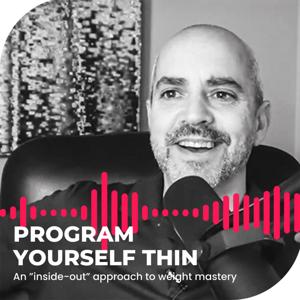
Why the rush to lose weight? Often, impatience and a desire for quick results lead to unsustainable methods and eventual sabotage. Rapid weight loss strategies are typically short-lived, failing to establish the habits necessary for long-term health. The real goal isn't just to reach a certain weight but to live as a thin, healthy person, almost on autopilot, for life. This requires a calm, steady approach, focusing on gradual changes that can be maintained indefinitely. By slowing down and prioritizing sustainable lifestyle changes over immediate results, you set the stage for not just reaching your goal weight but comfortably maintaining it as a natural part of your life.
The worst weight loss goal is to focus solely on reaching a specific number on the scale. This approach is often shortsighted and lacks the depth needed for sustained motivation. A more meaningful and intrinsic goal encompasses not just a target weight, but the reasons why you want to reach it. For instance, "I want to lose weight to improve my health, feel more energetic, and be more active with my family." These reasons provide a deeper motivation and emotional connection to your goal, making the journey more about overall well-being rather than just hitting a number. Such goals inspire long-term commitment and lifestyle changes, essential for lasting weight loss.
The two worst ingredients for weight loss are sugar and salt, primarily because they can lead to overeating. Sugar, especially added sugar found in many processed foods, can trigger cravings and lead to a cycle of highs and lows in blood sugar levels. This often results in a constant desire for more sugary foods, making portion control challenging. Similarly, salt can lead to water retention and bloating, and it often masks the true flavors of food, leading to overconsumption. Both of these ingredients, when consumed in excess, not only contribute to weight gain but also pose significant health risks over time. Reducing their intake is key to a successful weight loss strategy.
The value of a weight loss support system is immense, particularly when facing the inevitable ups and downs of the journey. Whether it's educational videos, motivational podcasts, or a personal coach, external support can significantly reinforce positive habits and provide the necessary encouragement during discouraging times. These resources offer not just information, but also inspiration and accountability. They remind you that you're not alone in your journey, providing a sense of community and shared experience. This outside support can be the difference between giving up during tough times and pushing through to meet your goals, making it a crucial element of successful, long-term weight management.
All weight loss journeys begin with a pivotal decision: "I am going to master my weight." This commitment isn't about striving for perfection, but rather embracing small, incremental, and systematic behavior changes. It's about setting realistic goals and taking consistent steps towards achieving them. Each small change builds upon the last, creating a foundation for sustainable weight loss. Remember, it's the accumulation of these little shifts in behavior over time that leads to significant, long-lasting results.
Eating for pleasure while controlling weight is about balance and mindfulness. The ultimate goal is to enjoy your favorite foods at your goal weight, in control. To achieve this, engage all your senses when eating. Savor the aroma, texture, and taste of each bite, eating slowly and with appreciation. Maintaining a calm state during meals helps in mindful eating, ensuring you're eating because of hunger, not emotions. Most of the time, focus on clean, nutritious foods, knowing this approach leaves room for occasional indulgences. By eating clean regularly, you create a healthy foundation, allowing space to enjoy treats without overindulgence, striking a perfect balance between health and pleasure.
The hardest part of losing weight is often patience. In a world of instant gratification, the slow and steady nature of sustainable weight loss can be challenging. Weight loss is a process that involves changing long-standing habits and lifestyle choices, which doesn't happen overnight. It requires consistent effort over time, and results can sometimes be gradual and less dramatic than one might hope for. Embracing patience means understanding and accepting this reality, maintaining motivation even when progress seems slow. Celebrating small victories and focusing on the positive changes beyond the scale can help in cultivating the patience necessary for long-term success in your weight loss journey.
Facing the fear of loose skin, which can be a barrier to weight loss, requires calmness and perspective. It's important to acknowledge this fear, but also to recognize the greater benefits of weight loss for your health and well-being. Shift your focus from purely aesthetic concerns to stronger motivations like improved mobility, enhanced energy levels, and reduced risk of chronic diseases. Understand that while loose skin may be a possibility, its impact is often less significant compared to the myriad health benefits of a healthier weight. Embrace the journey of weight loss as a path to a healthier, more vibrant life, where appearance is just one aspect of your overall well-being.
The main culprit in contributing to overweight issues is often processed foods. These foods are typically high in added sugars, unhealthy fats, and calories, while being low in essential nutrients. They're engineered for overconsumption, designed to trigger pleasure centers in the brain, making them addictive and easy to overeat. Processed foods also often lack dietary fiber, leading to less satiety and more frequent hunger pangs. By reducing your intake of processed foods and replacing them with whole, nutrient-rich options like fruits, vegetables, whole grains, and lean proteins, you can better manage your weight while also improving your overall health.
A lifestyle approach to weight loss centers on managing your lifestyle through the influence of mood via healthy habits. It's not just about what you eat or how much you exercise, but also about how you feel. Positive mood states, fostered by healthy habits, can significantly impact your choices. Prioritize activities that boost your mood - like regular physical exercise, which releases endorphins, or practicing mindfulness and gratitude, which improve mental well-being. Eating nutritious foods also plays a crucial role in mood regulation. By focusing on a holistic lifestyle that nurtures both body and mind, weight loss becomes a natural byproduct of a happier, healthier way of living.
From the publisher's feed
Ranked by our users in the last 21 days

7,194 Listeners
2,605 Listeners

2,197 Listeners

7,475 Listeners

3,394 Listeners

9,155 Listeners

2,538 Listeners

27,895 Listeners

130 Listeners

561 Listeners

405 Listeners

18,907 Listeners

1,214 Listeners
1,279 Listeners

106 Listeners