
Sign up to save your podcasts
Or



Based on Podcast App listening data
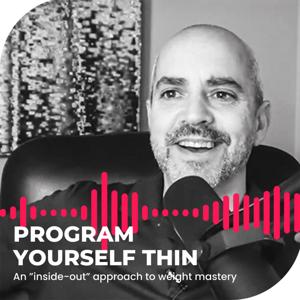
Relaxing during the holidays is important in enjoying this time of year as well as wellness and weight loss. The season, often packed with events and indulgences, can easily lead to stress and overeating. Prioritize self-care: ensure adequate sleep, practice stress-reducing activities like meditation or gentle yoga, and find time for yourself amidst the bustle. Keep up with regular exercise, even if it's a shorter or less intense routine, to maintain balance. Enjoy holiday treats mindfully, savoring them in moderation without guilt. Remember, the holidays are a time to celebrate and rejuvenate, not for perfection. A relaxed, balanced approach can help maintain your health and weight goals during this festive season.
Dealing with weight fluctuations can include viewing your weight as a range rather than a fixed number. Weight naturally fluctuates due to factors like water retention, hormonal changes, and even the time of day. Instead of fixating on daily changes, consider a range that your weight might fall within. This perspective helps reduce stress and anxiety over normal fluctuations. Monitor trends over weeks or months rather than days, and focus on consistent, healthy habits rather than the scale alone. Remember, weight is just one indicator of health and not the sole measure of progress in your wellness journey.
Holidays and weight loss can be a tricky combination. It's often not the best time to start a strict diet, given the plethora of temptations and disruptions to routine. However, adopting an "all or something" rather than an "all or nothing" mindset can be beneficial. Instead of completely disregarding your weight loss goals, find a middle ground. Enjoy holiday treats in moderation, focus on portion control, and try to stay active. Small, consistent efforts, like a daily walk or choosing healthier options when possible, can make a difference. This balanced approach helps you enjoy the festivities without completely derailing your weight loss journey.
The thoughts that facilitate weight loss are solution-oriented and positive. Instead of dwelling on setbacks or self-criticism, focus on thoughts like, "Each healthy choice brings me closer to my goal." Embrace a growth mindset: view challenges as opportunities to learn rather than as failures. Think in terms of actionable steps, such as, "If I'm not hungry, I'll take a walk or drink water instead of snacking." Celebrate your progress, however small, and remind yourself, "I am capable and strong." Such empowering thoughts reinforce your commitment to health and well-being, gradually cultivating habits and behaviors that align with being and staying thin.
To stop overeating, start with these three steps: First, get calm before eating. Stress often leads to mindless eating. Take a few deep breaths or have a brief mindfulness moment to center yourself before meals. This helps in eating more consciously. Second, manage your hunger strategically. Don't wait until you're famished to eat; extreme hunger can lead to overeating. Instead, eat smaller, balanced meals and snacks throughout the day to maintain steady blood sugar levels. Third, focus on nourishing your body with whole foods. These foods are more satisfying, nutrient-dense, and typically lower in calories, helping to naturally control your appetite and portion sizes.
Reaching your goal weight can often be distilled down to changing just three key habits. First, tackle your two worst eating habits. Perhaps you're prone to late-night snacking or overindulging in sugary drinks. Gradually replacing these habits with healthier alternatives, like choosing water or herbal tea and preparing a nutrient-rich evening snack, can significantly impact your calorie intake. Secondly, address the one habit that keeps you tired, like inconsistent sleep patterns or overreliance on caffeine. Improving sleep hygiene and finding natural energy boosters like light exercise or balanced meals can boost your metabolism and energy levels, aiding weight loss. These habit changes, though small, can collectively make a substantial difference.
Being more consistent with weight loss is about easing into your chosen strategy and adjusting expectations about time. It's not a sprint, but a marathon. Start with small, manageable changes to your diet and exercise routine that you can maintain over time. Instead of expecting rapid results, focus on the long-term goal and celebrate small victories along the way. Also, prioritize consistency over intensity. It’s better to have moderate, regular workouts and balanced meals most days than extreme dieting or intense workouts that you can't sustain. Consistency in these smaller efforts compounds over time, leading to more significant, lasting results.
The biggest myth in weight loss is the overemphasis on willpower. It's not merely about resisting temptation through sheer force of will; it’s more akin to cultivating a skill, like learning an instrument or growing a garden. These activities require patience, consistent practice, and a learning mindset. Similarly, successful weight loss involves understanding your body, learning what foods and activities work best for you, and adapting to changes. It's about creating sustainable habits, not just enduring short-term deprivation. Like mastering a musical piece or nurturing plants, weight loss is a journey of gradual improvement, learning from setbacks, and celebrating progress, not just a test of willpower.
To think like a thin and healthy person, start with a mindset shift. Focus on how healthy individuals make food choices. They don’t just dwell on the anticipation and immediate pleasure of eating; they consider the whole cycle - anticipation, consumption, and consequence. Before eating, they anticipate not only the taste but also how the food will affect their body and mood. During consumption, they savor each bite mindfully, often eating slower and enjoying the experience. Afterwards, they pay attention to how they feel, reinforcing choices that make them feel energized and satisfied. By adopting this mindful approach, you align your eating habits with long-term health and wellness goals.
Wrapping your weight loss journey in personal development transforms it from a mere physical endeavor to a holistic growth process. It's about evolving not just in body, but in mind and spirit. Set goals that extend beyond the scale, like gaining confidence, enhancing emotional resilience, or cultivating mindfulness. Celebrate non-scale victories, like choosing a healthy meal over fast food, or feeling more energetic. Engage in activities that nourish your soul along with your body, like yoga, meditation, or journaling. By intertwining weight loss with personal development, you create a more balanced, fulfilling journey towards health, where physical changes are just one part of your overall well-being and growth.
From the publisher's feed
Ranked by our users in the last 21 days

7,194 Listeners
2,605 Listeners

2,197 Listeners

7,475 Listeners

3,394 Listeners

9,155 Listeners

2,538 Listeners

27,895 Listeners

130 Listeners

561 Listeners

405 Listeners

18,907 Listeners

1,214 Listeners
1,279 Listeners

106 Listeners