
Sign up to save your podcasts
Or



Based on Podcast App listening data
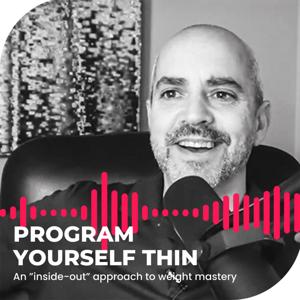
Wanting to look better is a common reason people try to lose weight. However, this goal alone might not keep you motivated for the long haul. It's like aiming for something shallow when there are deeper reasons to consider. Instead, think about how losing weight can make you healthier, give you more energy, and boost your self-esteem. When you focus on these things, it becomes easier to stick with your weight loss journey, even when it gets tough. So, while looking better is a part of it, it's essential to understand the bigger picture and the real benefits of being healthier.
Coping with disappointment during your weight loss journey is essential for your overall well-being and progress. First, acknowledge your feelings without self-criticism; it's a normal part of the process and temporary. Analyze what triggered the letdown, whether it's a plateau or a slip-up, and reevaluate your approach. Adjust your goals if needed, ensuring they're realistic and sustainable. Seek support from friends, family, or a professional to help navigate your emotions. Finally, use disappointment as a motivator, learning from it and using it to strengthen your resolve. Embracing setbacks as opportunities for growth ensures a healthier, more resilient path toward your weight loss goals.
Simplifying your weight loss journey is key to achieving long-term success. Begin by setting clear, realistic goals that are specific, measurable, and attainable. Focus on sustainable changes in your diet and exercise routine instead of quick fixes or extreme diets. Prioritize regular physical activity that you enjoy, whether it's walking, cycling, or dancing, to make it a sustainable part of your routine. Stay consistent and track your progress, adjusting your plan as needed. Surround yourself with support, whether it's a friend, family member, or a fitness community. Remember that weight loss is a journey, not a destination, and adopting a simplified, balanced approach will help you achieve and maintain your desired results.
The power of believing you can lose weight, regardless of past failures, is profound. It signifies a shift from self-doubt to self-empowerment. Past setbacks do not define your future potential. When you truly believe in your ability to achieve weight loss, you ignite determination and resilience. You approach challenges with a growth mindset, learning from past mistakes rather than dwelling on them. This belief fuels motivation and consistency, crucial elements in sustainable weight loss. It enables you to envision a healthier, happier version of yourself and propels you towards that goal. Ultimately, unwavering self-belief is the driving force behind transformative success on your weight loss journey.
Choosing the best diet for you involves a personalized approach, merging elements that work from various plans while discarding what doesn't align with your needs and preferences. Experiment with different diets, but be adaptable. Embrace whole, unprocessed foods as a foundation. Pay attention to how your body responds, noting energy levels, satiety, and overall well-being. Customize your diet with aspects from different plans, whether it's Mediterranean, intermittent fasting, keto, or plant-based, focusing on what suits you best. Ultimately, the key is to create a sustainable, balanced eating pattern tailored to your unique lifestyle and health goals.
Strategically reducing calorie intake is a key element of effective weight management. Start by tracking your daily intake to identify problem areas. Opt for nutrient-dense foods that keep you full longer, like fruits, vegetables, and lean proteins. Practice portion control by using smaller plates and being mindful of serving sizes. Limit high-calorie, low-nutrient foods like sugary snacks and processed items. Drink water before meals to curb hunger. Plan balanced, satisfying meals in advance to avoid impulsive choices, ensuring a sustainable and healthy approach to weight management.
Shift away from the all-or-nothing mindset in your weight loss journey. Embrace moderation and balance instead. Strive for progress, not perfection. Small, consistent steps yield lasting results. Don't let setbacks derail you; they're natural and temporary. Allow flexibility in your approach – a treat won't undo your efforts. Focus on long-term well-being, not immediate outcomes. Celebrate every achievement, no matter how small. Recognize that sustainable change comes from sustained effort, not extreme measures. By ditching the all-or-nothing mentality, you open the door to healthier habits and a positive relationship with your body, fostering a journey of gradual, transformative success.
The right mindset is crucial for successful weight loss, often overlooked. Negative self-talk or a lack of self-belief can sabotage progress. Unrealistic expectations, striving for quick fixes, may lead to disappointment. Emotional eating can be overlooked, as we sometimes use food to cope with stress or emotions. Identifying and addressing these mental and emotional aspects of weight loss is essential. Shifting to a positive, patient, and self-compassionate mindset, along with realistic goals, fosters sustainable success. It's not just about changing your body; it's also about transforming your relationship with food and your own thoughts, promoting a healthier, happier life.
When it comes to weight loss, many people focus on short-term results. They may try a fad diet or exercise program that promises quick weight loss. However, these methods are often unsustainable and lead to weight regain in the long run. A more successful approach to weight loss is to focus on changing your mindset. This means adopting a healthy attitude towards food and exercise, and believing in your ability to succeed. When you have a positive mindset, you are more likely to make sustainable changes that will lead to long-term weight loss.
The mindset approach to weight loss revolves around transforming thoughts and attitudes. Focus shifts from temporary fixes to long-term well-being. Cultivate self-compassion, understanding that change takes time. Replace self-criticism with positive self-talk, fostering a healthier relationship with your body. Set realistic goals, celebrating each milestone. Embrace mindfulness, recognizing hunger cues and savoring meals. Overcome setbacks with resilience, viewing them as part of the journey. Visualize success and believe in your capability to achieve it. Ultimately, the mindset approach harnesses the power of thought to drive sustainable, holistic weight loss changes.
From the publisher's feed
Ranked by our users in the last 21 days

7,194 Listeners
2,605 Listeners

2,197 Listeners

7,475 Listeners

3,394 Listeners

9,155 Listeners

2,538 Listeners

27,895 Listeners

130 Listeners

561 Listeners

405 Listeners

18,907 Listeners

1,214 Listeners

1,279 Listeners

106 Listeners