
Sign up to save your podcasts
Or



Based on Podcast App listening data
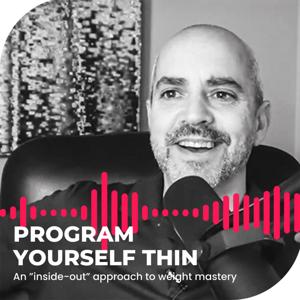
After overeating, it's essential to take note of how you feel physically, mentally, and emotionally. Avoid self-criticism and negative internal dialogue. Acknowledge the experience, but avoid dwelling on guilt or regret. Get back on track as soon as possible with your usual healthy habits, avoiding restrictive behaviors to compensate. Embrace the overeating as a learning opportunity, understanding triggers and addressing emotional connections to food. Minimize the fear of making mistakes, as they are part of the learning process. Adopt a growth mindset, focusing on progress and positive changes in your weight loss journey.
Dopamine, a neurotransmitter in the brain, plays a crucial role in weight loss. It’s associated with the brain's reward system and motivates behavior linked to pleasure and gratification. When we engage in enjoyable activities, like eating delicious food or achieving fitness goals, dopamine is released, creating a sense of satisfaction and reinforcement. By incorporating pleasurable aspects into a weight loss journey, such as finding enjoyable exercises and incorporating favorite foods in moderation, dopamine can be harnessed to maintain motivation and adherence. Understanding the link between dopamine and weight loss can help create a positive and sustainable approach, making the journey more enjoyable and successful.
Solution-oriented questions can play a key role in achieving weight loss success. Instead of dwelling on problems or setbacks, these questions shift focus towards actionable solutions. Asking "What healthy and delicious meals can I prepare today?" or "How can I fit in some physical activity during my busy schedule?" encourages positive decision-making. By challenging negative thoughts with questions like "What are some healthier alternatives to my favorite snacks?" or "How can I stay motivated during challenges?", you stimulate problem-solving and foster a proactive mindset. Emphasizing solution-oriented questions empowers you to make consistent progress on your weight loss journey and create lasting habits for a healthier lifestyle.
The amount of weight you can lose in a year depends on various factors, including your starting point, individual metabolism, and dedication to a sustainable approach. It's crucial to prioritize long-term goals and develop a positive mindset towards weight loss. Rapid weight loss often leads to unsustainable practices and regaining lost weight. By adopting gradual and steady strategies, such as making healthier food choices, incorporating regular exercise, and focusing on lifestyle changes, you can achieve more sustainable results. Emphasizing slow and steady progress promotes better adherence and ensures that weight loss becomes a permanent part of a healthy lifestyle.
Relaxing yourself thin involves incorporating stress reduction techniques into your weight loss journey. Stress and anxiety can lead to emotional eating and hinder weight loss progress. By practicing relaxation methods like deep breathing, meditation, or yoga, you can manage stress more effectively. Relaxation helps balance hormones, reduces cravings, and enhances overall well-being, which can positively impact your weight loss efforts. Cultivating a calm and composed mindset supports better decision-making when it comes to food choices and encourages consistency in exercise. By prioritizing relaxation and self-care, you create a more sustainable and enjoyable path to achieving your weight loss goals.
Imagining yourself thin can be a powerful tool in weight loss and body transformation. Visualization techniques help create a clear and vivid mental image of your desired self, fostering motivation and determination. By envisioning a healthier and slimmer version of yourself, you tap into the power of the subconscious mind, reinforcing positive beliefs and goals. Visualization can boost self-confidence and commitment to making healthier choices, such as eating well and exercising regularly. While it is not a substitute for action, imagining yourself thin can serve as a valuable mental rehearsal, helping you stay focused on your weight loss journey and moving towards achieving your goals.
Shifting the focus from "losing weight" to "becoming thinner" can transform the way we perceive our health and fitness journey. The term "losing weight" often carries a negative connotation, implying deprivation or loss. In contrast, "becoming thinner" suggests a positive transformation, emphasizing progress and self-improvement. It encourages a mindset shift towards achieving a leaner, stronger, and healthier body through sustainable habits. Embracing this perspective allows us to celebrate small victories, acknowledge the effort invested in our well-being, and fosters a more empowering and compassionate relationship with our bodies. It's not just about numbers; it's about embracing a lifestyle that supports a happier and healthier version of ourselves.
Indeed, your weight is not only a reflection of your physical habits but also of your mental habits. The way you think and feel about yourself and your body can significantly impact your weight and overall health. Negative self-talk and emotional eating can lead to unhealthy weight gain, while a positive mindset and self-care practices promote a balanced approach to weight management.
Pleasure-based weight loss is a revolutionary approach that prioritizes enjoyment and satisfaction in the journey towards a healthier body. Rather than fixating on restrictive diets or grueling exercise regimens, it centers on discovering activities and foods that bring joy. By incorporating pleasurable experiences, individuals are more likely to stick with their new habits in the long term. This approach encourages mindful eating, where the focus is on savoring each bite and honoring hunger and fullness cues. Engaging in activities that bring happiness also boosts motivation to stay active. Pleasure-based weight loss fosters a positive relationship with oneself and promotes sustainable, fulfilling lifestyle changes.
Kickstarting your weight loss journey with self-forgiveness is a powerful and compassionate approach. Often, past struggles with weight and body image can create negative emotions and self-blame. By embracing self-forgiveness, you release yourself from the burden of guilt and shame, enabling a fresh start. Instead of dwelling on past mistakes, focus on the present and future. Nurture self-compassion, understanding that everyone faces challenges. This positive mindset fosters resilience and motivation. Embrace the learning process and celebrate each step forward, no matter how small. Self-forgiveness empowers you to make healthier choices and cultivate a sustainable, loving relationship with your body and yourself.
From the publisher's feed
Ranked by our users in the last 21 days

7,194 Listeners
2,605 Listeners

2,197 Listeners

7,475 Listeners

3,394 Listeners

9,155 Listeners

2,538 Listeners

27,895 Listeners

130 Listeners

561 Listeners

405 Listeners

18,907 Listeners

1,214 Listeners
1,279 Listeners

106 Listeners