
Sign up to save your podcasts
Or

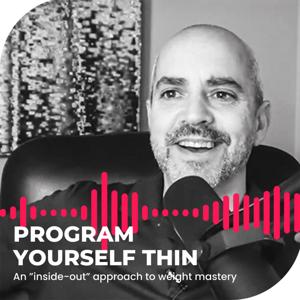


Based on Podcast App listening data
When we prioritize our well-being, weight loss becomes a natural byproduct. It's not just about shedding pounds; it's about nourishing our bodies, boosting energy, and enhancing overall happiness. When we focus on feeling good, we naturally gravitate towards healthier choices. Incorporating self-care practices like adequate sleep, stress management, joyful movement, and mindful eating can create a positive cycle of self-improvement. So let's shift our perspective from solely chasing a number on the scale to embracing a holistic approach that leaves us feeling better and ultimately helps us reach our weight loss goals.
In today's podcast, we discuss the concept of getting addicted to health and developing foundational habits. By incorporating habits such as proper sleep, hydration, relaxation, breathing, nourishment, movement, meditation, and gratitude into our daily lives, we can experience transformative change. The key is to start with one or a few habits and make them easily manageable. Consistency is more important than intensity. Gradually, these habits become automated and addictive, leading to a strong foundation for overall well-being. By focusing on simple and consistent actions, we can create a positive shift in our health and lifestyle.
Losing weight in social situations can present unique challenges, but with some strategies, it can be managed effectively. Planning ahead by making healthier choices before attending events can help minimize temptation. Communicating your goals to friends and family can garner support and understanding. Engaging in mindful eating, paying attention to hunger cues, and practicing portion control can also be helpful. It's essential to focus on enjoying the company and conversation rather than solely on food. Additionally, finding alternative activities like taking a walk or engaging in group workouts can shift the focus away from solely indulging in food. Ultimately, striking a balance between socializing and making healthy choices is key to successfully navigating social situations while on a weight loss journey.
Engaging in fun exercises and activities can be a great way to promote weight loss while enjoying the process. Incorporating activities that you genuinely enjoy can increase motivation and adherence to an active lifestyle. Dancing, whether in a structured class or simply at home, can burn calories while having a blast. Outdoor activities like hiking, biking, or swimming provide a refreshing change of scenery and help burn calories. Sports such as basketball, tennis, or soccer not only provide an excellent workout but also offer the thrill of competition. Other options include group fitness classes, martial arts, or even playful activities like jumping on a trampoline. The key is to find activities that bring joy and make weight loss feel like a fun and rewarding journey.
The question of whether one truly wants to lose weight goes beyond the surface level desire for a slimmer physique. It dives into personal motivations, values, and priorities. It's important to examine one's reasons for desiring weight loss. Is it for societal approval or to conform to unrealistic beauty standards? Or is it driven by genuine concerns for health, well-being, and improved quality of life? Understanding the underlying motivation is crucial for success. Weight loss journeys require commitment, discipline, and resilience. Without a genuine desire to make lasting changes and embrace a healthier lifestyle, it becomes challenging to sustain the necessary efforts and overcome obstacles along the way.
The biggest reason diets often prove ineffective is the common perception of them as temporary changes. Many approach diets with a short-term mindset, viewing them as a means to an end rather than a sustainable lifestyle adjustment. This mindset fosters the idea of a "quick fix" for weight loss, overlooking the importance of long-term habits. Once the diet is completed or the weight goal is achieved, old habits tend to resurface, leading to weight regain. To truly succeed, it's crucial to view healthy eating as a permanent shift, focusing on developing sustainable habits that can be maintained over time, rather than relying on temporary and restrictive measures.
When it comes to weight loss motivation, love and hate are two contrasting emotions that can drive individuals in different ways. Love, as a motivation, stems from self-care, self-acceptance, and a desire to lead a healthy and fulfilling life. It promotes a positive mindset, focusing on nourishing the body and cultivating habits that promote well-being. On the other hand, hate-based motivation stems from dissatisfaction, self-criticism, and a desire to change based on negative self-perception. While hate may initially provide a surge of determination, it can lead to unhealthy extremes, self-sabotage, and an unsustainable approach. Ultimately, love-based motivation tends to be more effective, sustainable, and beneficial for long-term weight loss success.
In this podcast, we discuss a unique approach to weight loss centered around pleasure rather than deprivation. With a 5-2 model, where five days are dedicated to clean eating and two days to pleasure eating instead of completely eliminating favorite foods, the focus is on compressing consumption into those pleasure days. By looking forward to enjoying these foods, dopamine levels increase, driving positive behavior. The goal is to eat these favorite foods in a controlled manner, aiming to achieve the ideal body and a healthy relationship with food. This approach promotes a guilt-free, balanced, and enjoyable weight loss experience, making the process more sustainable and rewarding.
Intermittent fasting has gained popularity as an effective approach for weight loss. This eating pattern involves cycling between periods of fasting and eating. By restricting the eating window, intermittent fasting can help reduce overall calorie intake. It also promotes fat burning and increases metabolic flexibility. Moreover, it may improve insulin sensitivity and reduce inflammation. However, it's important to approach intermittent fasting with caution. It may not be suitable for everyone; consulting a healthcare professional is advised. Additionally, combining intermittent fasting with other healthy habits and the right mindset can enhance its weight loss benefits.
Managing frustration while trying to lose weight is crucial for long-term success. Instead of viewing setbacks as failures, see them as opportunities to learn and grow. Embrace the belief that progress takes time and that each small step forward is a victory. Focus on the process rather than fixating solely on the outcome. Practice self-compassion by acknowledging that setbacks happen and treating yourself with kindness. Use frustration as fuel to reassess your strategies, make adjustments, and keep moving forward. Cultivate patience and celebrate non-scale victories along the way. With a growth mindset, you can navigate the challenges of weight loss with resilience and determination.
From the publisher's feed
Ranked by our users in the last 21 days

7,194 Listeners
2,605 Listeners

2,197 Listeners

7,475 Listeners

3,394 Listeners

9,155 Listeners

2,538 Listeners

27,895 Listeners

130 Listeners

561 Listeners

405 Listeners

18,907 Listeners

1,214 Listeners

1,279 Listeners

106 Listeners