
Sign up to save your podcasts
Or



Based on Podcast App listening data
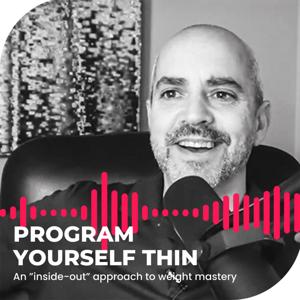
Setting a goal weight can be a useful tool for weight loss, as it provides a clear target to work towards. However, it is important to approach goal setting in a healthy and realistic manner. Focusing solely on achieving a specific number on the scale can lead to unhealthy behaviors, such as extreme calorie restriction and over-exercising. Instead, consider setting a range of goal weights based on your body type and lifestyle, and prioritize making sustainable lifestyle changes that promote overall health and well-being. Remember, weight is just one aspect of health, and it is important to prioritize overall physical and mental wellness over a number on the scale.
The fastest way to lose weight is not through crash diets or extreme exercise regimes. In fact, these methods often lead to short-term weight loss and long-term weight gain. The key to sustainable and long-lasting weight loss is a shift in mindset and lifestyle habits. Instead of focusing on immediate results, adopt a sustainable approach to weight loss. This includes making gradual lifestyle changes and developing a positive relationship with food. By focusing on sustainable and long-term results, you can achieve weight loss goals without sacrificing overall health and wellbeing. A balanced and healthy lifestyle is the key to achieving and maintaining a healthy weight.
Imagining yourself thin can be a powerful tool in the weight loss process. Visualization techniques can help you to focus on your goals and motivate you to make the necessary lifestyle changes. By creating a mental image of yourself as a thinner, healthier person, you can begin to cultivate a positive mindset and build confidence in your ability to achieve your desired weight.
There are several emotional or situational triggers that can lead to overeating. Stress is a common trigger, as it can cause the release of the hormone cortisol, which can increase appetite. Boredom can also lead to overeating, as it can be tempting to turn to food for entertainment. Social situations, such as parties or gatherings, can trigger overeating due to the abundance of food and social pressure to indulge. Emotions such as sadness, loneliness, or anxiety can also lead to overeating as a means of coping or seeking comfort. And food cravings can be a powerful trigger, especially for highly palatable, calorie-dense foods. One effective strategy is to engage in alternative activities that can distract or soothe the mind, such as going for a walk, practicing yoga, or listening to music. Another approach is to practice mindfulness when eating, paying attention to the taste and texture of the food, and savoring each bite and even changing your environment.
Having the right mindset is essential for achieving any goal, including weight loss. When it comes to losing weight, it's not just about eating the right foods or exercising regularly. It's about having the mindset that you can achieve your desired weight and making a commitment to yourself to take the necessary steps to get there. With the right mindset, you can overcome challenges and setbacks, stay motivated, and make healthy choices consistently. You can develop a positive relationship with food and your body, and learn to prioritize your health and well-being. So, if you want to be as thin as you want to be, start by cultivating a positive mindset. Believe in yourself, commit to your goals, and take action every day to create a healthier, happier you.
The question "How can I make weight loss easy and enjoyable?" is a great starting point for anyone looking to embark on a weight loss journey. By reframing weight loss as something that can be both easy and enjoyable, individuals can approach the process with a positive mindset and set themselves up for success. One way to make weight loss easy and enjoyable is to focus on incorporating healthy habits into daily life rather than restricting oneself. By prioritizing self-care and finding ways to make healthy choices feel enjoyable rather than burdensome, individuals can approach weight loss in a sustainable way that doesn't feel like a chore.
The key to getting motivated to lose weight is to focus on developing a positive mindset. Start by visualizing yourself achieving your goal and the benefits that come with it. Cultivate a growth mindset, recognizing that setbacks are opportunities for learning and growth. Challenge negative self-talk by reframing thoughts positively. Surround yourself with positive influences, such as supportive friends and family, motivational books or podcasts, and uplifting social media accounts. Practice self-care and prioritize your mental and emotional health. Finally, remember that motivation comes from within, and it's up to you to stay committed and focused on your goals. With a positive mindset, sustainable weight loss is achievable.
Thinking like a thin person is about cultivating a healthy mindset, not simply following a restrictive diet. It involves adopting a lifestyle that prioritizes self-care, mindfulness, and moderation. Rather than obsessing over calorie counts and restrictive meal plans, thin people tend to make healthier choices instinctively and effortlessly. They view food as fuel for their bodies rather than a source of emotional comfort or indulgence. Additionally, thin people often prioritize movement and physical activity in their daily lives, whether it's through formal exercise or simply finding ways to be more active throughout the day. Ultimately, thinking like a thin person means embracing a balanced, sustainable approach to health and wellness.
Unhealthy cravings can be a major obstacle for individuals trying to lose weight. These cravings are often triggered by a combination of factors, including stress, boredom, and the body's natural response to certain foods. Reducing the frequency and intensity of unhealthy cravings could include making more nourishing food choices, practicing mindful eating, and developing a regular exercise routine. By addressing the root causes of unhealthy cravings and adopting healthier lifestyle habits, you can achieve their weight loss goals and improve their overall health and well-being.
While losing weight, a crucial tool to add to your box is bouncing back fast from setbacks. In terms of mindset, it's important to cultivate a growth mindset, instead of giving up when things get tough, approach challenges as opportunities to learn and grow. Strategies such as tracking progress, setting realistic goals, and seeking support from friends and family can also help in bouncing back fast. Remember, setbacks are a normal part of any journey, but with the right mindset and strategies, you can quickly bounce back and continue towards your goals.
From the publisher's feed
Ranked by our users in the last 21 days

7,193 Listeners
2,605 Listeners

2,197 Listeners

7,477 Listeners

3,393 Listeners

9,152 Listeners

2,538 Listeners

27,909 Listeners

132 Listeners

561 Listeners

405 Listeners

18,920 Listeners

1,216 Listeners

1,279 Listeners

106 Listeners