
Sign up to save your podcasts
Or



Based on Podcast App listening data
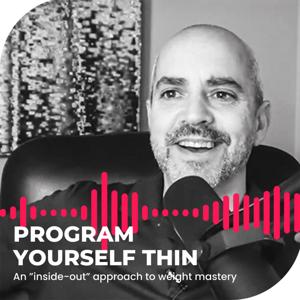
Being thin is not just a matter of luck or genetics, it is a skill that can be developed through a combination of mindset, habits, and actions. The first step is to adopt a growth mindset, which means believing that you have the ability to change and improve your body through effort and consistency. From there, you can develop healthy habits such as regular exercise, balanced nutrition, and stress management. Being thin also requires self-discipline, motivation, and resilience, as you will inevitably face obstacles and setbacks along the way. With practice and persistence, you can hone the skill of being thin and enjoy the benefits of a healthy and fit body.
When losing weight, it can be challenging to resist tempting foods. However, it's important to cultivate a mindset that allows you to say "no" without feeling deprived or guilty. Start by focusing on your goals and why you're committed to them. Remind yourself that saying "no" to certain foods is a choice you're making to achieve those goals.
Shift your perspective from seeing food as a reward or comfort to seeing it as fuel for your body. Recognize that you can still enjoy delicious and healthy foods while staying on track. Practice mindfulness and self-awareness, paying attention to your body's hunger and fullness signals.
And don't be too hard on yourself if you slip up. Remember that progress, not perfection, is the goal. Celebrate your successes and keep moving forward.
Fiber is a type of carbohydrate that the body cannot digest, which means it passes through the digestive system largely intact. This property of fiber makes it an important nutrient for weight loss and weight management. Foods that are high in fiber tend to be filling and can help people feel full for longer periods of time, leading to reduced food intake and lower calorie consumption. Additionally, fiber slows down the absorption of nutrients, including carbohydrates, which can help regulate blood sugar levels and prevent spikes and crashes in energy. Some high-fiber foods include fruits, vegetables, whole grains, and legumes. Incorporating fiber-rich foods into meals can help support weight loss and promote overall health.
Creating a weight loss support system can be a critical step towards achieving long-term success in weight loss goals. Such a system can include friends, family, or even a support group or online community that shares similar objectives. The support system can provide motivation, encouragement, and accountability, making it easier to stay on track and persevere through setbacks. In addition, a support system can provide helpful tips, share resources, and offer constructive feedback. It's also important to communicate openly and honestly with the support system about challenges and successes to keep everyone informed and engaged. With a strong support system in place, individuals are more likely to achieve their weight loss goals and maintain a healthy lifestyle.
Daylight savings time changes can disrupt the body's natural circadian rhythm, leading to difficulty in getting a good night's sleep. Sleep is crucial for weight loss as it helps regulate hormones that control appetite and metabolism. This can lead to overeating and weight gain. To combat the effects of DS changes on sleep, it's important to maintain a consistent sleep schedule, limit caffeine and alcohol intake, and create a relaxing sleep environment. Prioritizing sleep can also aid in weight loss efforts
In celebration of International Women’s Day, let’s talk about one of the women who has greatly influenced my methods in coaching, Virginia Satir, a pioneer in the field of family therapy and change. Satir's stages of change model identifies five stages individuals go through when they face transitions. The stages are particularly relevant in understanding how individuals approach their weight loss journey.
When it comes to losing weight permanently, a mindset change is crucial - and can happen in an instant. Instead of focusing on losing weight fast, it's important to shift your focus towards making sustainable lifestyle changes that will promote long-term weight mastery. By thinking like a thin person and adopting a healthier lifestyle, weight loss will naturally occur over time, and maintaining this lifestyle will ensure that the weight stays off permanently. Remember, slow and steady wins the race when it comes to losing weight for good.
To let go of regret and lose weight, it's essential to focus on developing a positive mindset. Start by forgiving yourself for any past mistakes or decisions that may have led to weight gain or unhealthy habits. Instead of dwelling on the past, focus on the present moment and the future. Set realistic goals for yourself and commit to taking small steps each day to achieve them. Focus on the benefits of healthy habits, such as increased energy and confidence, rather than the negatives of past mistakes. Practice self-care, including getting enough rest and engaging in activities that bring you joy. Celebrate your progress, and remember that change takes time and effort.
When you feel like giving up on weight loss, it's important to focus on your mindset. First, remind yourself of your reasons for wanting to lose weight, whether it's for health, confidence, or any other personal goal. Then, try to reframe your thinking from an "all or nothing" mentality to a more flexible and forgiving one. Acknowledge that setbacks and slip-ups are a natural part of the process, and use them as learning opportunities instead of reasons to give up. Remember to celebrate small victories and progress, and seek support from friends, family, or a professional if needed. Finally, practice self-compassion and kindness towards yourself, as weight loss can be a challenging journey.
Preparing to lose weight requires a shift in mindset. To get thin and achieve lasting weight loss, one must embrace a positive and realistic mindset, think like a thin person. First, set realistic goals that are achievable and sustainable in the long run. Avoid fad diets that promise quick fixes but ultimately fail to deliver long-term results. Instead, adopt healthy habits such as eating whole, nutrient-dense foods and engaging in regular exercise. It's essential to cultivate a growth mindset that focuses on progress rather than perfection. Be kind to yourself and don't beat yourself up over slip-ups. Remember, weight loss is a journey that requires patience, perseverance, and a positive attitude.
From the publisher's feed
Ranked by our users in the last 21 days

7,193 Listeners
2,605 Listeners

2,197 Listeners

7,477 Listeners

3,393 Listeners

9,152 Listeners

2,538 Listeners

27,909 Listeners

132 Listeners

561 Listeners

405 Listeners

18,920 Listeners

1,216 Listeners

1,279 Listeners

106 Listeners