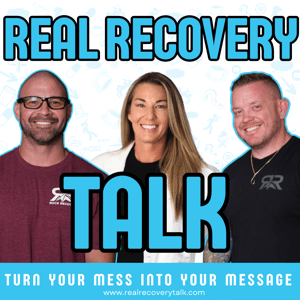
Real Recovery Talk

Real Recovery Talk

By Tom Conrad, Ben Bueno, Dr. Pamela TambiniHealth & FitnessMental HealthEducationSelf-Improvement
Download on the App Store

Real Recovery Talk episodes

  • 42 - What a State Run Facility Is Like, Billy Tells His Experience

    Billy is a man who has been clean for 14 months and is helping other people to do the same. In this episode, he shares his story and his history of abuse. He was in a downward spiral until a man he met in jail told him about Fern House recovery center. Billy took it step by step and just followed the directions. He now not only is in recovery, but he is helping others do the same.

    This show is going to focus on the differences between a private treatment center and a state-run treatment center. People whose resources have been used up often end up in a state run center or a non-profit like Fern House. These centers are much more bare bones, and you really have to want it to recover with minimum help. We also talk about how people who are fortunate enough to go to a private treatment center have an opportunity of a lifetime. Listen in as Ben and I talk with Billy about treatment and recovery.

    Show Notes

    • [02:16] Billy has been in South Florida for about 23 years.
    • [02:27] He is from Pomona, California. He is 45 years old and has been clean for 14 months.
    • [03:40] Billy was in a motorcycle accident about 10 years ago when he was trying to outrun the police.
    • [03:48] He was put on medication and it eventually got a hold of him. He would go to a dual diagnosis hospital and get his meds for the month so that he would not be sick.
    • [04:23] He had a pain medication doctor who would legally subscribe his medication. He was abusing the medication, so he would run out before the month was up.
    • [05:14] Billy already had a history of addiction. He started with pot when he was just a kid and gradually worked up the chain of drugs. He even did something that he said he would never do and put a needle in his arm when he was 36.
    • [07:19] After his motorcycle accident, Billy lost his new house and his business and had to move back in with his parents.
    • [08:26] He had limited insurance, but he would use it to fuel his drug habit. When he ran out of medication, he would get admitted to a dual diagnosis hospital to be given pain medication during treatment.
    • [09:21] A dual diagnosis Hospital treats mental illness and substance abuse. The Baker Act means if someone is a harm to themselves or others, they can be put into a hospital for up to 72 hours.
    • [10:03] At the dual diagnosis hospital they do provide treatment groups, but you don't have to attend. You basically just eat and sleep and go out for cigarette breaks while being high on the drugs that they give you.
    • [11:16] Things continued to spiral downward for Billy. He got arrested and met a guy in jail who told him about Fern House residential rehabilitation.
    • [11:20] He went there and stayed there for six months. People in jail or prison get referred here often.
    • [13:10] In state-funded facilities the clinicians aren't paid very well, and it's more of a bare bones treatment plan. Private centers have more resources.
    • [18:41] At the Fern House, Billy learned to go to meetings, and he kept following the directions. He did what people told him and followed the process.
    • [20:55] Ben and Billy met at the Fern House and Ben shared his 12-step experience with Billy.
    • [21:32] Today, Billy sponsors guys at the Fern House and passes it on.
    • [22:38] Billy shares a story of how lying is not the best idea. Honesty is part of the process.
    • [25:28] Sending kids to a treatment facility is not sending them on vacation.
    • [26:16] Private facilities provide more in client care such as quality well-paid therapists. You can also have fun, because getting sober isn't easy. At Rock they do fun activities like boating and fishing.
    • [28:07] It can be a struggle to learn how to live again at a state lock-down type facility.
    • [31:21] Ben would look at Fern House as more of a boot camp style facility.
    • [32:01] People need to be ready for treatment, but having insurance can be an excuse to not try because they can keep going into treatment.
    • [33:19] Going in and out of detoxing can cause people to overdose.
    • [34:32] Alcoholics recover when they have two options either die or recover.
    • [35:31] Billy helps people recover in the right way.

    Links and Resources:

    Fern House

    38 min
  • 41 - Top 5 Reasons to Come to South Florida for Treatment and What We Really Think of Dope Sick Nation

    Tom and Ben discuss the top five reasons to come to South Florida for treatment. There are a lot of reasons why South Florida is a great place to come to for treatment for you or your loved ones. We talk about those reasons along with real life examples that have affected us.

    We also give our real opinion on the TV show Dope Sick Nation. We want to set the record straight on why everything on TV isn't portrayed as accurately as it could be. We also talk about what a good recovery center is and the importance of having a great community.

    Show Notes

    • [03:54] How Dope Sick Nation is a bit misleading.
    • [06:03] When treatment doesn't work out for people the first time. Then they lose insurance and need a scholarship to go through treatment again.
    • [06:20] Scholarships in Florida are limited because there's been a huge crack down on client brokering. Unscrupulous owners can look at individuals as insurance policies.
    • [07:04] The show does not show accurate representations of professionals in the recovery field.
    • [07:56] The detox being represented in Dope Sick Nation isn't well-established.
    • [08:48] Unfortunately, addicts can use suboxone to get high.
    • [09:27] Dope Sick nation is not what South Florida treatment looks like. You can't stay street and continue to help people.
    • [10:38] True interventionist inspire people, they don't go running around looking for addicts.
    • [12:35] It looks like premature intervention is what's going on in the show. You can't treat people until they are ready.
    • [13:12] We think South Florida is a good place for treatment. There is a good recovery community here.
    • [13:30] The 12-step Community is key. There is a meeting on every corner at every hour in South Florida.
    • [13:52] The recovery community is widespread. We can't go anywhere without seeing someone in recovery.
    • [14:39] South Florida fosters a good environment for people to get clean.
    • [15:18] When you come to South Florida for recovery, it's like a getting a fresh start. There is no fear of running into people who know about you.
    • [16:51] There's very little stigma in South Florida and a lot of acceptance.
    • [18:12] The meetings are great opportunities to meet new people even if you are looking for a job. Talk and mingle because you never know what opportunities you will find.
    • [19:16] When people get clean and sober, they have an opportunity to do whatever they want.
    • [20:22] By going to treatment, you get the opportunity to rewrite your script.
    • [20:43] Geographical change. There are so many benefits to getting out of your hometown. You get a new place and a new you and you get to portray something different.
    • [22:11] There are so many cool things to do in South Florida that you don't have time to go out and get high.
    • [22:42] We take our clients surfing, boating, horseback riding, and do all kinds of fun activities.
    • [23:17] Adventure therapy shows that there are other things to enjoy.
    • [25:29] These activities also give people an opportunity to develop new hobbies that they enjoy.
    • [25:44] We aren't the only good treatment center in South Florida. There are many great treatment centers here.
    • [27:22] The FBI has a task force that cracks down on unscrupulous treatment centers. We wish Vice News would cover the better treatment centers.

    Links and Resources:

    Dope Sick Nation

    Ep. 38 – Geographical Change: Assisting People Through Recovery

    32 min
  • 41 - Top 5 Reasons to Come to South Florida for Treatment and What We Really Think of Dope Sick Nation

    Tom and Ben discuss the top five reasons to come to South Florida for treatment. There are a lot of reasons why South Florida is a great place to come to for treatment for you or your loved ones. We talk about those reasons along with real life examples that have affected us.

    We also give our real opinion on the TV show Dope Sick Nation. We want to set the record straight on why everything on TV isn’t portrayed as accurately as it could be. We also talk about what a good recovery center is and the importance of having a great community.  

    Show Notes

    • [03:54] How Dope Sick Nation is a bit misleading.
    • [06:03] When treatment doesn't work out for people the first time. Then they lose insurance and need a scholarship to go through treatment again.
    • [06:20] Scholarships in Florida are limited because there's been a huge crack down on client brokering. Unscrupulous owners can look at individuals as insurance policies.
    • [07:04] The show does not show accurate representations of professionals in the recovery field.
    • [07:56] The detox being represented in Dope Sick Nation isn't well-established.
    • [08:48] Unfortunately, addicts can use suboxone to get high.
    • [09:27] Dope Sick nation is not what South Florida treatment looks like. You can't stay street and continue to help people.
    • [10:38] True interventionist inspire people, they don't go running around looking for addicts.
    • [12:35] It looks like premature intervention is what's going on in the show. You can't treat people until they are ready.
    • [13:12] We think South Florida is a good place for treatment. There is a good recovery community here.
    • [13:30] The 12-step Community is key. There is a meeting on every corner at every hour in South Florida.
    • [13:52] The recovery community is widespread. We can't go anywhere without seeing someone in recovery.
    • [14:39] South Florida fosters a good environment for people to get clean.
    • [15:18] When you come to South Florida for recovery, it's like a getting a fresh start. There is no fear of running into people who know about you.
    • [16:51] There's very little stigma in South Florida and a lot of acceptance.
    • [18:12] The meetings are great opportunities to meet new people even if you are looking for a job. Talk and mingle because you never know what opportunities you will find.
    • [19:16] When people get clean and sober, they have an opportunity to do whatever they want.
    • [20:22] By going to treatment, you get the opportunity to rewrite your script.
    • [20:43] Geographical change. There are so many benefits to getting out of your hometown. You get a new place and a new you and you get to portray something different.
    • [22:11] There are so many cool things to do in South Florida that you don't have time to go out and get high.
    • [22:42] We take our clients surfing, boating, horseback riding, and do all kinds of fun activities.
    • [23:17] Adventure therapy shows that there are other things to enjoy.
    • [25:29] These activities also give people an opportunity to develop new hobbies that they enjoy.
    • [25:44] We aren't the only good treatment center in South Florida. There are many great treatment centers here.
    • [27:22] The FBI has a task force that cracks down on unscrupulous treatment centers. We wish Vice News would cover the better treatment centers.

    Links and Resources:

    Dope Sick Nation

    Ep. 38 – Geographical Change: Assisting People Through Recovery

    32 min
  • 40 - A Child of an Alcoholic

    We have a very special guest today, it's my wife Amanda Conrad. Amanda has a lot of knowledge to offer. Many people in her family have struggled with addiction. She is here to talk about what it is like growing up with addiction and being the only one not struggling with it.

    Some of the things we discuss are how behaviors that she thought were normal actually weren't. She started to realize this when she was around other families. We also talk about why Amanda was never an addict, how Amanda had to set boundaries with her father, and more.

    Show Notes

    • [02:35] Amanda and I have been married just over 4 years. I am an alcoholic and a drug addict.
    • [02:56] Addiction played a role in Amanda's life well before me.
    • [03:11] Her father started drinking when Amanda and her sister were in the 4th or 5th grade. He was sober for 3 or 4 years.
    • [04:17] Being a dry drunk in the recovery world is when someone just stops drinking, but they don't work on anything.
    • [04:51] Amanda sister also struggled with depression, eating, and cutting. She has a lot of addictive tendencies.
    • [05:20] She would hide the food or sneak.
    • [05:35] Amanda's brother smoked pot and used drugs and alcohol which caused a psychotic break.
    • [06:22] Amanda has no idea why she didn't become an addict, she thinks a lot of it has to do with going to private school and the Christian aspect of things.
    • [09:14] Fear of relapse and addiction creeping in is a problem for Amanda. She is co-dependent without knowing it. There are things she accepts that aren't normal.
    • [10:41] She thought it was normal for her dad to get drunk or drink in the car. These things are toxic and unhealthy.
    • [12:18] Amanda surrounded herself with families that she wanted her family to be like. Like moms that baked cookies. This allowed her to see that her dad's behavior wasn't healthy.
    • [13:36] Addicts are the last ones to know that something is wrong. They don't believe that their behavior is affecting the people around them.
    • [14:29] A lot of stress and unmanaged emotions probably played into Amanda's father's addiction.
    • [15:11] Drinking can creep in and take over your life before you know it.
    • [15:44] She has cut her father out of her life. This is the best boundary that she could set.
    • [16:17] She was seeking love from her father. He would choose alcohol over being present.
    • [17:07] Not all alcoholics hit rock bottom, but this is what it sometimes takes to clean up their life.
    • [17:38] Amanda's fear of relapse comes from seeing the destruction of her family.
    • [18:41] Anyone can become an addict by the simple choices that they make.
    • [19:27] There was something calm about Tom that attracted Amanda to him. She felt safe.
    • [22:13] Amanda still sometimes reads things based on the environment that she grew up in.
    • [23:01] Her dad would raise his voice when he was drunk. Tom hardly ever raises his voice. She has a subconscious fear of Tom yelling which never comes true.
    • [24:43] When Amanda was growing up their dad would hover over them when they cooked. She kind of has cooking PTSD.
    • [25:33] Amanda became a Christian in 2008. She surrounded herself with like-minded people that were able to lift her up. She also went to Al-Anon.
    • [27:00] Being around people who don't judge her has played a part in her life hear it.
    • [27:45] Al-Anon is the most common group for people dealing with the addiction of a loved one.
    • [29:07] When alcoholics and addicts get clean and sober they have a lot to offer.
    • [30:01] Boundaries with people around you are something that you need to learn every single day. Especially, for people to grow up around addicts.
    • [30:54] Learn how to create clear boundaries and have someone hold you accountable to those boundaries.

    Links and Resources:

    Al-Anon

    33 min
  • 40 - A Child of an Alcoholic

    We have a very special guest today, it's my wife Amanda Conrad. Amanda has a lot of knowledge to offer. Many people in her family have struggled with addiction. She is here to talk about what it is like growing up with addiction and being the only one not struggling with it.

    Some of the things we discuss are how behaviors that she thought were normal actually weren’t. She started to realize this when she was around other families. We also talk about why Amanda was never an addict, how Amanda had to set boundaries with her father, and more.

    Show Notes

    • [02:35] Amanda and I have been married just over 4 years. I am an alcoholic and a drug addict.
    • [02:56] Addiction played a role in Amanda's life well before me.
    • [03:11] Her father started drinking when Amanda and her sister were in the 4th or 5th grade. He was sober for 3 or 4 years.
    • [04:17] Being a dry drunk in the recovery world is when someone just stops drinking, but they don't work on anything.
    • [04:51] Amanda sister also struggled with depression, eating, and cutting. She has a lot of addictive tendencies.
    • [05:20] She would hide the food or sneak.
    • [05:35]  Amanda's brother smoked pot and used drugs and alcohol which caused a psychotic break.
    • [06:22] Amanda has no idea why she didn't become an addict, she thinks a lot of it has to do with going to private school and the Christian aspect of things.
    • [09:14] Fear of relapse and addiction creeping in is a problem for Amanda. She is co-dependent without knowing it. There are things she accepts that aren't normal.
    • [10:41] She thought it was normal for her dad to get drunk or drink in the car. These things are toxic and unhealthy.
    • [12:18] Amanda surrounded herself with families that she wanted her family to be like. Like moms that baked cookies. This allowed her to see that her dad's behavior wasn't healthy.
    • [13:36] Addicts are the last ones to know that something is wrong. They don't believe that their behavior is affecting the people around them.
    • [14:29] A lot of stress and unmanaged emotions probably played into Amanda's father's addiction.
    • [15:11] Drinking can creep in and take over your life before you know it.
    • [15:44] She has cut her father out of her life. This is the best boundary that she could set.
    • [16:17] She was seeking love from her father. He would choose alcohol over being present.
    • [17:07] Not all alcoholics hit rock bottom, but this is what it sometimes takes to clean up their life.
    • [17:38] Amanda's fear of relapse comes from seeing the destruction of her family.
    • [18:41] Anyone can become an addict by the simple choices that they make.
    • [19:27] There was something calm about Tom that attracted Amanda to him. She felt safe.
    • [22:13] Amanda still sometimes reads things based on the environment that she grew up in.
    • [23:01] Her dad would raise his voice when he was drunk. Tom hardly ever raises his voice. She has a subconscious fear of Tom yelling which never comes true.
    • [24:43] When Amanda was growing up their dad would hover over them when they cooked. She kind of has cooking PTSD.
    • [25:33] Amanda became a Christian in 2008. She surrounded herself with like-minded people that were able to lift her up. She also went to Al-Anon.
    • [27:00] Being around people who don't judge her has played a part in her life hear it.
    • [27:45] Al-Anon is the most common group for people dealing with the addiction of a loved one.
    • [29:07] When alcoholics and addicts get clean and sober they have a lot to offer.
    • [30:01] Boundaries with people around you are something that you need to learn every single day. Especially, for people to grow up around addicts.
    • [30:54] Learn how to create clear boundaries and have someone hold you accountable to those boundaries.

    Links and Resources:

    Al-Anon

    33 min
  • 39 - Paige advises those married to an active user

    Paige Fant is back to talk about what it is like to be married to an active user and what it is like being married to someone in recovery. We are joined by Adam Colling and Ben Bueno. Paige shares her personal experience with codependency and how it is important to love without being self-destructive.

    We talk about the importance of setting boundaries and finding outside support from 12-step programs like Al-Anon and AA. We also talk about achieving balance and each person being responsible for their own pain. Finding support and a therapist are also helpful when going through the process.

    Show Notes

    • [02:54] Often times people don't know what to do when they're married to an active user, and they just retract and don't do anything.
    • [03:24] A good place to start is by asking the question is this person willing to get help or have they ever asked for help.
    • [03:44] A dry person is someone who has stopped drinking, but they're absolutely miserable and nothing else has changed.
    • [04:00] Family members and friends are all responsible for dealing with their own pain. How they deal with it is very important.
    • [04:44] Learn about alcohol and addiction and try to understand what your loved one is going through.
    • [05:17] Sometimes it feels really good to relate to somebody that has gone through what you're going through.
    • [07:23] The idea of Al-Anon is a place where relatives can gain support. It's a great place to find support but also find a therapist.
    • [08:00] Boundaries and settling your emotions down are the most important things in this process.
    • [08:40] The families of addicts experience so much embarrassment and shame and people don't realize that. There is also a loneliness to that that makes Al- Anon a safe and inclusive place.
    • [09:21] It's about finding a good meeting that's the right fit for you with a wide variety of people in different stages of recovering.
    • [11:12] Paige had some friends who recommended that she go to Al-Anon. She cried during her first meeting.
    • [12:11] Paige was interested in someone who was in recovery. She was in Al-Anon for about 6 years, and she credits the health of her marriage to it.
    • [14:27] Alcoholics can be very co-dependent, and they frequently move on to Al-Anon after their 12 step program.
    • [16:19] Having an addict as a family member can take control of your life. This is one of the reasons why a support group is so important.
    • [18:14] Paige became enslaved needing the approval of others. She felt like she had to please everybody else. She had to learn the balance and how to lovingly treat someone suffering from addiction without it hurting her.
    • [20:39] Don't try to convince others to go to AA with you.
    • [21:55] Alcohol and drug addiction has to be self-diagnosed. You can't tell someone that they need to go to AA.
    • [22:25] it's Insanity to go to a 12-step program and not work the 12 steps.
    • [22:47] The 12 Steps in Al-Anon are the same 12 steps in AA.
    • [24:34] It's important to recognize major boundaries. You need to take care of yourself and live your own life independently.
    • [25:53] It's important to step back and not make major decisions right away.
    • [28:16] When someone gets clean their loved one suddenly has no one to help.
    • [30:36] When you are married to someone in recovery their program is not your program. You have to take your hands off of your spouse's program.
    • [32:07] It's important to not be insecure and resent the time your spouse spends in AA.
    • [34:51] It can be hard to find balance between meetings and family life.
    • [37:06] Nobody is immune from the effects of the addiction. It affects everybody and all the family members.
    • [37:46] If you go to a 12-step program, do the work.
    • [38:29] Get a therapist too.
    • [39:01] Family Support is so important. Keep searching until you find the right support.

    Links and Resources:

    • Ep. 33 – Rehab Romances: Will A Relationship Mess Up Your Recovery?
    • Al-Anon
    • AA
    • Tides Counseling
    42 min
  • 39 - Paige advises those married to an active user

    Paige Fant is back to talk about what it is like to be married to an active user and what it is like being married to someone in recovery. We are joined by Adam Colling and Ben Bueno. Paige shares her personal experience with codependency and how it is important to love without being self-destructive.

    We talk about the importance of setting boundaries and finding outside support from 12-step programs like Al-Anon and AA. We also talk about achieving balance and each person being responsible for their own pain. Finding support and a therapist are also helpful when going through the process.

    Show Notes

    • [02:54] Often times people don't know what to do when they're married to an active user, and they just retract and don't do anything.
    • [03:24] A good place to start is by asking the question is this person willing to get help or have they ever asked for help.
    • [03:44] A dry person is someone who has stopped drinking, but they're absolutely miserable and nothing else has changed.
    • [04:00] Family members and friends are all responsible for dealing with their own pain. How they deal with it is very important.
    • [04:44] Learn about alcohol and addiction and try to understand what your loved one is going through.
    • [05:17] Sometimes it feels really good to relate to somebody that has gone through what you're going through.
    • [07:23] The idea of Al-Anon is a place where relatives can gain support.  It's a great place to find support but also find a therapist.
    • [08:00] Boundaries and settling your emotions down are the most important things in this process.
    • [08:40] The families of addicts experience so much embarrassment and shame and people don't realize that. There is also a loneliness to that that makes Al- Anon a safe and inclusive place.
    • [09:21] It's about finding a good meeting that's the right fit for you with a wide variety of people in different stages of recovering.
    • [11:12] Paige had some friends who recommended that she go to Al-Anon. She cried during her first meeting.
    • [12:11] Paige was interested in someone who was in recovery. She was in Al-Anon for about 6 years, and she credits the health of her marriage to it.
    • [14:27] Alcoholics can be very co-dependent, and they frequently move on to Al-Anon after their 12 step program.
    • [16:19] Having an addict as a family member can take control of your life. This is one of the reasons why a support group is so important.
    • [18:14] Paige became enslaved needing the approval of others. She felt like she had to please everybody else. She had to learn the balance and how to lovingly treat someone suffering from addiction without it hurting her.
    • [20:39] Don't try to convince others to go to AA with you.
    • [21:55] Alcohol and drug addiction has to be self-diagnosed. You can't tell someone that they need to go to AA.
    • [22:25] it's Insanity to go to a 12-step program and not work the 12 steps.
    • [22:47]  The 12 Steps in Al-Anon are the same 12 steps in AA.
    • [24:34] It's important to recognize major boundaries. You need to take care of yourself and live your own life independently.
    • [25:53] It's important to step back and not make major decisions right away.
    • [28:16] When someone gets clean their loved one suddenly has no one to help.
    • [30:36] When you are married to someone in recovery their program is not your program. You have to take your hands off of your spouse's program.
    • [32:07] It's important to not be insecure and resent the time your spouse spends in AA.
    • [34:51] It can be hard to find balance between meetings and family life.
    • [37:06] Nobody is immune from the effects of the addiction. It affects everybody and all the family members.
    • [37:46] If you go to a 12-step program, do the work.
    • [38:29] Get a therapist too.
    • [39:01] Family Support is so important. Keep searching until you find the right support.

    Links and Resources:

    • Ep. 33 – Rehab Romances: Will A Relationship Mess Up Your Recovery?
    • Al-Anon
    • AA
    • Tides Counseling
    42 min
  • 38 - Geographical Change: Assisting People Through Recovery

    Geographical change can help assist people going through recovery. A change that includes getting away from the people and influences that led to the addiction in the first place can be helpful. Benjamin B. and Renee L. are here today to talk about the benefits of sending your loved one to recovery someplace that includes geographical change.

    We talk about South Florida recovery versus Northeast recovery and Renee shares her experience with both. Renee and Ben both share their experience with recovery and geographical change. We talk about medically assisted therapies like suboxone and methadone and how additional therapy geared toward abstinence, spirituality, or AA are needed along with a desire to change.

    Show Notes

    • [02:50] Prior to coming to South Florida, Renee was deep in her addiction. She actually came to South Florida for geographical change.
    • [03:21] She didn't stay in the Northeast because of people, places, and things.
    • [03:40] In the Northeast, there's the high-end recovery that focuses on yoga or medically assisted treatment.
    • [04:00] Renee had tried suboxone therapy and it didn't keep her sober.
    • [04:18] There are a lot of suboxone clinics up north.
    • [04:47] Ben also has experience with methadone and suboxone.
    • [06:24] When Ben was taking the methadone, he received therapy once a month. The methadone and suboxone kept him alive long enough to gather enough tools to want abstinence.
    • [08:35] Ben went to therapy in Minnesota where his grandmother lived.
    • [09:07] Medically assisted treatment means some type of methadone or suboxone, but there is no actual therapy.
    • [10:02] Technically, Renee wasn't sober. She was just switching from opiates to suboxone.
    • [11:47] Suboxone is also an abusable drug that people can become dependent on.
    • [12:53] Geographical change removes the addict from the place where they are comfortable with their addiction.
    • [13:17] Getting on an airplane and going 1500 miles away from home is a commitment. It's also a good way to avoid triggers.
    • [14:25] Without geographical change, Renee doesn't think she would have gotten sober.
    • [16:50] In the first year, Renee changed nothing other than where she was living. Relationships made getting clean the hardest for her.
    • [18:01] When relationships failed, Renee went back to drugs.
    • [18:57] South Florida is known for having great recovery.
    • [20:30] It's hard to get clean when you're still surrounded by people who don't want that to happen.
    • [22:59] By traveling for recovery, it's harder to change your mind and go home. Addicts can be extremely impulsive.
    • [24:28] It's vital that loved ones and those involved don't make the geographical change with the addict. This includes over the phone and Skype. People need to make their journeys on their own.
    • [27:04] Life is going to happen no matter what. You can get through things without getting high. Treatment is not easy for your love ones, you can't derail it as a family member.
    • [30:23] Families being involved are a vital part of the process, but there is a time and a place.
    • [33:37] Renee is hoping to start a meeting in the Northeast. She built a good foundation during the five years she was in South Florida.
    • [35:09] Exercise abstinence first. Don't look at a MAT program as your first option. Benefits to geographical change include commitment, recovery based culture, and lack of triggers.
    • [37:33] Geographical change is very important if it is a viable option for you.

    Links and Resources:

    Episode 20: Is Methadone an Effective Treatment Option?

    39 min

About Real Recovery Talk

From the publisher's feed

We are a podcast dedicated to sobriety and recovery from alcohol and drugs. (And whatever other addiction that is out there) It doesn't matter what you have been through in the past. We have all done…

More shows like Real Recovery Talk

The Recovery Show » Finding serenity through 12 step recovery in Al-Anon – a podcast by The Recovery Show

The Recovery Show » Finding serenity through 12 step recovery in Al-Anon – a podcast

1,604 Listeners

20/20 by ABC News

20/20

11,906 Listeners

Sober Cast: An (unofficial) Alcoholics Anonymous Podcast AA by AA Podcast

Sober Cast: An (unofficial) Alcoholics Anonymous Podcast AA

2,216 Listeners

The Addicted Mind Podcast by Duane Osterlind, LMFT

The Addicted Mind Podcast

622 Listeners

This Naked Mind Podcast by Annie Grace

This Naked Mind Podcast

2,548 Listeners

Dateline NBC by NBC News

Dateline NBC

46,851 Listeners

Court TV Podcast by Court TV

Court TV Podcast

1,061 Listeners

Porn, Betrayal, Sex and the Experts — PBSE by Steve Moore & Mark Kastleman

Porn, Betrayal, Sex and the Experts — PBSE

193 Listeners

The Dr. John Delony Show by Ramsey Network

The Dr. John Delony Show

7,541 Listeners

The Dr. Tyna Show by Dr. Tyna Moore

The Dr. Tyna Show

1,671 Listeners

All There Is with Anderson Cooper by CNN Podcasts

All There Is with Anderson Cooper

10,562 Listeners

The Mel Robbins Podcast by Mel Robbins

The Mel Robbins Podcast

18,895 Listeners

Till The Wheels Fall Off by TWFO Couple - Matt & Paige Robinson

Till The Wheels Fall Off

261 Listeners

Rise Above with Kevin Lanning by Kevin Lanning

Rise Above with Kevin Lanning

252 Listeners

Real Recovery Talk by Tom Conrad, Ben Bueno, Dr. Pamela Tambini

Real Recovery Talk

0 Listeners