
Sign up to save your podcasts
Or

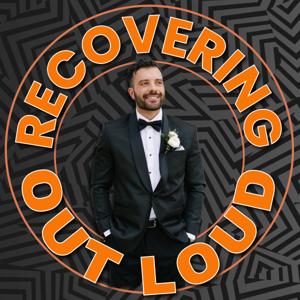


Welcome to Soul School.
Today i sat down with Jessica and Nicole from the Soul School Podcast and we got real deep to uncover, discover and discard old ideas.
You can find them on instagram here : https://www.instagram.com/therealsoulschool/
What if addiction isn’t about alcohol, drugs, or behaviors—but thinking?
In this episode, we break down why money obsession, judgment, anger, and control feel just as compulsive as substances—and why recovery doesn’t work until the programming changes.
We explore:
Why chasing money feels like spiritual starvation
How judgment becomes a socially acceptable drug
Why “more” never fixes the internal problem
What reprogramming actually looks like in daily life
How service, presence, and awareness replace obsession
Replacing drugs and alcohol with self awareness and service to others can change your life one day at a time.
This conversation is raw, uncomfortable, and honest—covering ego, spirituality, resentment, and the illusion of control.
⚠️ Open mind required. Take what helps. Leave the rest.
Cravings don’t mean you’re failing.
They mean your nervous system is activated.
This 10-minute mindfulness meditation for addiction recovery is designed to help you sit with urges without reacting, using principles from Buddhist mindfulness (Anapanasati & insight practice) adapted for modern recovery.
This is not about forcing calm, positive thinking, or “making cravings go away.”
It’s about learning how to stay present long enough for urges to rise, peak, and pass—without acting on them.
• Grounding the body when cravings or emotions spike
• Mindfulness of breathing without control or force
• Observing urges as sensations—not commands
• Creating space between feeling and action
• Strengthening the core recovery skill: non-reactivity
This practice is especially helpful for:
• Cravings and relapse prevention
• Early recovery or emotional sobriety
• Anxiety, restlessness, or racing thoughts
• Moments when willpower feels exhausted
You can use this meditation daily, or as a reset when urges hit.
You’re not weak for having cravings.
You’re learning how to stay.
🎧 Listen with headphones if possible
🪑 Sit or lie down—whatever feels safest
⏸ Pause or stop at any time
If this helped you, consider subscribing or following for more recovery-grounded tools, not hype.
In this guided meditation, you’ll practice:
This episode is a raw, unfiltered conversation about relapse after long-term sobriety, shame, integrity, and why early recovery relationships can quietly derail progress.
Anthony sits down with a Steven W who shares his full arc: early substance use, jail, treatment, sober living, loss of close friends, repeated relapses, and finally what changed after hitting the true “jumping-off point.” Together, they unpack what it’s like to relapse with a head full of recovery, how secrecy erodes sobriety long before the first drink or drug, and why integrity—not willpower—is often the real line between staying sober and going back out.
They explore:
Why relapse often begins weeks or months before the substance
The hidden danger of relationships in early recovery
How shame and guilt isolate people from help
The myth of “I can handle it this time”
Why chemical peace of mind is no longer an option for some
The slow drift away from spiritual fitness that leads back to old patterns
This episode is especially powerful for anyone who has relapsed after significant clean time, is questioning their recovery foundation, or feels stuck between wanting sobriety and wanting comfort. It’s an honest reminder that recovery isn’t about perfection—it’s about alignment, honesty, and staying on the beam one day at a time.
We talk a lot about getting sober — but far less about what happens after the substances are gone.
In this episode, I break down emotional sobriety: what it really means, why so many people struggle emotionally even years into recovery, and how emotional overload often comes before relapse.
This isn’t about being calm all the time or “positive thinking.”
It’s about learning how to feel emotions without being controlled by them.
You’ll hear:
The difference between physical sobriety and emotional sobriety
Why emotional relapse often comes before physical relapse
Common emotional patterns in recovery that don’t get talked about
What emotional sobriety actually looks like in real life
Practical tools to help regulate emotions without numbing or escaping
If you’re sober but still feel overwhelmed, reactive, or emotionally exhausted — this conversation is for you.
Recovery isn’t just about not drinking.
It’s about learning how to live inside your own head and body — safely.
Relapse doesn’t usually happen because someone “stops caring.”
It happens when the mind becomes unsafe — when fear, shame, isolation, and obsession quietly take over.
In this episode, we have an honest, unfiltered conversation about what the final days before recovery really feel like — the desperation, the mental chaos, and the moment when surrender finally becomes possible.
We talk about why coming back to recovery can feel harder than getting sober the first time, how shame compounds after relapse, and why willpower alone is never enough. From spirituality and service to connection, honesty, and daily practice, this episode breaks down what actually helps when your brain is working against you.
This conversation is for:
• Anyone returning to recovery after relapse
• People struggling with shame, fear, or mental obsession
• Those questioning spirituality or a “higher power”
• Anyone who feels disconnected, overwhelmed, or stuck
Recovery isn’t about perfection.
It’s about safety, connection, and learning how to live in the present moment again.
If you’re struggling, you’re not broken — you’re human.
👉 If this episode helps, please like, subscribe, and share it with someone who might need to hear it.
Today i sat down with my good friend Ray.
Relapse doesn’t usually start with picking up a substance.
It starts quietly — with secrecy, self-deception, and the belief that “I’ll handle this on my own.”
In this episode, we have a brutally honest conversation about what relapse actually looks like after time in recovery — when you’re no longer in crisis, no longer desperate, and no longer asking for help.
We talk about being sober for years and still escaping. About how addiction becomes a chemical eject button for discomfort, fear, shame, resentment, money stress, and feeling out of control. About why some of us don’t ask for help — we have to get caught. And why, for many addicts, getting caught can feel like relief.
This conversation goes far beyond substances. We unpack lying “for no reason,” people-pleasing, emotional reactivity, comparison, resentment, food addiction, control, and the everyday behaviors that keep addict thinking alive long after drugs are gone.
We also talk honestly about the difference between alcohol and cocaine addiction, why willpower isn’t what keeps people sober, and what early recovery actually feels like when cravings are loud and honesty feels impossible.
Most importantly, we talk about what recovery looks like today — not the highlight reel, not the inspirational version, but the real work: learning to sit with discomfort, slowing down reactions, and making sure at least one person in the world knows everything.
This episode is for anyone who:
Has relapsed after time sober
Feels like they should be further along
Is sober but still struggling
Or is quietly carrying things they haven’t told anyone yet
If you’ve ever thought, “I don’t know if I have another recovery left in me,” this conversation is for you.
You’re not alone — and you don’t have to carry it by yourself.
Welcome to al the new listeners! I'm so glad you're here. This is my story in a 20 minute episode, I hope you get something out of it. Relapse doesn’t start with drugs — it starts with secrets. In this raw episode, I explain how addiction convinces you you’re fine, productive, and “different this time,” even when your life looks good on the outside.
I break down how steroids, ADHD meds, and stimulant abuse reopened the door to full relapse after years sober — and what I learned coming back.
Today's guest is Logan from New Generation Sobriety. Logan Battled alcoholism and gambling addiction until he went to his first rehab at 17 years old. After getting sober and celebrating some time under his belt, he relapsed on slot machines until he lost it all.
Gambling addiction is one of the most dangerous and misunderstood addictions because it’s invisible. Unlike drugs or alcohol, there are no obvious physical signs — until the financial, emotional, and relational damage is already done.
In this powerful recovery conversation, we break down why gambling addiction is often called a silent killer, how it hides in plain sight, and why so many people don’t realize there’s a problem until it’s too late.
This clip is for anyone struggling with gambling, supporting someone in addiction recovery, or trying to understand why behavioral addictions can be just as destructive as substance use.
Topics covered:
Gambling addiction warning signs
Why gambling is harder to detect than drugs or alcohol
Financial secrecy and addiction
Recovery, awareness, and early intervention
If this resonates, you’re not alone — and help is available.
Today Allen Kharlip, Clinical Supervisor at Addiction Rehab Toronto and good friend, returns to recovering out loud as we open up about current events. In this raw conversation, we unpack how social media becomes a new addiction for people in recovery — triggering comparison, inadequacy, obsessive thinking, and emotional relapse.
If you’ve ever scrolled Instagram and felt worse afterward, you’re not alone. We talk about why inspiration online quickly turns into self-judgment, why comparison is the thief of joy, and how recovery tools like spirituality, connection, discipline, and CBT help us break the cycle.
This episode covers:
– Why scrolling never makes you feel better
– How comparison fuels insecurity + relapse thinking
– The “addict brain” hijacking social media
– What actually restores peace: connection, meetings, service, spirituality
– Setting boundaries around tech in early recovery
– How to stop chasing validation and start living again
Find Allens full story on episode
In today’s episode of Recovering Out Loud, Anthony breaks down one of the biggest challenges in sobriety: the fear of the future. If you struggle with overthinking, catastrophizing, anxiety about relapse, financial insecurity, or the pressure of rebuilding your life — this episode will ground you.
You’ll learn:
• The psychology and neurology behind fear in recovery
• Why uncertainty feels dangerous when you stop drinking or using
• The lies fear tells, and how to counter them with evidence
• How fear shapes behaviour, avoidance, self-sabotage & toxic cycles
• Tools for emotional sobriety: reframing, action steps, CBT, surrender
• How to build a healthy relationship with the future
• Reflection questions you can use today
If this episode resonates, hit Subscribe, leave a rating, and share it with someone who needs it. Recovery makes the future possible — not dangerous.
Keywords:
recovery podcast, fear of the future, sobriety anxiety, emotional sobriety, addiction recovery motivation, relapse prevention, overthinking in recovery, fear in sobriety, CBT for anxiety, early recovery support, how to stay sober, Anthony Recovering Out Loud
From the publisher's feed
1,704 Listeners

21,054 Listeners

12,706 Listeners
2,014 Listeners

111,809 Listeners

2,548 Listeners

69,492 Listeners

46,884 Listeners

108 Listeners

10,711 Listeners

19,061 Listeners
618 Listeners

8,803 Listeners

1,804 Listeners