
Sign up to save your podcasts
Or

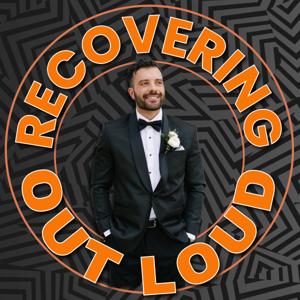


That voice in your head — the one that shows up right before a relapse — isn't random. It's patterned. It's predictable. And once you can name it, it loses most of its power.
In this episode of Recovering Out Loud, Anthony breaks down the 5 lies that addiction tells you — the cognitive distortions that sound completely reasonable in the moment but are quietly setting you up. Whether you're new to sobriety, years into recovery, or currently in active addiction, these thought patterns have likely already shown up in your life.
What you'll hear in this episode:
These patterns are what researchers call cognitive distortions — thinking errors documented in addiction research going back to the work of Aaron Beck and Albert Ellis. Anthony isn't quoting the papers. He's telling you what they sound like at 2 a.m., or on the patio, or in a hotel room alone.
If even one of these landed for you — that's the one to sit with this week. Not to fight it. Just to notice when it shows up. Because naming the lie is most of the work.
Anthony's sobriety date: January 12, 2025 Recovery background: Came into recovery in 2015 got 7.5 years sober, relapsed on ADHD medication, steroids, and secrecy — and came back.
Recovery resources mentioned / related:
Anthony is a person in recovery sharing lived experience. This podcast is not a substitute for professional medical or clinical advice. If you or someone you love is struggling with addiction, please reach out to a qualified professional or call SAMHSA's National Helpline: 1-800-662-4357 (free, confidential, 24/7).
Subscribe to Recovering Out Loud on Spotify, Apple Podcasts, and YouTube. If this episode resonated, share it with one person who needs to hear it.
Patio season hits different when you’re sober.
In this episode, I break down the reality of navigating patios, bars, and summer social environments in recovery — especially when everything looks fun on the outside.
From unexpected triggers walking past patios…
To feeling out of place when everyone else is drinking…
To that quiet voice that tells you you’re missing out…
This is the episode I wish I had before my first sober summer.
I share real experiences, practical strategies, and the mindset shifts that actually help you stay sober — without isolating or feeling like the “boring sober person.”
If you’re heading into your first sober patio season (or still struggling with triggers years in), this will help you stay grounded and enjoy your summer without relapsing.
You’re not missing the drink…
You’re missing who you got to be when you had one.
If this helped you, follow the podcast on Spotify and leave a rating — it helps more people in recovery find this message.
🧩 What You’ll Learn:⚠️ Key Insight:📌 Follow & Support:
Why do people sometimes destroy the very progress they worked so hard to build?
In recovery, something strange often happens. Life begins improving — relationships heal, opportunities return, and stability appears. Yet for many people, this is exactly when self-sabotage begins.
In this episode of Recovering Out Loud, Anthony explores the psychology behind self-sabotage in addiction recovery and personal growth.
We break down why the mind sometimes resists success and why familiar chaos can feel safer than unfamiliar peace.
Topics explored include:
• Why stability can feel uncomfortable after years of chaos
• Identity conflicts when life begins improving
• Fear of success and rising expectations
• Why vulnerability can trigger avoidance
• Shame and feeling undeserving of good things
• Nervous system conditioning after long periods of stress
• How old habit loops quietly pull people back into destructive patterns
Anthony also shares personal experiences from recovery, including how boredom, identity struggles, and fear can subtly lead someone back toward relapse.
If you've ever wondered why people sabotage their own progress — or if you’ve felt it happening in your own life — this episode will help you understand the deeper psychological patterns behind it.
Recovery isn’t just about stopping substances.
It’s about learning how to live in peace when chaos used to feel normal.
If this episode resonates with you, follow the podcast and share it with someone who might need to hear it.
Today I sat down with my good friend Kaitlin B.
Getting sober is one thing. Learning how to live with your feelings is another. In this episode, we get into emotional sobriety, codependency, boundaries, dating, self-worth, and why being alone can feel so uncomfortable in recovery. This is a real conversation about healing the patterns underneath addiction.
What happens after you stop drinking or using, but still feel emotionally chaotic, overly responsible for everyone, and uncomfortable being alone?
In this episode, we talk about emotional sobriety, codependency, boundaries, relationship patterns, self-worth, and the deeper healing that has to happen after substance use stops. We get into people-pleasing, over-giving, fear of being alone, unhealthy dating patterns, burnout, service in recovery, and how old wounds can keep showing up even with years sober.
This conversation also explores the difference between being sober and being emotionally well, why solitude can feel so threatening, how trauma can shape intimacy and attachment, and what it looks like to start choosing healing over validation.
If you’ve ever felt like you’re doing all the “right” things in recovery but still don’t feel peaceful inside, this one is for you.
Is Isolation worse for you than drinking? Lets talk about it
There’s a stage in recovery that doesn’t get talked about enough.
It’s not the chaos of addiction.
It’s not withdrawal.
It’s the quiet phase where you start pulling away from people…
ignoring calls, canceling plans, and convincing yourself you’re better off alone.
In this episode, I break down isolation in recovery — why it happens, what it actually means, and when it becomes dangerous.
We talk about:
If you’ve been feeling stuck, disconnected, or like you just want to be left alone… this episode is for you.
Recovery isn’t just about quitting substances — it’s about building a life you don’t want to escape from.
If this helped you, follow the podcast and share it with someone who might need it.
When people picture addiction, they often imagine someone who has lost everything.
But that’s not always the reality.
Some people lose jobs, relationships, and housing because of addiction. Others maintain careers, families, reputations, and outward success while silently struggling.
From the outside, everything appears stable.
But internally, the situation can be very different.
In this episode of Recovering Out Loud, Anthony explores the concept of high-functioning addiction and why it can be so difficult to recognize.
Although the term “high-functioning addict” is often used in everyday conversation, it is not an official diagnostic category in clinical manuals such as the DSM-5.
Still, the phenomenon is widely observed.
This episode explores:
• Why some addictions remain hidden
• Psychological denial mechanisms
• Social masking and living a double life
• Cultural environments that normalize substance use
• The internal consequences people experience even when life appears stable
Anthony also shares personal experience with addiction and the exhausting reality of maintaining a double life while trying to appear normal to the outside world.
Because addiction doesn’t always look the way people expect.
Sometimes the people who seem the most stable on the outside are the ones struggling the most internally.
Recognizing these patterns earlier may help people identify addiction in themselves or others before the consequences become severe.
00:00 High functioning addicts explained
00:21 What is a functional alcoholic or addict?
00:43 Why high functioning addiction is hard to recognize
01:04 The “duck on water” analogy
01:12 What people mean by high functioning
02:06 Personal experience with hidden addiction
02:42 Denial mechanisms in addiction
04:01 Social masking and the double life
05:03 Hiding substance use
05:48 Environments that normalize heavy drinking
06:16 Internal consequences of addiction
07:06 Escalation and tolerance
08:16 Why others don’t recognize the problem
08:50 When the double life starts falling apart
09:50 Addiction doesn’t always look the way people expect
10:26 Why “functional addict” is a dangerous label
11:17 Addiction is about your relationship to substances
12:12 Only you can diagnose yourself
12:34 Closing thoughts and recovery message
Why can some people drink or use drugs casually… while others lose control the moment they start?
For decades people believed addiction was simply about willpower, discipline, or bad choices. But modern research suggests the reality is far more complex.
In this episode of Recovering Out Loud, Anthony breaks down the real factors that influence addiction risk.
Addiction rarely has a single cause. Instead, it often develops through a combination of biology, psychology, environment, and learned behavior.
We explore how genetics, brain chemistry, trauma, emotional coping, and environmental exposure can all interact to increase vulnerability to addiction.
Anthony also shares personal experience with relapse and recovery, explaining how addiction can remove the ability to simply “stop” once substance use begins.
If you’ve ever wondered:
• Why addiction runs in families
• Why some people feel stronger effects from drugs or alcohol
• Why trauma and emotional pain often lead to substance use
• Why certain environments increase addiction risk
• Why recovery requires more than just willpower
This episode breaks down the science and lived experience behind addiction.
Understanding these factors can help reduce stigma and create more compassionate, effective approaches to recovery.
Because addiction is rarely just about fun, weakness, or bad decisions — it’s often about pain, reinforcement, and vulnerability.
And understanding that can change how we think about recovery.
In this episode of Recovering Out Loud, Anthony opens up about what it really means to get current in recovery. He talks about the danger of pretending everything is fine, the pressure to look strong on the outside, and how secrets, isolation, fear, comparison, and financial stress can quietly pull someone away from the solution.
Anthony shares how meditation, honesty, prayer, service, fellowship, and integrity have helped him stay grounded through a tough season. He also reflects on learning to accept life on life’s terms, let go of control, and stop performing recovery for other people.
This episode is for anyone in sobriety who feels like they’re struggling internally while trying to look okay externally. If you’ve been holding things in, isolating, comparing yourself, or feeling spiritually off-center, this conversation is a reminder that recovery starts with honesty.
Topics covered:
From the publisher's feed
1,704 Listeners

21,054 Listeners

12,706 Listeners
2,014 Listeners

111,809 Listeners

2,548 Listeners

69,492 Listeners

46,884 Listeners

108 Listeners

10,711 Listeners

19,061 Listeners

618 Listeners

8,803 Listeners

1,804 Listeners