
Sign up to save your podcasts
Or

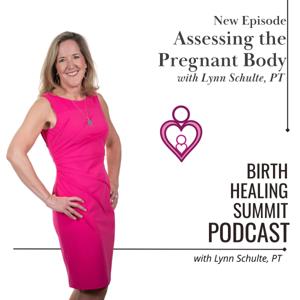

In this episode, Lynn breaks down why the pelvic outlet – not just the sacroiliac joint – may be a key contributor to postpartum pain, heaviness, and persistent pelvic floor tension. She explores the biomechanics of birth, how the inlet and outlet function as a reciprocal system, and why most traditional treatment approaches only address the top half of the pelvis. She shares clinical examples of pregnant and postpartum clients whose pain, tailbone tension, and pelvic heaviness resolved quickly once the ischial tuberosities and sacrum were mobilized and brought back toward midline. She also shares emerging research on sacral slope changes with parity and why sacral flexion often remains long after delivery – even decades later.
Episode Highlights ✨
If we want faster recoveries and truly resolved postpartum symptoms – we have to start treating the pelvic outlet.
Have a comment or question about today’s episode? Message Lynn on Instagram or Facebook, or Email Lynn.
If you enjoyed today’s podcast and are interested in more topics to support your clinical practice and treating your clients, find us on your favorite podcast app and subscribe so you don’t miss an episode.
To learn more visit: InstituteforBirthHealing.com
YouTube:
To learn more about the Mommy Monitor visit: https://operationmist.org/
Message me on Instagram: https://www.instagram.com/instituteforbirthhealing/
Message me on Facebook: https://www.facebook.com/InstituteForBirthHealing/
Email Me: [email protected]
If you enjoyed today’s podcast and are interested in more topics to support your clinical practice and treating your clients, find us on your favorite podcast app and subscribe so you don’t miss an episode.
Visit Institute for Birth Healing to learn more about how to care for the pregnant and postpartum body: CLICK HERE
 View all episodes
 By Lynn Schulte, PT
5
88 ratings
In this episode, Lynn breaks down why the pelvic outlet – not just the sacroiliac joint – may be a key contributor to postpartum pain, heaviness, and persistent pelvic floor tension. She explores the biomechanics of birth, how the inlet and outlet function as a reciprocal system, and why most traditional treatment approaches only address the top half of the pelvis. She shares clinical examples of pregnant and postpartum clients whose pain, tailbone tension, and pelvic heaviness resolved quickly once the ischial tuberosities and sacrum were mobilized and brought back toward midline. She also shares emerging research on sacral slope changes with parity and why sacral flexion often remains long after delivery – even decades later.
Episode Highlights ✨
If we want faster recoveries and truly resolved postpartum symptoms – we have to start treating the pelvic outlet.
Have a comment or question about today’s episode? Message Lynn on Instagram or Facebook, or Email Lynn.
If you enjoyed today’s podcast and are interested in more topics to support your clinical practice and treating your clients, find us on your favorite podcast app and subscribe so you don’t miss an episode.
To learn more visit: InstituteforBirthHealing.com
YouTube:
To learn more about the Mommy Monitor visit: https://operationmist.org/
Message me on Instagram: https://www.instagram.com/instituteforbirthhealing/
Message me on Facebook: https://www.facebook.com/InstituteForBirthHealing/
Email Me: [email protected]
If you enjoyed today’s podcast and are interested in more topics to support your clinical practice and treating your clients, find us on your favorite podcast app and subscribe so you don’t miss an episode.
Visit Institute for Birth Healing to learn more about how to care for the pregnant and postpartum body: CLICK HERE

11,904 Listeners

2,346 Listeners
119 Listeners
1,038 Listeners

1,146 Listeners
183 Listeners

14,719 Listeners

29,272 Listeners
663 Listeners
4,524 Listeners

41,512 Listeners

20,222 Listeners

30 Listeners

70 Listeners
30 Listeners