
Sign up to save your podcasts
Or

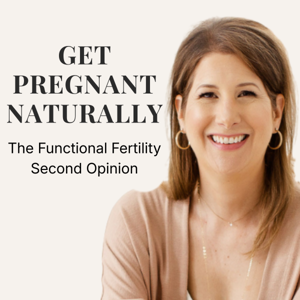

"Poor egg quality" is not a diagnosis. It's where clinics stop looking.
If you've been told you have poor egg quality after failed IVF, low AMH, embryo arrest, or recurrent pregnancy loss, this episode will change how you understand that label and what to do next.
Here's the truth most women are never told: poor egg quality is not directly measured. It's a conclusion clinics infer based on age, embryo grading, or how your ovaries responded to stimulation. When IVF fails, that label often becomes the end of the conversation instead of the beginning of a deeper investigation.
In this episode, I break down the five physiological patterns we see repeatedly in women with low AMH, failed IVF, embryo arrest, and pregnancy loss and why correcting these patterns can lead to pregnancy even when AMH does not change.
In this episode, you'll learn:Why "poor egg quality" is a label, not a test result and what clinics are actually inferring
How gut and vaginal microbiome stress drive inflammation and impair nutrient absorption critical for egg development
Why mineral depletion disrupts mitochondrial energy, hormone signaling, and cellular communication in the ovary
How blood sugar instability and circadian disruption interfere with ovulation and progesterone
Why nervous system overload and HPA-axis patterns affect immune balance, implantation, and early embryo development
I'm Sarah Clark, founder of Fab Fertile and host of Get Pregnant Naturally. For over a decade, my team and I have reviewed hundreds of failed IVF cases and helped couples improve pregnancy outcomes naturally and alongside IVF. We specialize in low AMH, high FSH, diminished ovarian reserve, premature ovarian insufficiency, and recurrent pregnancy loss using functional testing and personalized fertility strategies.
This episode is for you if:You were told you have poor egg quality with no clear explanation why
IVF failed, embryos stopped growing, or all embryos tested were abnormal
You don't want another medication tweak or repeated protocol, you want answers
👉 Start with a Functional Fertility Second Opinion If you want an expert review of your labs, IVF history, and full health picture to identify patterns being missed, this is the first step before another cycle.
Learn more and apply here.
---
Timestamps *]:pointer-events-auto scroll-mt-[calc(var(--header-height)+min(200px,max(70px,20svh)))]" dir="auto" tabindex="-1" data-turn-id= "request-WEB:3cfacf52-f02a-46a1-a05a-812e2ca69b36-49" data-testid= "conversation-turn-38" data-scroll-anchor="true" data-turn= "assistant">00:00 – Poor egg quality is not a diagnosis Why egg quality is assumed, not measured, and what clinics actually use as proxies like age, embryo grading, and IVF response.
01:10 – What clinics are not evaluating when egg quality is blamed Inflammation, mineral status, immune balance, nervous system regulation, and metabolic health are rarely assessed.
02:15 – Stress physiology, low AMH, and hormone signaling How chronic stress, adrenal function, and thyroid signaling influence AMH, FSH, and follicle development.
03:20 – Gut and microbiome health and egg development Why gut inflammation, infections, and poor nutrient absorption can directly affect ovarian environment and outcomes.
04:55 – Food sensitivities, immune activation, and fertility How immune reactions and chronic inflammation can disrupt egg maturation and implantation.
06:10 – Mineral depletion and egg energy production The role of iron, magnesium, zinc, and other minerals in mitochondrial function and hormone synthesis.
07:25 – Blood sugar instability and ovulation health Why glucose swings, night waking, and metabolic stress impact egg development even in normal-weight individuals.
08:20 – Mitochondrial function and the 90-day egg development window Why egg development takes time and how energy production affects egg competence.
09:10 – Nervous system dysregulation and fertility outcomes How anxiety, trauma, perfectionism, and chronic vigilance signal the body that it is not safe for reproduction.
10:40 – Why pregnancy can happen with low AMH How improving the internal environment can lead to pregnancy even when AMH stays low or unchanged.
 View all episodes
 By Sarah Clark

4.6
103103 ratings
"Poor egg quality" is not a diagnosis. It's where clinics stop looking.
If you've been told you have poor egg quality after failed IVF, low AMH, embryo arrest, or recurrent pregnancy loss, this episode will change how you understand that label and what to do next.
Here's the truth most women are never told: poor egg quality is not directly measured. It's a conclusion clinics infer based on age, embryo grading, or how your ovaries responded to stimulation. When IVF fails, that label often becomes the end of the conversation instead of the beginning of a deeper investigation.
In this episode, I break down the five physiological patterns we see repeatedly in women with low AMH, failed IVF, embryo arrest, and pregnancy loss and why correcting these patterns can lead to pregnancy even when AMH does not change.
In this episode, you'll learn:Why "poor egg quality" is a label, not a test result and what clinics are actually inferring
How gut and vaginal microbiome stress drive inflammation and impair nutrient absorption critical for egg development
Why mineral depletion disrupts mitochondrial energy, hormone signaling, and cellular communication in the ovary
How blood sugar instability and circadian disruption interfere with ovulation and progesterone
Why nervous system overload and HPA-axis patterns affect immune balance, implantation, and early embryo development
I'm Sarah Clark, founder of Fab Fertile and host of Get Pregnant Naturally. For over a decade, my team and I have reviewed hundreds of failed IVF cases and helped couples improve pregnancy outcomes naturally and alongside IVF. We specialize in low AMH, high FSH, diminished ovarian reserve, premature ovarian insufficiency, and recurrent pregnancy loss using functional testing and personalized fertility strategies.
This episode is for you if:You were told you have poor egg quality with no clear explanation why
IVF failed, embryos stopped growing, or all embryos tested were abnormal
You don't want another medication tweak or repeated protocol, you want answers
👉 Start with a Functional Fertility Second Opinion If you want an expert review of your labs, IVF history, and full health picture to identify patterns being missed, this is the first step before another cycle.
Learn more and apply here.
---
Timestamps *]:pointer-events-auto scroll-mt-[calc(var(--header-height)+min(200px,max(70px,20svh)))]" dir="auto" tabindex="-1" data-turn-id= "request-WEB:3cfacf52-f02a-46a1-a05a-812e2ca69b36-49" data-testid= "conversation-turn-38" data-scroll-anchor="true" data-turn= "assistant">00:00 – Poor egg quality is not a diagnosis Why egg quality is assumed, not measured, and what clinics actually use as proxies like age, embryo grading, and IVF response.
01:10 – What clinics are not evaluating when egg quality is blamed Inflammation, mineral status, immune balance, nervous system regulation, and metabolic health are rarely assessed.
02:15 – Stress physiology, low AMH, and hormone signaling How chronic stress, adrenal function, and thyroid signaling influence AMH, FSH, and follicle development.
03:20 – Gut and microbiome health and egg development Why gut inflammation, infections, and poor nutrient absorption can directly affect ovarian environment and outcomes.
04:55 – Food sensitivities, immune activation, and fertility How immune reactions and chronic inflammation can disrupt egg maturation and implantation.
06:10 – Mineral depletion and egg energy production The role of iron, magnesium, zinc, and other minerals in mitochondrial function and hormone synthesis.
07:25 – Blood sugar instability and ovulation health Why glucose swings, night waking, and metabolic stress impact egg development even in normal-weight individuals.
08:20 – Mitochondrial function and the 90-day egg development window Why egg development takes time and how energy production affects egg competence.
09:10 – Nervous system dysregulation and fertility outcomes How anxiety, trauma, perfectionism, and chronic vigilance signal the body that it is not safe for reproduction.
10:40 – Why pregnancy can happen with low AMH How improving the internal environment can lead to pregnancy even when AMH stays low or unchanged.

796 Listeners

1,366 Listeners

2,346 Listeners

14,964 Listeners

245 Listeners
1,108 Listeners

677 Listeners
289 Listeners

14,719 Listeners

1,561 Listeners
93 Listeners

175 Listeners

1,412 Listeners

45 Listeners

143 Listeners