
Sign up to save your podcasts
Or



What happens when you're doing everything you think you should be doing to support your health, but you're still not feeling your best?
In this short, solo episode, I'm sharing a personal health discovery from my fourth pregnancy in five years. Although this pregnancy has felt relatively easy overall, I've needed significantly more nutritional support than I initially realized. After struggling to pinpoint the cause of some persistent symptoms, an unexpected trip out of town helped me connect the dots: I wasn't eating enough.
I share what I noticed about my blood sugar, why my symptoms seemed to improve when I was eating more, and how I'm adjusting my nutrition to better support my body without abandoning my values around nutrient-dense foods. From being more generous with fats and incorporating convenient, processed foods to rethinking how I distribute my meals throughout the day, I'm learning that sometimes the answer isn't another supplement, another test, or a more complicated protocol.
This experience is also a reminder that our nutritional needs can change throughout pregnancy, postpartum, breastfeeding, and other seasons of life. What works for one person—or even for you in a previous season—may not be enough for you now.
If you're navigating persistent symptoms, struggling to eat enough, or feeling overwhelmed by the pressure to make every food choice perfectly, this episode is an invitation to look at the bigger picture. Because sometimes, the missing piece isn't doing more. It's recognizing what your body needs more of.
In this episode, we're talking about pregnancy nutrition, reactive hypoglycemia, under-eating, blood sugar regulation, and the importance of adjusting your approach as your body changes.
Click HERE to access the show notes and get direct links to any of the resources I mentioned in this episode.
A recent conversation with one of my clients got me thinking about the way we talk about sugar, added sugar, processed foods, and making “healthy” food choices — especially as moms trying to navigate an endless stream of nutrition information.
In this solo episode, I’m recapping some of the takeaways from that conversation and sharing how I think through food choices in real life. We talk about something as simple as coconut yogurt with added sugar and how worrying about whether a food is “healthy enough” can sometimes lead us to skip eating altogether. I share why I wouldn’t bat an eyelash at that added sugar in the context of the entire snack, and why I think there’s a bigger nutrition lesson hiding underneath that decision.
I’m also sharing some of the food choices I personally make that don't always fit neatly into the “perfectly healthy” box you see on social media — including how I approach sugar-free products, whole foods, processed foods, dairy, food dyes, convenience, and feeding my family.
My goal isn’t to give you another list of foods you should or shouldn’t eat. It’s to help you think more critically about the entire picture — including nutrition, time, accessibility, mental load, consistency, and what your body needs right now — so you can make food decisions with confidence instead of fear.
Click HERE to access the show notes and get direct links to any of the resources I mentioned in this episode.
Have you ever been told your labs are “normal,” yet you still feel exhausted, foggy, overwhelmed, or like something is just not right? If you’ve been struggling with persistent symptoms despite “normal” bloodwork, this episode is for you.
In this episode, Brooke breaks down 5 reasons your lab results can come back normal even when you feel like garbage. She explains the difference between a standard disease reference range and what may be considered a more functional or optimal range, and why a “normal” result doesn’t always tell the whole story. From not being considered “sick enough” to having the wrong labs ordered, overly broad reference ranges, or simply looking at bloodwork without considering the bigger picture, there are several reasons your results may not be giving you the answers you’re looking for.
Brooke also discusses why comprehensive lab testing and looking at your symptoms as a whole can be important when you're trying to understand persistent health issues—particularly when it comes to thyroid health, Hashimoto’s, hormones, nutrient status, and other root-cause concerns. If you’ve been dismissed because your labs are “fine,” this conversation will help you understand what questions you may want to ask next and why continuing to advocate for answers matters.
Click HERE to access the show notes for this episode and get direct links to any of the resources mentioned.
From "I'm not ready" to "I'm so glad I did it": What if you’re not actually waiting for the right time to prioritize your health, you’re waiting to feel ready?
In this week’s episode, Brooke shares a full-circle reflection from a current client who is preparing to finish her time inside the program. Just 6–7 months ago, she told Brooke she wasn’t ready and that the timing wasn’t right. Today, she feels dramatically different in her body, the people around her are noticing the changes, and she’s looking back with gratitude that she chose to take action instead of continuing to wait.
Brooke breaks down the simple mindset shift behind that transformation: realizing that “being ready” is a decision, not an arbitrary milestone you have to reach before you’re allowed to prioritize your health. From the what ifs that keep us stuck to the practical process of creating a sustainable routine around a busy life, this conversation is a reminder that your health doesn’t have to wait until everything else falls into place. Sometimes, the biggest barrier isn’t your schedule, it’s the story you’re telling yourself about why now isn’t the right time.
Click HERE to access the show notes for this episode, including direct links to any of the resources mentioned and the link to book a complimentary discovery call.
What if the reason your healing journey feels so exhausting, expensive, and complicated is because you’ve been taught to believe that healing has to be complicated?In this solo episode, Brooke shares a simple mindset shift that can completely change the way you approach root cause healing—especially if you’ve spent years bouncing between practitioners, trying supplements, chasing symptoms, or wondering why nothing seems to be working. She breaks down the important difference between simple, easy, and lazy, and explains why a simple first step doesn’t mean your practitioner isn’t doing enough.Brooke also shares a real client example of a 46-year-old mom with Hashimoto’s who came into her program wanting to understand the root cause of her symptoms and feel like herself again. Her first recommendations were surprisingly simple: introduce two foods and increase her overall food intake. It felt almost too simple—but that was intentional. Healing is often a layered process, and the first steps may not look as impressive as you expect. Brooke explains why foundational changes need to come before more complex interventions, why 60–65% of her clients with significant diagnoses are unintentionally under-eating, and why trusting the process can be one of the hardest—and most important—parts of healing.
Click HERE to access the show notes for this episode and get direct links to any of the resources or other podcast episodes I mentioned in this show.
What if the key to understanding your hormones, metabolism, immune system, and overall health isn’t found by looking at each symptom separately—but by looking upstream?
In this episode of The Well Nourished Mama Podcast, Brooke sits down with Deborah to explore the powerful role of the hypothalamus and why this small but mighty area of the brain may be an important piece of the puzzle when it comes to hormone imbalances, autoimmune conditions, reproductive health, metabolism, and chronic symptoms. Together, they discuss why a root-cause approach requires looking beyond individual symptoms and understanding how the body’s systems communicate and work together.
From chronic stress and gut health to sleep, nutrition, mindset, and targeted support, this conversation explores what can happen when we shift from simply managing symptoms to supporting the systems that influence the body as a whole. If you’ve been dealing with complex health concerns, hormonal symptoms, or feel like you’re constantly chasing one issue after another, this episode will give you a new perspective on where to start.
Click HERE to access the show notes for this episode and learn more about Deborah, including where you can connect with her, find out more about Genesis Gold, and get your free Hypothalamus Reset Bundle
Could the changes you’re seeing in your body be more than a matter of diet, exercise, or weight? In this episode of The Well Nourished Mama Podcast, I sit down with my dad, Dr. R. Daniel Haggerty, a surgeon who specializes in lipedema, to break down what lipedema is, who it affects, how it develops, and why so many women go years without an accurate diagnosis. Together, we discuss the physical and emotional impact of lipedema, common symptoms and characteristics, and why hormonal changes — including pregnancy and postpartum — can play an important role in its onset or progression. We also explore what happens after a lipedema evaluation, the medical and surgical treatment options available, why early intervention matters, and how to find a provider who understands this condition. If you’ve experienced disproportionate swelling or heaviness in your legs, easy bruising, or changes in your lower body that don’t seem to respond to traditional diet and exercise approaches, this conversation may give you important questions to bring to your healthcare provider.
Click HERE to access the show notes for this episode and learn more about Lipedema, and even how you can schedule a consult with Dr. R Daniel Hagerty
What if the way we’ve been taught to think about Hashimoto’s is missing a much bigger piece of the puzzle?
In this solo episode of The Well Nourished Mama Podcast, I’m challenging some of the long-standing beliefs surrounding Hashimoto’s, thyroid health, and autoimmune disease in women. This isn’t about bashing doctors or dismissing conventional medicine—it’s about opening the conversation and encouraging you to ask better questions about your health, especially when your symptoms, lab results, or experience don’t seem to fit the standard narrative.
I break down 7 common Hashimoto’s myths — from the idea of whether Hashimoto’s is truly a thyroid problem, whether it’s genetic and what thyroid antibodies can actually tell us to why “normal” labs don’t necessarily tell the whole story, whether you really need a long list of supplements to manage autoimmune thyroid disease, and if you can actually improve your health while pregnant or breastfeeding.
If you’ve been diagnosed with Hashimoto’s, are experiencing thyroid symptoms, are postpartum, recently pregnant, breastfeeding, or simply feel like there has to be more to your health, this conversation will give you new questions to consider—and may challenge some of what you’ve been told about your diagnosis.
Click HERE to access the show notes for this episode and get direct links to any of the resources or other podcast episodes I mentioned in this show.
Should toddlers really be helping with housework? Can babies actually learn responsibility? And is it worth the extra time and mess?
In this honest, behind-the-scenes solo episode of The Well Nourished Mama Podcast, I’m sharing the conversations that inspired this topic after receiving messages on Instagram about how my young children help around the house. Rather than focusing on chores as a checklist, I explain the deeper purpose behind involving children in everyday household responsibilities and why it's become such an important part of my family's culture. You'll hear practical examples of how each of my children—from just over one year old to nearly five years old—participates in age-appropriate tasks, along with the mindset shifts that have helped me prioritize teamwork, cooperation, independence, and life skills over perfection. I also share how involving my children in daily routines has created more intentional family rhythms while freeing up more time to rest, work, and be present after bedtime. Whether you're wondering when to start chores, how to involve toddlers without creating more work, or simply want to raise children who contribute confidently at home, this episode offers encouragement and practical ideas you can adapt to fit your own family.
Click HERE to access the show notes for this episode and get direct links to any of the resources or other podcast episodes I mentioned in this show.
For decades, we've been told to fear salt. But what if one of the most important nutrients for women's health has been misunderstood? In this solo episode of The Well Nourished Mama Podcast, I dive into the science behind sodium and explain why it's become one of the foundational recommendations I include in nearly every client protocol. From fertility and pregnancy to postpartum recovery, breastfeeding, and thyroid health, sodium plays a far greater role than most women realize. You'll also hear me debunk three of the most common myths surrounding salt — including its relationship with heart disease, pregnancy complications like hypertension and preeclampsia, and whether babies should be exposed to sodium. Rather than relying on outdated nutrition advice, this episode explores the importance of mineral balance, electrolyte function, and why context matters when it comes to your health. If you've been avoiding salt because you thought it was unhealthy, this episode may completely change the way you think about one of the body's most essential minerals.
Click HERE to access the show notes for this episode and get direct links to any of the resources or other podcast episodes I mentioned in this show.
From the publisher's feed
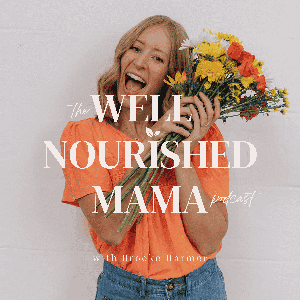
Hey mama, my name is Brooke and just like you, I want to show up for my kids in the best way possible. But you and I both know that that means our cup needs to be filled first. Here on The Well…

2,315 Listeners

1,813 Listeners
2,213 Listeners

4,090 Listeners
1,403 Listeners
556 Listeners

2,020 Listeners

14,743 Listeners

1,478 Listeners
2,245 Listeners
663 Listeners

1,252 Listeners

1,406 Listeners

210 Listeners

1,240 Listeners