
Sign up to save your podcasts
Or

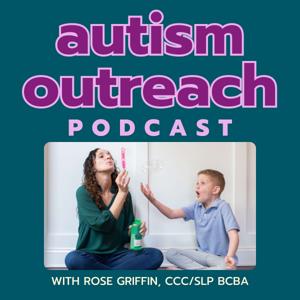


Functional Communication Training can change everything when behavior is really communication and we take the time to listen.
In this reprise episode, I’m revisiting one of our most popular conversations of the year, all about Functional Communication Training and how to get started in a way that is practical, ethical, and truly supportive for students. I hear so many questions about what to do when students are struggling to express their needs and emotions and how to move beyond problem behavior into meaningful communication. This conversation with Dr. Bethjoy Houck gives you a clear, research-based way forward.
We walk through what Functional Communication Training actually is, why it is different from simple mand training, and why identifying the true function of behavior through assessment is essential before jumping into intervention. We also break down how to thoughtfully select functional communication responses so they are easy to prompt, meaningful to the learner, and sustainable across environments. Whether you are a speech-language pathologist, BCBA, RBT, or parent, this episode is filled with real-world examples that bring the research to life and help you apply FCT with confidence and compassion.
#autism #speechtherapy
What’s Inside:
Mentioned In This Episode:
A Practitioner’s Guide for Selecting Functional Communication Responses
Join the aba speech connection
ABA Speech: Home
Strength training and structured fitness can transform quality of life for autistic and neurodivergent individuals. Eric Chessen began developing meaningful fitness programs after realizing there was almost no guidance on how to safely and effectively support this population. His work focuses on bridging the gap between exercise science and positive behavior support so individuals of all ability levels can build strength, confidence, and long-term independence.
We discuss why traditional motivations for fitness (like aesthetics or sports performance) often don’t apply to neurodivergent athletes and how professionals can create programs that prioritize functional movement, daily living skills, and proactive behavior support. Eric explains why “stronger is safer,” how resistance training supports fall prevention and mobility, and why distinguishing structured exercise from loosely defined movement is essential. He also highlights collaboration opportunities with SLPs, OTs, BCBAs, and parents, sharing how fitness can be integrated into therapy sessions in consistent, scalable ways.
For clinicians, educators, and families wanting to bring structured, neuroaffirming fitness into their work, Eric offers Autism Fitness certifications worldwide, along with site-based programming and individualized athlete coaching. For more information, check out his website below.
#autism #speechtherapy
What’s Inside:
Mentioned In This Episode:
Autism Fitness Website
Join the aba speech connection
ABA Speech: Home
“We can’t sleep for them, but we can support and set the stage for healthy sleep”. Guest Nicole Shallow, M.Ed., BCBA joins the show to talk about supporting sleep through a compassionate, neuroaffirming, science-based lens. Nicole works with families whose autistic children struggle with falling asleep, bedtime resistance, night waking, or inconsistent sleep schedules—helping parents understand where to begin when exhaustion and overwhelm have taken over.
We discuss what makes someone a good candidate for sleep coaching and how behavior analysts can look beyond behavior alone by considering factors like diet, medical needs, and overall wellness. Nicole walks us through how she supports families with clear start dates, meaningful data collection, and recommendations tailored to each child’s unique sleep profile.
Nicole also shares five core sleep support tips that families and clinicians can start using right away:
For BCBAs interested in becoming more confident in sleep support, Nicole offers a Sleep Certification Program every February and September. More information can be found at her website.
#autism #speechtherapy
What’s Inside:
Mentioned In This Episode:
Nicole Shallow., M.Ed., BCBA - LinkedIn
Your Behaviour Gal
Sleep Expert & Behavior Analyst - Nicole Shallow, M.Ed on Instagram
Join the aba speech connection
ABA Speech: Home
Emily Kearney, BCBA, who has been working in the field since 1999, joins the show to dive into a topic we haven’t explored in depth before: matching as a skill. Though it may seem simple, matching is foundational for learners of all ages. This critical skill supports language, play, leisure, problem solving, and actions across the lifespan.
We discuss how matching isn’t always identical—it can be based on features, categories, or associations—and how it develops from early learning readiness into more complex skills for older learners. Emily highlights teaching strategies like multiple exemplar training and ensuring stimulus control by using the variety of cues learners encounter in real-world settings. For example, a “cup” can vary in material, size, color, shape, or function, but learning to recognize it in all its forms builds observation skills, problem-solving, and perseverance.
For older learners, we explore adding a language component, asking questions like “how do you know it’s a match?” to encourage reasoning and verbalization. Matching isn’t just a simple game; it's a prerequisite for broader communication, life, and learning.
For questions or mentorship opportunities, reach out to Emily at [email protected].
#autism #speechtherapy
What’s Inside:
Mentioned In This Episode:
Join the aba speech connection
ABA Speech: Home
In this solo minisode, I’m diving into five of the questions I hear most often—covering selective mutism, collaboration, AAC, core words, and the path to dual certification. These are the topics that come up again and again in our field, and today I’m offering practical guidance, real examples, and links to deeper learning.
Don’t forget to check out ABA Speech for all of your CEU needs—link below!
What’s Inside:
Mentioned In This Episode:
Episode #068: Annie DiVello – Supporting Students With Selective Mutism
Episode #121: Core Vocabulary and Typical Language Development with Allison Bean and Bethany Frick Semmler
Join the aba speech connection
ABA Speech: Home
Guest Meghan Edwards, a Board Certified Behavior Analyst (BCBA) and School-Based Behavior Specialist, joins the show to share her journey from providing in-home services to becoming a public school BCBA. With over a decade of experience, Meghan helps schools build proactive systems for behavior and staff support—bridging the gap between behavior analysis and the real-world classroom.
We talk about what it means to be a school-based BCBA, including the top three things to consider when transitioning to a school role. From navigating the noise and unpredictability of the school day to collaborating closely with teachers and administrators, Meghan emphasizes the importance of relationships and rapport in making an impact. She shares how her weekly newsletters, staff shoutouts, and open communication help her connect across teams.
Meghan also discusses how her Instagram community, @school_based_bcba, evolved into The Behavior Lounge, a mentorship hub for school-based BCBAs. Plus, she highlights her passion project, The Paraprofessional Training Manual, created to empower the staff members who support high-needs students but often receive the least training.
Be on the lookout for a CEU with Meghan coming to ABA Speech Connection in Fall 2026!
#autism #speechtherapy
What’s Inside:
Mentioned In This Episode:
School Based BCBA
Meghan Edwards BCBA Mentor and Behavior Support for Schools
Join the ABA Speech Connection
ABA Speech: Home
Guest Marie Martinez, a dual-certified SLP/BCBA, joins the show to share her passion for empowering parents and supporting communication in everyday moments. She’s the author of Path for Words: Five-Minute Language Learning Activities for Children Ages 1–3 Years, a book that helps families turn daily routines into powerful language opportunities.
Marie talks about identifying the small moments that matter most—because communication doesn’t just happen at the table with flashcards, it happens all day long. She also offers great advice for anyone passionate about their work (and maybe thinking about writing a book!): if you see a need, fill it. Her work helps parents feel less overwhelmed and more empowered to help their children thrive in their communication journey.
#autism #speechtherapy
What’s Inside:
Mentioned In This Episode:
Path For Words (@pathforwords) on Instagram
Marie Martinez on LinkedIn
Join the aba speech connection
ABA Speech: Home
Leah and Dr. Shelly, both occupational therapists who have either earned or are working toward dual certification as BCBAs, join me to talk about the power and challenges of blending these two worlds. Believe it or not, there aren’t even statistics on how many dual-certified professionals are out there—but the impact of this crossover is clear. Their work centers on collaboration with families and other professionals, finding common ground between OT and ABA.
We talk about the funding and system barriers that can make integration tough, and how learning to understand each other’s “jargon” helps break those walls down. As Dr. Shelly says, OTs and BCBAs are often working toward the same goals—they just use different words. Sometimes, you have to “massage the message” so everyone can connect and understand.
Dr. Shelly also shares insight into the business and insurance side of implementation, while Leah highlights the importance of spreading the word about the tools ABA offers. Their message is simple: put the egos aside, keep listening, and stay open to learning from each other.
#autism #speechtherapy
What’s Inside:
Mentioned In This Episode:
Is This My Child?: Sensory Integration Simplified
Circle Care Services
The Autism Roundtable Podcast - Circle Care Services
My BCBA Life Podcast - Circle Care Services
Join the ABA Speech Connection
ABA Speech: Home
Luba Patlakh, founder and director of Kidology, Inc., shares her journey of creating a thriving pediatric practice that offers speech, occupational, physical, and ABA therapy. Four years ago, she expanded her clinic to include ABA services, recognizing that behavior is the “glue” connecting all other disciplines and a crucial way to continue supporting clients as they age out of early intervention.
Luba walks us through the process of credentialing, applying, and setting up systems to accept insurance in her home state of Pennsylvania. She reflects on how she initially managed every aspect of the business herself before scaling to include an admin team and other essential roles. Through mentorship and a commitment to learning, she gained valuable insight into business metrics, leadership, and fiscal responsibility—key elements of running a sustainable practice.
Her advice for providers looking to expand into ABA? Never give up. Understand your state’s requirements, take your plan seriously, and learn before acting.
#autism #speechtherapy
What’s Inside:
Mentioned In This Episode:
About Us - Kidology Inc.
Luba Love (@kidologyqueen) on Instagram
Join the aba speech connection
ABA Speech: Home
Lily Darnell and Sarah Varillas of Inner Circle Autism Network are using a telehealth behavioral parent training model to support families in a powerful new way. Their approach helps parents gain the tools and confidence to use ABA strategies at home—especially when traditional, clinic-based services may not be accessible.
For many families, clinic environments or long waitlists can create barriers to care. Inner Circle’s telehealth model offers a lifeline for those in transition, waiting for services, or needing support that fits into their family’s daily life. As Lily and Sarah share, parents already have so much on their plates, and telehealth can meet them where they are.
For clinicians interested in getting started, the RUBI Parent Training package is available online, complete with resources and worksheets. Lily and Sarah also offer practical advice: review state licensing requirements and payer guidelines for virtual care, plan meet-and-greets for new families, and structure a caseload that allows for flexibility and consistency.
Ultimately, many parents can benefit from a coach, confidant, and partner. Through this innovative telehealth model, ABA can reach beyond the clinic walls to truly support families in their everyday lives.
#autism #speechtherapy
What’s Inside:
Mentioned In This Episode:
Inner Circle Autism Network
Store - The RUBI Autism Network
Join the aba speech connection
ABA Speech: Home
From the publisher's feed
Join Rose Griffin, a dedicated Speech Therapist and BCBA from ABA SPEECH, as she shares her compassionate approach to supporting the communication needs of autistic individuals. With 20 years of…
This podcast is a resource for professionals and parents alike, offering practical strategies that honor each person's unique communication style. Rose covers a wide range of topics, including how to recognize and support autistic communication from an early age, the distinctions between autism and speech differences, and effective, respectful approaches to fostering communication, whether a child is non-speaking, minimally speaking, or verbal.
Through a mix of interviews and solo episodes, Rose explores how to enhance meaningful connections, address challenges with empathy, and celebrate the strengths of autistic individuals. Whether you're a parent, therapist, or educator, you'll find valuable insights and actionable advice to create supportive environments that empower communication and honor neurodiversity.
Hit subscribe and learn more at www.abaspeech.org.

7,682 Listeners
11,937 Listeners
626 Listeners
9,093 Listeners

25,796 Listeners
4,761 Listeners

46,903 Listeners
1,348 Listeners
625 Listeners
421 Listeners

15,394 Listeners

29,197 Listeners
59 Listeners

19,246 Listeners

10,207 Listeners