
Sign up to save your podcasts
Or

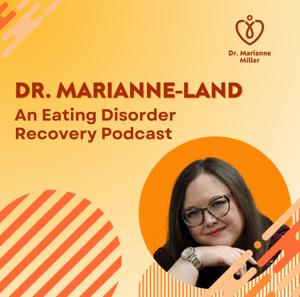

Have you ever wondered why recovery feels stuck, no matter how hard you try?
Unresolved trauma often lives in the body, shaping the nervous system and influencing how we cope, eat, and relate to ourselves. Many people discover that their eating disorder was never just about food or control—it was about safety, survival, and protection. This episode helps you understand why that makes sense and how healing is possible when both trauma and the eating disorder are addressed together.
Through compassionate storytelling and clinical insight, Dr. Marianne shares how trauma-informed therapy and body-based healing can help release long-held survival patterns. She also discusses how intersectionality, identity, and oppression influence the way trauma shows up in eating disorder recovery.
This episode is for anyone who has struggled with eating disorder symptoms that seem to linger, shift, or return over time. It will especially resonate with:
People who have been in treatment before yet still feel stuck in their eating disorders
Those who sense their eating disorder is connected to trauma, anxiety, or chronic stress
Neurodivergent individuals navigating sensory or emotional overwhelm around food
Survivors of emotional, physical, or systemic trauma seeking trauma-informed recovery
Clinicians, helpers, or loved ones who want to better understand how trauma and eating disorders overlap
If you have ever wondered why recovery feels unsafe, inconsistent, or incomplete, this episode will offer language and insight to help you make sense of your experience.
How unresolved trauma keeps eating disorder symptoms active for years or decades
Why eating disorders are often survival strategies, not failures of willpower
The role of the nervous system in trauma and long-term eating disorder recovery
How trauma-informed therapy helps create new pathways to safety and regulation
Why intersectionality matters in trauma and eating disorder treatment
Practical ways to rebuild safety, trust, and connection with your body
This episode includes discussion of trauma, eating disorders, and long-term recovery. Listen with care and pause if needed. If you are in distress, reach out to a trusted support person, therapist, or the 988 Suicide and Crisis Lifeline (U.S.) for immediate help.
If this conversation resonates with you, therapy can help you begin to heal from trauma while working toward eating disorder recovery.
She offers therapy in California, Texas, and Washington, D.C.
 View all episodes
 By mariannemillerphd
5
1212 ratings
Have you ever wondered why recovery feels stuck, no matter how hard you try?
Unresolved trauma often lives in the body, shaping the nervous system and influencing how we cope, eat, and relate to ourselves. Many people discover that their eating disorder was never just about food or control—it was about safety, survival, and protection. This episode helps you understand why that makes sense and how healing is possible when both trauma and the eating disorder are addressed together.
Through compassionate storytelling and clinical insight, Dr. Marianne shares how trauma-informed therapy and body-based healing can help release long-held survival patterns. She also discusses how intersectionality, identity, and oppression influence the way trauma shows up in eating disorder recovery.
This episode is for anyone who has struggled with eating disorder symptoms that seem to linger, shift, or return over time. It will especially resonate with:
People who have been in treatment before yet still feel stuck in their eating disorders
Those who sense their eating disorder is connected to trauma, anxiety, or chronic stress
Neurodivergent individuals navigating sensory or emotional overwhelm around food
Survivors of emotional, physical, or systemic trauma seeking trauma-informed recovery
Clinicians, helpers, or loved ones who want to better understand how trauma and eating disorders overlap
If you have ever wondered why recovery feels unsafe, inconsistent, or incomplete, this episode will offer language and insight to help you make sense of your experience.
How unresolved trauma keeps eating disorder symptoms active for years or decades
Why eating disorders are often survival strategies, not failures of willpower
The role of the nervous system in trauma and long-term eating disorder recovery
How trauma-informed therapy helps create new pathways to safety and regulation
Why intersectionality matters in trauma and eating disorder treatment
Practical ways to rebuild safety, trust, and connection with your body
This episode includes discussion of trauma, eating disorders, and long-term recovery. Listen with care and pause if needed. If you are in distress, reach out to a trusted support person, therapist, or the 988 Suicide and Crisis Lifeline (U.S.) for immediate help.
If this conversation resonates with you, therapy can help you begin to heal from trauma while working toward eating disorder recovery.
She offers therapy in California, Texas, and Washington, D.C.

7,256 Listeners

2,507 Listeners

134 Listeners
281 Listeners
48 Listeners
105 Listeners

367 Listeners

3,845 Listeners

41,572 Listeners

19,741 Listeners

154 Listeners

3,608 Listeners

21 Listeners

8 Listeners